


Delays in Disaster Recovery Funding Leave U.S. Survivors in Limbo
Survivors of severe weather-related disasters across the United States are experiencing significant delays in receiving government assistance meant for long-term recovery efforts. While the last substantial allocation of recovery funds was granted following Hurricane Milton in Florida two years ago, communities in places like Los Angeles County and St. Louis, Missouri face a daunting need for over $10 billion in long-term funding to rebuild.
Personal Stories of Struggle
One survivor, Demetrice Davis from north St. Louis, highlights the ongoing challenges he faces in the aftermath of an EF3 tornado that struck in May 2025. “The insurance didn’t cover much of anything. And FEMA just kind of backed you up for a little while, but didn’t get you back on track,” Davis shared, expressing frustration with the slow government response. “The government agencies are not really doing what they’re supposed to do.”
Funding Delays Affect Survivors Nationwide
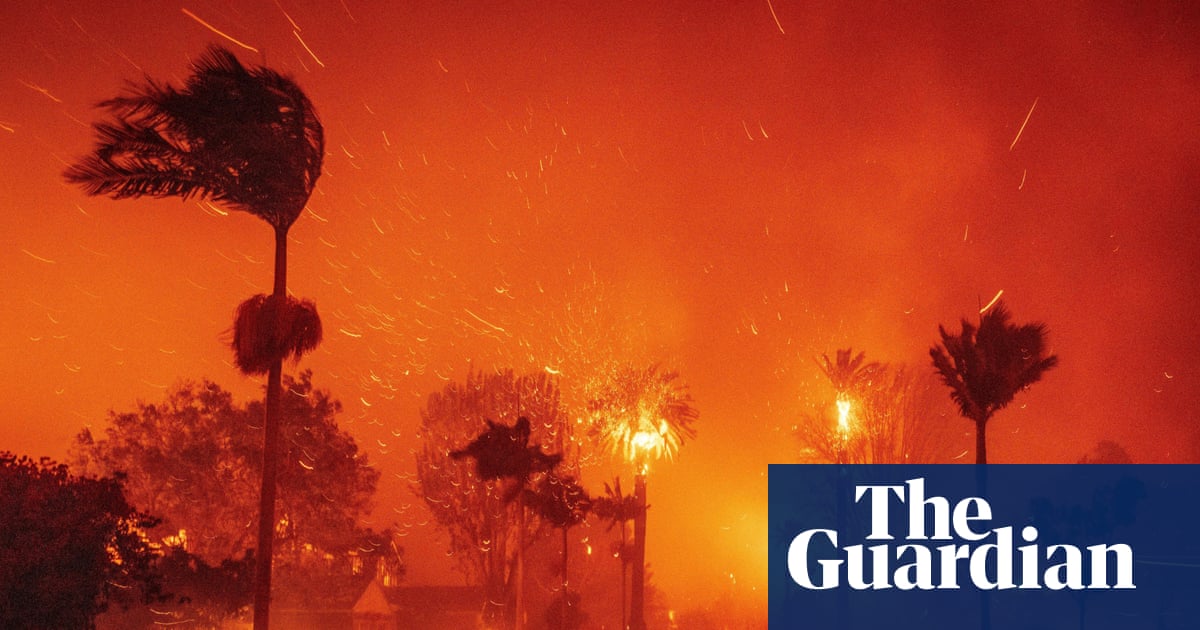
Survivors of three disasters in 2025—including tornadoes in St. Louis, flooding in Texas Hill Country, and wildfires in Los Angeles—are still awaiting long-term recovery funds from the Department of Housing and Urban Development (HUD). Traditionally, these funds are distributed through the Community Development Block Grant Disaster Recovery (CDBG-DR) program, which supports rebuilding efforts after FEMA’s emergency aid has concluded. Notably, the last CDBG-DR funding was allocated for Hurricane Milton, which hit in October 2024, with no subsequent disasters receiving assistance.
Historical Context of Funding Delays
Since its inception in 1993, over $111 billion has been appropriated for the CDBG-DR program. However, the absence of a standing fund means Congress must allocate money on a disaster-by-disaster basis, leading to lengthy delays. For example, survivors of the 2020 earthquakes in Puerto Rico waited 655 days after the disaster declaration for funding. Although CDBG-DR was codified into law for the first time in 2026, authorizing it for three years, no new funding has yet been appropriated.
A Call for Action
Survivors affected by the Los Angeles wildfires, including Sylvie Andrews, have been vocal about their plight. “It’s very disheartening to find out that your own country can’t even do what it has historically done for other survivors of disasters,” Andrews remarked, noting her motivation to become more involved in advocacy efforts. She and Davis participated in meetings with lawmakers in Washington, D.C. as part of the Rebuild: National Disaster Survivors Association initiative, pushing for increased funding.
Increasing Frequency of Disasters
Andrews pointed out a growing concern among legislators regarding disaster preparedness. “There are people in Congress who are resistant to the idea of pre-funding anything when they’re not sure there’s going to be a disaster, and the reality is there will be more disasters every year because of climate change,” she stated. “I guarantee there will be communities that need it.”
Shared Experiences of Disaster Survivors
The plight of climate disaster survivors transcends demographic and political lines, a sentiment shared by Ginny Goldman, co-founder of Rebuild. “Everyone in this country is a survivor of a disaster or will be very soon. We can all come together and build the system we all deserve,” Goldman noted.
Recent Developments in Funding
Advocacy efforts have yielded some results; following discussions with representatives, including Congresswoman Judy Chu, additional funding for the Disaster Case Management Program (DCMP) was released. “Suddenly, we saw an additional 6.6 million come our way,” said Andrews. While this was seen as a small victory, the need for substantial long-term recovery funding remains urgent.
Looking Ahead
Davis summarized the frustrations felt by many affected individuals: “As a taxpaying citizen, we are supposed to get some type of return. But it seems like that’s not happening.” As survivors continue to rally for change, the call for a more responsive disaster recovery system becomes increasingly critical. The collective aim is to ensure that communities can rebuild and recover effectively, as natural disasters become an ever-present reality.
