


US Midterm Elections: Latest Developments Ahead of November Vote
As the countdown to the United States midterm elections reaches the final four days, current national polling indicates that Democrats are holding a significant lead over Republicans. Both parties are intensifying their campaign efforts to mobilize voters.
Polling Landscape
According to RealClearPolitics, Democrats are currently favored, holding 51.4% against Republicans’ 43.2%, which marks an 8.2 percentage point lead. Charles Franklin, a law and public policy professor as well as the director of the Marquette Law School Poll, highlighted that concerns over President Donald Trump’s diminishing approval ratings and the economic challenges facing voters are creating anxiety within Republican ranks.
The recent Marquette Law School poll, which surveyed respondents in Wisconsin from October 14 to October 22, revealed that Trump’s approval rating stands at just 37%, with a disapproval rate of 61%. Notably, only 16% of those polled felt they were better off financially compared to last year, while 42% reported being worse off.
Franklin commented on the current voter sentiment: “Democrats are more enthusiastic and more certain they will vote. That is giving Democrats an important edge and reflects Republican disappointment in current national conditions.” This enthusiasm may be crucial as tight races unfold in states like Arizona and Texas, where voters are expressing growing concerns about the rising cost of living.
Examining Alaska’s Senate Race
In Alaska, a unique legal dispute has the potential to delay the outcome of a closely watched Senate race. The contest involves two candidates both named Dan Sullivan — the incumbent Republican senator and an independent candidate who is also affiliated with the Republican Party. Accusations have emerged, notably from Trump, suggesting that Democrats are behind efforts to confuse voters with the independent candidate.
Trump voiced his concerns, stating, “It was a scheme. It was an election fraud. Total election fraud.” However, Mary Peltola, a Democratic candidate, responded by insisting that this issue distracts from the real concerns of Alaskans, which center around affordability, a sentiment echoed by many voters facing financial strain.
Al Jazeera correspondent Alan Fisher highlighted the importance of this dispute, indicating that if the Senate outcome hinges on Alaska’s race, determining control of the Senate may take days or even weeks following the election.
Campaign Activity Updates
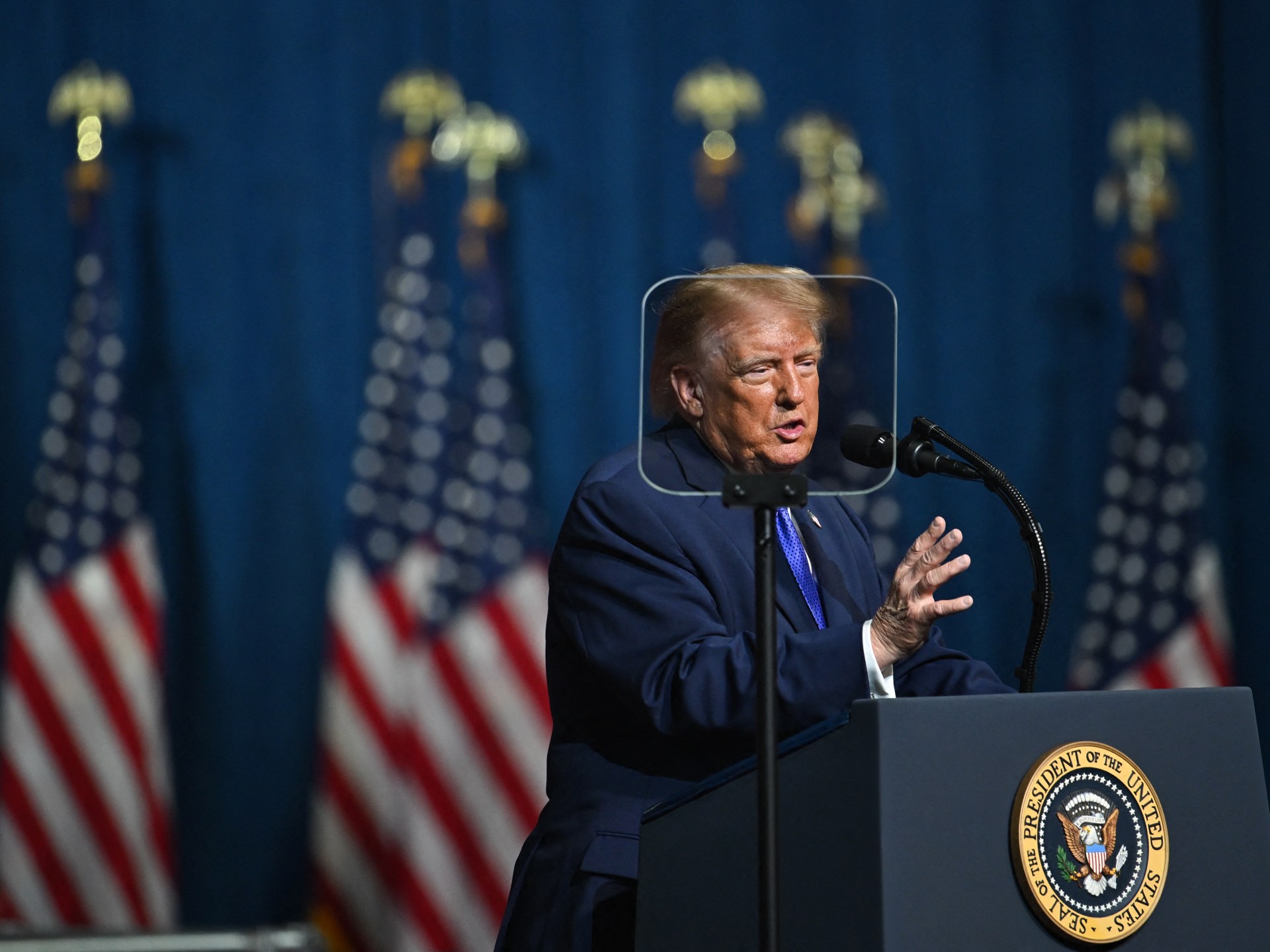
In recent campaign developments, Trump has adjusted his schedule, canceling two planned rallies in favor of conducting campaign efforts via telephone. This strategy is designed to engage with voters across nearly 20 states in the critical lead-up to the elections. Trump noted directly, “I don’t feel I have to go to Kansas,” emphasizing his belief in the effectiveness of this new approach.
Despite the cancellations, Trump is still set to host a rally in Daytona Beach, Florida, as he encourages his base not to assume the election outcome is predetermined. Meanwhile, in Texas, Vice President JD Vance rallied alongside Republican Senate candidate Ken Paxton, emphasizing the state’s resistance to changing political tides.
Attention on Key States
Significant campaigning activity is also taking place in Georgia, where former President Barack Obama has joined the fray to support Senator Jon Ossoff, criticizing Trump’s economic policies. In response, Ossoff’s Republican challenger, Mike Collins, framed Obama’s visit as a sign of desperation from Ossoff.
Democratic candidate James Talarico is making strides in Texas, polling at 49% against Republican Ken Paxton’s 43%, indicating a competitive race. In addition, Vice President Kamala Harris has been active, urging young voters to participate in local and statewide elections, underscoring the connection between voter engagement and everyday life decisions.
Looking Ahead
With election day approaching, the focus remains on maximizing voter turnout. Both parties aim to leverage every opportunity to encourage participation, as the outcomes could shape the political landscape significantly. The atmosphere is charged as candidates make final appeals to their constituents.
As the nation gears up for November 3, both election logistics and legal challenges will play pivotal roles in determining the next steps in American governance. Observers anticipate that these final days will be crucial in swaying undecided voters and mobilizing party bases.
