


Post-Election Insights: AI Safety and Data Center Regulations
Recent elections have seen a notable shift in voter priorities as data centers and artificial intelligence (AI) regulation emerge as significant issues. With 40 ballot measures approved to curb the expansion of data centers, polling indicates that these topics played a pivotal role in the decision-making process for over half of voters.
The Growing Concern Over Data Centers
Data centers, the crucial infrastructure underpinning AI technologies, face increasing scrutiny due to their environmental impact and the societal implications of rapid technological advancement. Many citizens express disapproval not only because of the physical and energy demands these facilities impose but also due to the broader fears they represent regarding the unchecked progress of AI.
Key Figures in the Movement for AI Regulation
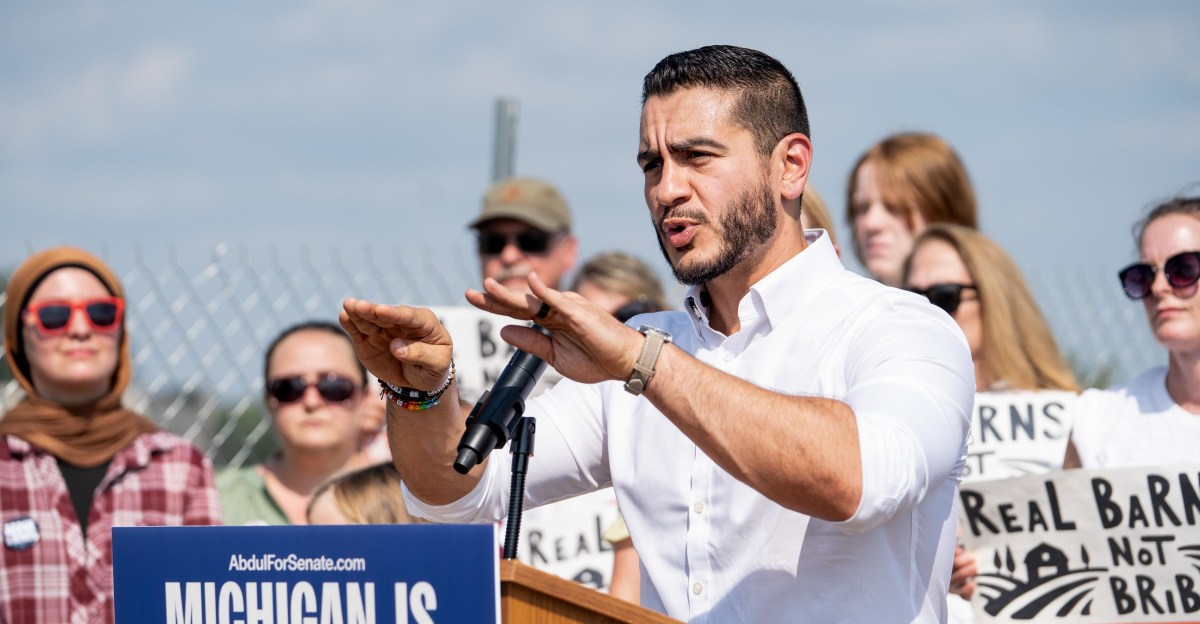
Prominent electoral candidates have raised their profiles by addressing AI safety legislation. Figures such as Abdul El-Sayed, Jon Ossoff, and Scott Wiener are now positioned to influence future policies. With Senator Maria Cantwell’s bipartisan framework already discussed, they may take the lead in shaping regulatory measures aimed at AI technologies.
Shifts in Political Sentiment
The election results highlight a growing recognition of the need to address the risks associated with AI beyond just the infrastructure challenges posed by data centers. The recent passage of numerous data center regulations is a reflection of a wider call for a serious approach to AI governance, with lawmakers prepared to address issues such as cybersecurity, workforce displacement, and even existential threats associated with advanced AI.
Mackenzie Arnold of the Institute for Law & AI notes a noticeable change in the dialogue surrounding AI. “If you go back before the summer, most conversations from policymakers around AI were at a very, very high level of abstraction… But there’s been a big shift,” Arnold stated.
Prominent Advocates for AI Safety
- Abdul El-Sayed: Elected to the Michigan Senate, he called for a pause on frontier AI research and proposed international treaties to regulate AI advancements responsibly.
- Jon Ossoff: Following his win in Georgia, he criticized AI developers for their roles in creating potentially harmful technologies, emphasizing the need for regulatory oversight.
- Scott Wiener: The California senator aims to push for robust federal safety standards concerning AI, addressing catastrophic risks associated with the technology.
- Manny Rutinel: With a background in effective altruism, Rutinel aims to prioritize AI safety to avert potential civilization-threatening developments.
- Sam Forstag and Troy Jackson: New congressional members who express strong concerns about the existential risks posed by advanced AI.
Anticipated Legislative Directions
As Democrats take power in Congress, they are expected to focus on two primary aspects of AI safety: legislative measures and investigative hearings. Senator Ed Markey has indicated that tech executives could face significant scrutiny, with hearings aimed at holding them accountable for safety lapses.
Looking ahead to 2027, experts believe there will be stronger legislative proposals addressing AI than ever before. Senator Maria Cantwell, as chair of the Senate Commerce Committee, will play a crucial role in this endeavor, advocating for mandatory safety standards and independent audits for AI technologies.
The Future of AI Regulation
Despite former President Trump’s potentially vetoing any substantial regulations, political analysts are optimistic about the prospect of bipartisan support for sensible AI oversight as the public becomes increasingly concerned about the technology’s implications. As Greg Casar of the Congressional Progressive Caucus aptly puts it, “The revolt against data centers was one of the top issues of the 2026 election… we will look back on it as just the early tremor of a much bigger AI earthquake.”
