


Understanding Common Respiratory Viruses This Fall
This fall, individuals may find themselves experiencing typical cold symptoms such as a sore throat, stuffy nose, or persistent cough. While many might initially suspect COVID-19 or influenza, an array of other respiratory viruses is also prevalent.
Common Respiratory Viruses in Circulation
Physicians from the Pittsburgh area have noted that differentiating these respiratory viruses can be challenging due to overlapping symptoms. Dr. Brian Lamb, a primary care physician with Allegheny Health Network, emphasized, “So many of these viruses’ symptoms can overlap.”
Both Dr. Lamb and Dr. Graham Snyder, an infectious disease specialist at UPMC, highlighted that the primary respiratory illnesses seen currently include COVID-19, influenza, and respiratory syncytial virus (RSV).
Current Statistics
Recent data from Allegheny County reveal 791 cases of influenza, 311 cases of COVID-19, and 27 cases of RSV from October 4 to November 2, indicating a rise in hospitalizations across these illnesses.
Testing and Diagnosis Considerations
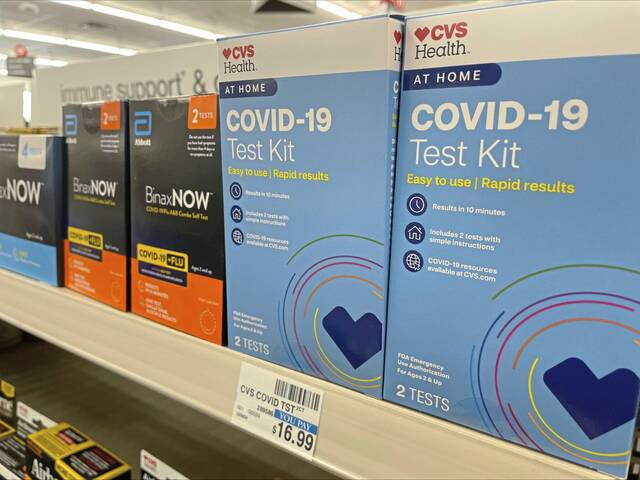
Although tests for various respiratory viruses do exist, doctors often advise against widespread testing. Dr. Snyder noted, “If you go to your doctor and your doctor does the test for all the respiratory viruses … patients can sometimes get a three-figure bill or more.” Thus, testing for all viruses simultaneously is typically not recommended.
Types of Respiratory Viruses
This season, several specific viruses associated with cold-like symptoms are circulating:
- Human Parainfluenza Viruses (HPIVs): Common respiratory viruses that can lead to mild symptoms. Young children and those with weakened immune systems are particularly susceptible to severe issues. Notably, HPIV-1 and HPIV-2 are leading causes of croup in young children, while HPIV-3 has a stronger association with bronchitis and pneumonia.
- Coronaviruses: Different from COVID-19 but originating from the same family, these viruses account for around 20-30% of common cold instances. Dr. Lamb pointed out that less severe, mutated forms of coronaviruses have evolved to maintain transmission without severe impact on hosts.
- Rhinoviruses and Adenoviruses: Both can result in typical cold symptoms such as congestion and cough. Adenoviruses have additional associations, including pink eye and pneumonia.
Recommended Care Practices
For those experiencing respiratory symptoms, both doctors recommend the following self-care measures:
- Self-isolate and rest.
- Stay well-hydrated.
- Practice good hygiene, including frequent hand washing.
- Disinfect surfaces regularly.
- Utilize over-the-counter medications such as Tylenol, cough syrups, and antihistamines as needed.
Individuals with severe symptoms or those at higher risk for complications should consult their healthcare provider regarding testing and potential treatment options. Dr. Snyder advises, “If you’re somebody who is at risk of complications, talk with your doctor when you feel sick.”
Conclusion
In conclusion, for many people, the particular virus type matters less than ensuring proper home care. Dr. Lamb succinctly stated, “In the long run if you’re not having severe symptoms, it really doesn’t matter what you have.” The focus should remain on recuperating at home and avoiding contact with others to help curb the spread of these respiratory illnesses.
