


California’s Proposed Billionaire Tax Fails: Analyzing the Outcome
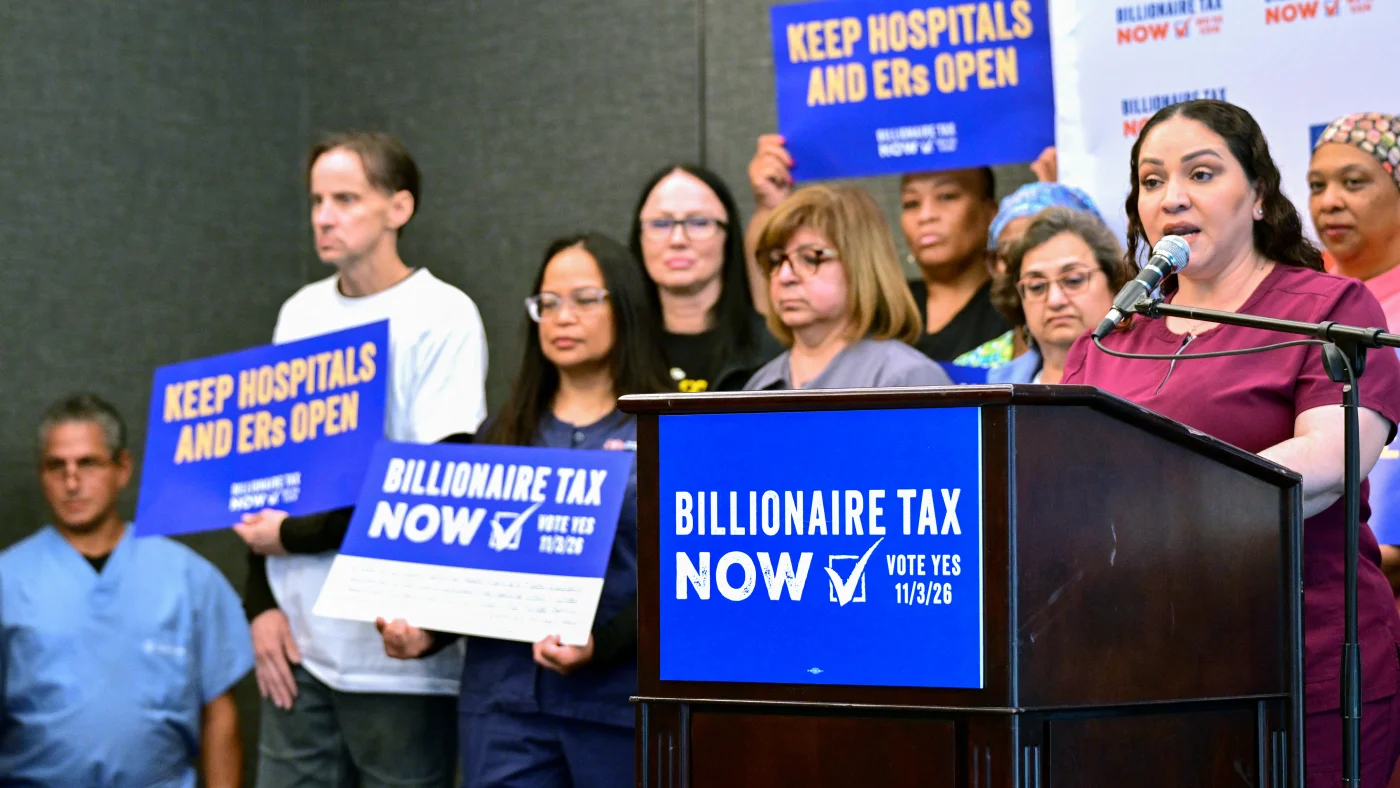
In a recent decision, California voters rejected Proposition 40, a proposed tax targeting the state’s billionaires. This initiative aimed to impose a one-time 5% tax on the wealth of California billionaires, yet it failed to gain the necessary support despite a significant political landscape characterized by a Democratic wave in the midterms.
The Role of Funding
Economist Gabriel Zucman from UC Berkeley has highlighted the impact of substantial financial backing from opponents of the tax, noting that nearly $400 million was spent by these detractors. Zucman remarked, “The money spent by the billionaires was critical. Anyone who lives in California has been carpet-bombed by a deluge of ads.” This advertising blitz presented predominantly anti-tax narratives, which some believe swayed voter sentiment more effectively than in individual candidate races.
Zucman points out that the spending disparity was particularly pronounced in this initiative, leading to a situation where voters received limited exposure to supportive arguments for the tax, unlike in other electoral battles across the nation.
Complexity of Ballot Initiatives
California’s system for ballot initiatives poses unique challenges, as voters may struggle to fully understand complex policy details. The lack of clear partisan signals, particularly given opposition from prominent Democrats like Governor Gavin Newsom, further complicated matters. Newsom has advocated for a national approach to wealth taxation, rather than a state-level initiative.
Public Sentiment Towards Wealth Taxation
In contrast, economist Joshua Rauh from Stanford University expresses skepticism regarding the proposition’s rejection being primarily due to financial spending. He noted disparities in voting behavior, particularly in more progressive regions like the Bay Area, where support for the tax was noticeably weaker compared to backing for major Democratic figures such as Kamala Harris. Rauh remarked, “Proximity to the people being taxed…made voters more skeptical of the tax relative to their baseline politics.”
Rauh further emphasizes that the California electorate might not yet be ready to embrace the concept of a wealth tax, despite its progressive reputation.
Issues with Specific Provisions
Another factor potentially influencing the outcome was the structure of the tax itself. Critics highlighted that Proposition 40 earmarked a significant portion of its revenue—90%—for healthcare, while leaving only 10% for education and food assistance. This allocation disproportionally affected traditional supporters of the Democratic platform, like the California Teachers Association, which argued that the tax would undermine sustainable funding for public schools.
Furthermore, the focus on a state-level tax drew concern regarding its effectiveness compared to national proposals, as many wealth tax advocates argue that a federally administered tax would be more challenging to evade.
Future of Wealth Tax Advocacy
As the political discourse surrounding wealth taxation continues, Zucman remains optimistic about the movement’s prospects, stating, “With the blue wave nationally, the billionaire tax is going to be front and center in the new Congress.” Yet Rauh cautions that the likelihood of seeing significant wealth tax legislation enacted is low, particularly with a Republican president in office. He posited, “It will be the 2028 election that will really demonstrate the extent to which the public wants wealth taxation.”
The potential legal challenges surrounding federal wealth tax proposals remain a critical concern. Legal scholars debate whether a federal wealth tax would meet constitutional requirements, given the historical context of direct taxes in the United States.
