


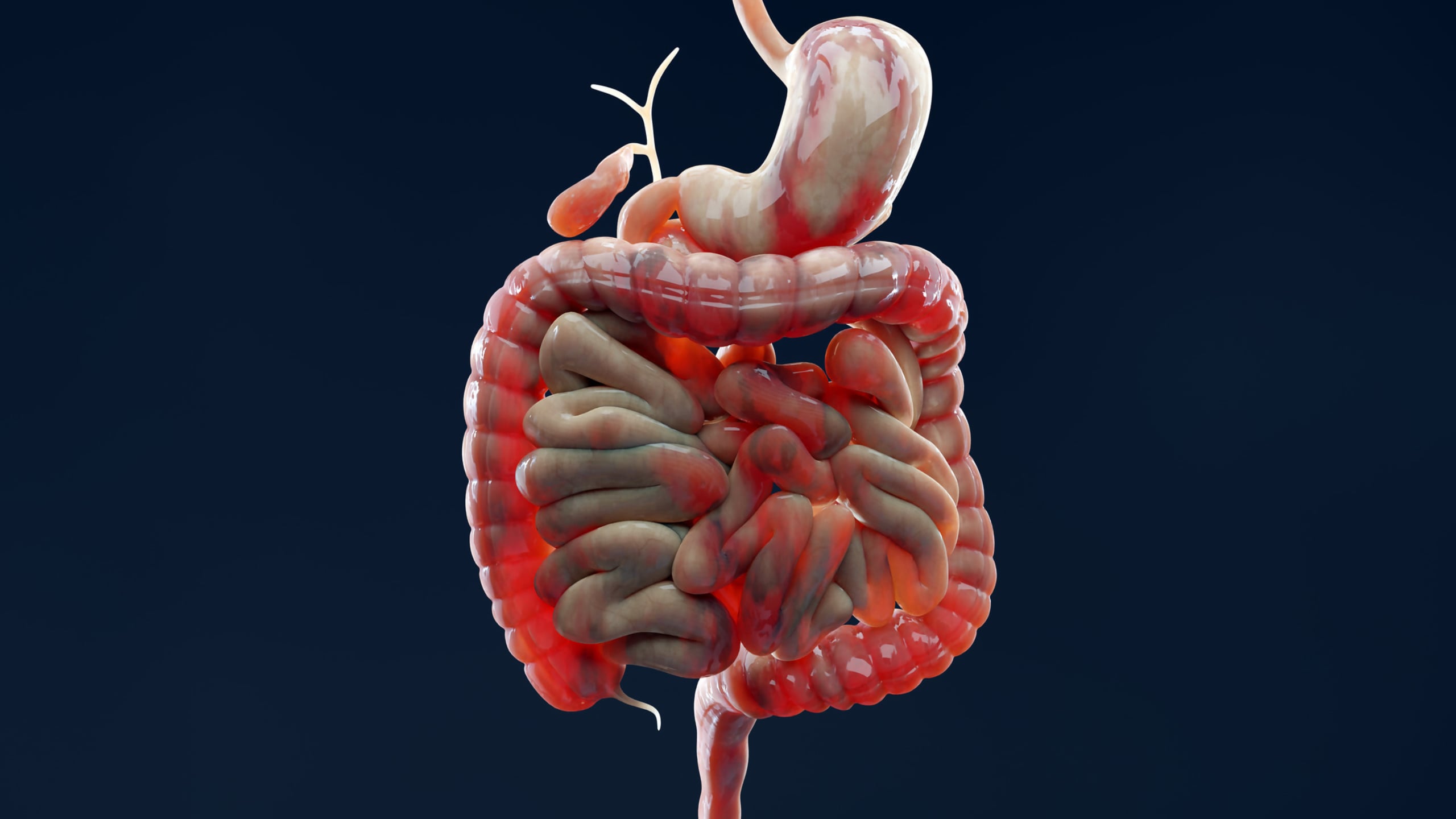
New Insights into Inflammatory Bowel Disease: Understanding Disease Flares
Inflammatory bowel disease (IBD), a term that encompasses conditions such as Crohn’s disease and ulcerative colitis, is characterized by chronic inflammation of the digestive tract. While effective treatments can bring the disease into periods of remission, patients often experience unexpected flares, highlighting a complex underlying dynamic of the disease.
The Fragility of Recovery
Recent studies indicate that even in remission, intestinal cells may maintain a fragile state, suggesting that patients are still at risk for flare-ups. This observation was made after researchers analyzed over 900 intestinal biopsies from 80 individuals, both with and without IBD, revealing signs of abnormal cell death even in controlled cases.
Understanding Flares in IBD
The main types of IBD—Crohn’s disease and ulcerative colitis—not only entail remission phases but also recurring episodes of intense symptoms such as abdominal pain and diarrhea. According to Britt Christensen, a gastroenterologist and head of the Inflammatory Bowel Disease Unit at the Royal Melbourne Hospital, “the bowel may still carry a vulnerability that is not apparent from symptoms alone.”
Research Findings
The study, conducted by researchers at the Walter and Eliza Hall Institute in Australia, particularly focused on the intestinal lining, a vital barrier that incessantly regenerates itself. This examination looked at whether findings in the tissue samples correlated with future disease flares.
- Out of 52 patients with IBD, 30 provided follow-up data over two to three years.
- Sixteen individuals experienced flares requiring a change or intensification of their treatment.
- Comparisons showed that those who later relapsed had elevated levels of specific cell-death signaling markers.
- Patients experiencing relapses also exhibited increased initial microscopic inflammation levels.
While these findings suggest interesting patterns, Christensen warns that the results are still considered preliminary and further studies are needed. The distinguishing markers identified in this research have not yet been validated as reliable indicators for predicting disease relapses.
Implications for Treatment
These insights shed light on the ongoing challenges faced by patients with IBD, particularly during remission. Understanding the fragility of the intestinal lining may lead to new approaches in treatment. Christensen stated, “Protecting the lining and its ability to regenerate could therefore complement treatments that control inflammation.”
Nonetheless, she emphasized that the pathways related to cell death are crucial for removing damaged or potentially harmful cells within the body. There remains uncertainty whether manipulating these pathways could effectively prevent future flares.
Future Directions
The ultimate goal remains “molecular healing,” a concept that addresses cellular vulnerabilities beneath the surface of visible recovery. While the potential exists for more effective long-term relief for patients, further testing is essential to confirm these promising findings.
The research discussed has been published in the journal Science.
Conclusion
Understanding the mechanisms behind IBD flares continues to be crucial as researchers strive for better ways to manage and possibly predict these episodes. Stay tuned for advancements in this essential area of medical research.
This article was fact-checked by Rebecca Dyer, ensuring accuracy in the reporting of scientific findings and interpretations.
