Close Menu
Newsward
  • World
  • US
    • Politics
  • Tech
    • Science/Tech
  • Money
    • Business and Market Watch
    • Crypto
    • Career
  • Health
    • Fitness
  • State of Women
  • Opinion
  • Sports
    • NFL
    • MLB

Subscribe to Updates

Get the latest creative news from FooBar about art, design and business.

What's Hot

Show us your clutter, and we’ll tell you which generation you come from – The Washington Post

October 18, 2026

2026 Midterm Elections: Trump Rallies Republicans

October 18, 2026

Bitcoin Futures Open Interest Slips To $7.68 Billion As Traders Keep Funding Positive — TradingView News

October 18, 2026
Newsward
  • World
  • US
    • Politics
  • Tech
    • Science/Tech
  • Money
    • Business and Market Watch
    • Crypto
    • Career
  • Health
    • Fitness
  • State of Women
  • Opinion
  • Sports
    • NFL
    • MLB
Subscribe
Newsward
Home » Women’s health costs peak where employer plans look least
Health/Wellness

Women’s health costs peak where employer plans look least

Newsward™By Newsward™September 29, 2026No Comments3 Mins Read
Facebook Twitter Pinterest LinkedIn Tumblr WhatsApp VKontakte Email
Share
Facebook Twitter LinkedIn Pinterest Email

Understanding Women’s Health Costs: A Focus on Post-Menopausal Risks
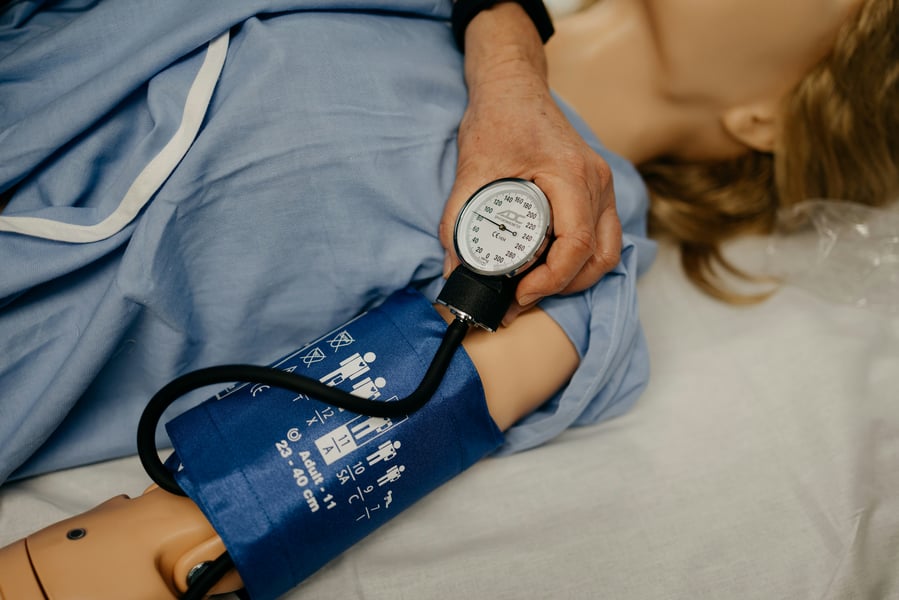
Women's health costs peak where employer plans look least

As the U.S. healthcare landscape evolves, women are projected to represent about 56% of total healthcare spending by the year 2030. A Deloitte analysis estimates an additional $527 billion in spending on women’s health, highlighting the urgent need for a shift toward early detection and preventive care.

Traditionally, women’s health coverage in employer plans focused on maternity and reproductive services; however, the significant health issues that arise later in life, such as cardiovascular disease, musculoskeletal disorders, and autoimmune conditions, often receive inadequate attention. These conditions not only develop over decades but also intensify during and after the menopausal transition.

Emerging Cardiovascular Risks in Women’s Health

In the United States, heart disease affects around 60 million women, accounting for approximately 20% of female deaths as reported by the Centers for Disease Control and Prevention (CDC). The American Heart Association indicates that cardiovascular risk develops differently in women, accelerating during menopause due to declining estrogen levels, which negatively impact both metabolic and vascular functions.

Moreover, conditions such as hypertensive disorders during pregnancy, including preeclampsia, pose a long-term risk for heart disease. Symptoms of heart attacks can also be atypical in women, often leading to delayed diagnoses.

The introduction of sex-specific diagnostics, like AI-enhanced cardiovascular imaging and predictive blood-based biomarkers, is encouraging. However, many employer health plans may lag in updating their coverage, still relying on outdated assumptions rather than recent medical advancements.

Musculoskeletal Disorders and Their Cost Implications

Musculoskeletal and autoimmune disorders represent significant health concerns, especially for women over 50. It is estimated that 27.3 million women experience osteopenia, and more than one in three women in this age bracket are at risk of an osteoporotic fracture. Rheumatoid arthritis affects women at a lifetime risk of 3.6%, and it has been found to increase the risk of cardiovascular complications significantly.

As such, the financial burden traditionally focuses on acute care, such as treating fractures or performing surgeries, rather than early detection and preventive care that could mitigate these risks. For instance, new FDA-approved tools now enable routine screening for low bone density in patients over 50 through hip X-rays, but the follow-up care following a positive diagnosis may not always be covered by employer plans.

Current Landscape of Employer-Sponsored Benefits

Currently, employer-sponsored insurance covers around 59.7 million women aged 19 to 64, corresponding to approximately 60% of women in this demographic. Recent surveys reveal that 58% of employers intend to enhance preventive health measures for women by 2026, with menopause-specific programs increasing notably over recent years.

Despite this movement toward better care practices, the pace remains inconsistent, particularly among small- to mid-sized employers compared to larger organizations. The health transitions faced by women, particularly those occurring post-menopause, can have implications across a broad workforce, necessitating a universal approach rather than targeting only those businesses actively prioritizing women’s health.

With anticipated health benefit costs projected to rise by 8.2% in 2027—the largest hike in 24 years—employers are increasingly focused on cost management strategies. However, evidence suggests that investing in preventive care can yield long-term savings by reducing the incidence of costly cardiovascular issues and bone-related fractures. Coverage decisions during upcoming plan renewals could determine how effectively this evidence translates into practice.

Share. Facebook Twitter Pinterest LinkedIn Tumblr WhatsApp Email
Previous ArticleCoach Michaela Bentley, 60, shares the 8 crucial midlife fitness lessons she wishes she’d known sooner
Next Article Spain announces ban on evictions after protests over 87-year-old woman's eviction – BBC
Newsward™
Newsward™

Related Posts

Do you know this feline? ‘Sociable’ cat tests positive for rabies in Prince William County – WTOP News

October 18, 2026

Studies show people who ‘ghost’ are worse off than victims

October 17, 2026

U of A cancer researcher dies of disease she fought to cure

October 17, 2026

Page Unavailable – ABC News

October 16, 2026

Top Articles

Bill Maher, 70, Defends Trump Comments About Bombing L.A.

October 11, 2026

Senate ratings change: Kansas and Minnesota tighten

October 13, 2026

Scientists discover genetic code that breaks rules of life

October 13, 2026

4 mental tricks to help you remember things you tend to forget

October 11, 2026

Don't Miss

Technology

Show us your clutter, and we’ll tell you which generation you come from – The Washington Post

By October 18, 20260

Personal Clutter: A Reflection of Generational Influences Understanding the nuances of personal belongings can reveal…

2026 Midterm Elections: Trump Rallies Republicans

October 18, 2026

Bitcoin Futures Open Interest Slips To $7.68 Billion As Traders Keep Funding Positive — TradingView News

October 18, 2026

College Football Rankings: Historic Upset-Filled Week 7 Flips Top 25 Upside Down

October 18, 2026

Subscribe to Updates

Subscribe to our newsletter and stay updated with the latest news and exclusive offers.

About Us
About Us

NEWSWARD is an independent news and media company covering the economy, politics, international affairs, and a changing world. Through articles, podcasts, video, and candid conversations, we connect major events to their impact on your life, your livelihood, and your future.

Our purpose is simple: help you understand what matters, think critically, and make informed decisions.

See what’s happening now. Know what’s next.

Don't Miss

Show us your clutter, and we’ll tell you which generation you come from – The Washington Post

October 18, 2026

2026 Midterm Elections: Trump Rallies Republicans

October 18, 2026

Bitcoin Futures Open Interest Slips To $7.68 Billion As Traders Keep Funding Positive — TradingView News

October 18, 2026
Most Viewed

Bill Maher, 70, Defends Trump Comments About Bombing L.A.

October 11, 2026

Senate ratings change: Kansas and Minnesota tighten

October 13, 2026

Scientists discover genetic code that breaks rules of life

October 13, 2026
  • About Us
  • Contact Us
  • Privacy Policy
  • Terms and Conditions
  • Disclaimer
© 2026 Newsward. All Rights Reserved.

Type above and press Enter to search. Press Esc to cancel.