


The Impact of XRP Ledger Adoption on XRP Demand
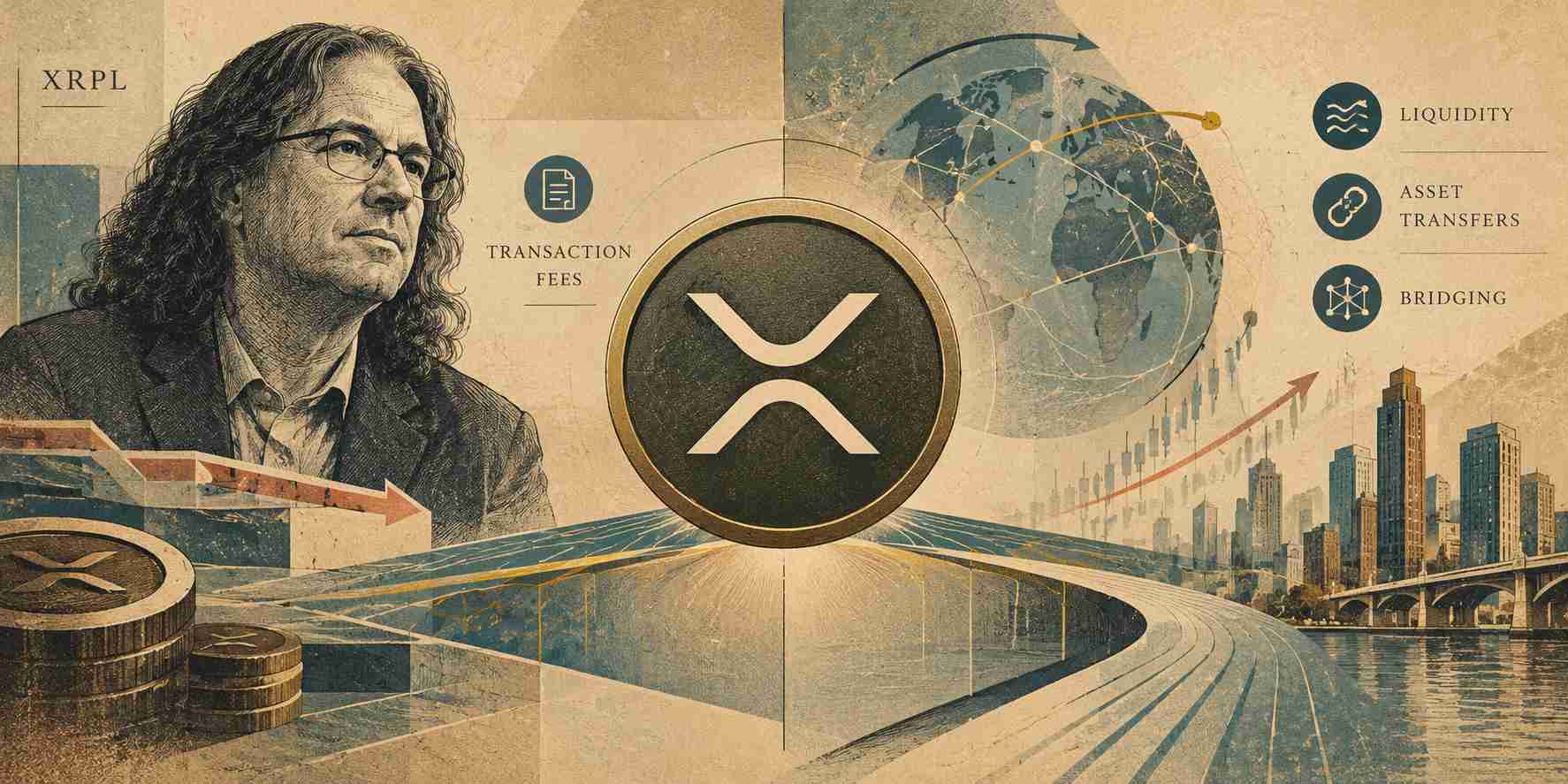
In a recent discourse, David Schwartz, the CTO Emeritus of Ripple, highlighted the potential advantages of XRP amid the expanding adoption of the XRP Ledger (XRPL). His insights focus on how XRPL’s functionality in transaction processing and liquidity could enhance XRP’s market demand.
Understanding the Core Advantages of XRPL
Schwartz emphasized that XRPL’s low transaction fees and robust operational reliability position it as an attractive platform for financial activities. He posited that as more transactions migrate to XRPL, XRP stands to capture some of the value generated from this increased activity.
XRP’s Unique Position on XRPL
As the native asset of XRPL, XRP possesses a distinct advantage over issued currencies or tokens, as it does not require a third party for transfers between accounts. This facilitates XRP’s utility as an intermediary for trading among various assets on the ledger.
The network features a decentralized exchange that supports auto-bridging, allowing trades to occur through XRP if it proves more economically beneficial than direct exchanges.
Functional Requirements and Market Price Dynamics
Transactions on XRPL mandate the use of XRP for fees, while a reserved balance of the token is necessary for specific operations. Although transaction fees are generally minor and can often be viewed as a deterrent against spam on the network, their actual influence on XRP’s market price remains uncertain. The relationship between functionality and price is complex; increased usage does not inherently lead to elevated prices if users primarily engage with alternative assets.
Link Between XRPL Adoption and XRP Value
Schwartz argues that robust adoption of XRPL in financial applications is unlikely to succeed without significant demand for XRP. “I think a world where XRPL is highly successful in financial applications, but XRP does not have high demand and value is very unlikely,” he noted. His perspective underscores the interconnectedness of network activity and XRP’s valuation, even when they may appear distinct.
Potential Demand Drivers for XRP
Two key factors influencing XRP’s demand as XRPL proliferates include:
- Transaction Fees and Reserve Requirements: Users are required to hold XRP to pay for transaction fees and to meet ledger reserve criteria, generating a functional demand.
- Liquidity via Auto-Bridging: XRP can facilitate trading between otherwise disconnected markets by routing trades through itself when it offers a more favorable exchange rate.
The effectiveness of these demand channels will eventually be shaped by actual usage patterns, liquidity conditions, and trading volumes.
Debate on the Effect of XRP Burns
Another aspect discussed was the impact of burning transaction fees on XRP’s market value. Some community members indicated that the burning mechanism primarily serves to prevent network spam rather than directly boosting XRP’s price. While burning reduces the supply, its effect on market prices depends heavily on demand.
XRP’s Role Amidst Bitcoin Dominance
Schwartz further noted that XRP can maintain a useful function even if Bitcoin continues to dominate as a settlement asset. By facilitating interactions between different assets on XRPL, XRP remains pivotal without needing to replace Bitcoin.
Insights on XRPL’s Built-In Exchange Capabilities
Validators on XRPL, such as Vet, have pointed out that the network’s decentralized exchange underpins its financial infrastructure. The presence of various assets, including Ripple USD (RLUSD), could potentially amplify trading opportunities within XRPL, although the direct impact on XRP demand will depend on how effectively these assets connect with trading activities.
Conclusion: Utility-Based Case for XRP
Schwartz’s articulations present a compelling case for XRP rooted in its utility for transaction processing and liquidity provision, rather than solely relying on the burning of tokens. The auto-bridging feature illustrates XRP’s capacity to connect diverse markets, highlighting its viability as a critical asset within XRPL.
Ultimately, while the expansion of XRPL may indicate a potential increase in XRP’s demand, this growth must manifest in measurable usage and liquidity for the token’s market value to appreciate.
