


World ID and Its Role in Zoom Security Amid Deepfake Concerns
World, the biometric identity initiative co-founded by Sam Altman, CEO of OpenAI, has introduced a novel solution for Zoom users looking to verify their identities during video calls. This new feature seeks to combat the rising concern over deepfakes by ensuring that participants can confirm their human presence through biometric data.
Launching World ID for Zoom
World ID became accessible to enterprise customers of Zoom starting last Sunday. The organization lists several prominent initial design partners, including Bain Capital, OpenExchange, Outtake, Pantera Capital, and VanEck Funds. Earlier in 2025, Bain Capital’s crypto arm acquired WLD tokens in a significant token sale worth $135 million, while Pantera Capital participated in another sizable sale amounting to $52.5 million in July of the same year.
Biometric Verification with the Orb
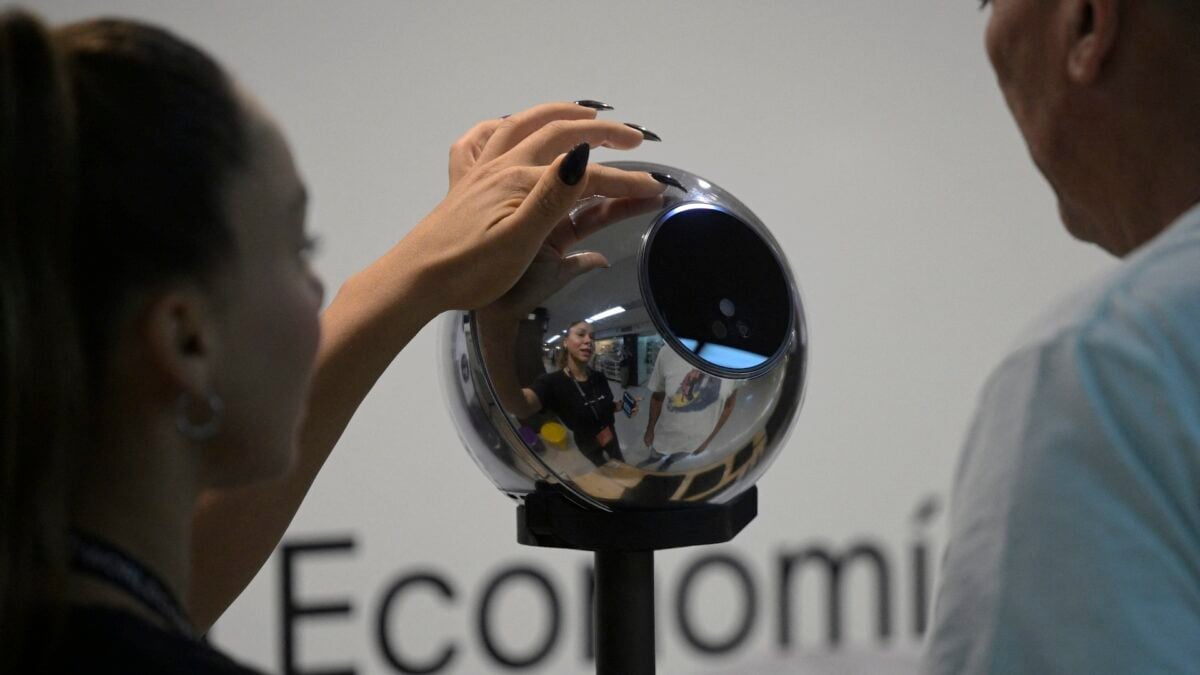
The technology hinges on the Orb, a device designed to photograph a user’s face and irises to generate a unique World ID. Initially branded as Worldcoin, the project aimed to distribute cryptocurrency in exchange for biometric scans. However, as of now, the discourse has shifted towards World ID as a tool to counter perceived threats posed by automation and artificial intelligence in the digital landscape.
World’s parent company, Tools for Humanity, emphasizes using the Orb to engender trust in online interactions, particularly in sectors vulnerable to impersonation fraud.
Mechanics of World ID for Zoom
The verification process involves a “3-way match” system that checks consistency among three images: one captured by the Orb, a live selfie from the World ID app, and video frames from the Zoom call. The integration of World’s Face Auth feature allows users to authenticate themselves using a pre-captured image stored securely on their devices, maintaining individual privacy throughout the process. Upon successful verification, a ‘Human’ badge appears next to the participant’s name, signaling their authenticity to other call attendees.
Industry Adoption and Response
The initiative to integrate biometric verification in workplace video conferencing arose from enhanced security needs, particularly observed after incidents of extensive impersonation utilizing AI technology. Companies such as Bain Capital and VanEck Funds are reportedly considering deploying Orbs in their offices to facilitate biometric scans for employees yet to enroll in the system.
Privacy Concerns and Legal Challenges
Despite promising technological advancements, World has faced significant scrutiny regarding data privacy and the ethical implications of biometric data collection. Various international regulatory bodies have raised concerns over user consent and the potential misuse of biometric information. In countries such as Kenya and the Philippines, legal actions have prompted World to cease operations, deeming consent inadequate when tied to monetary compensation.
Counteracting Misuse and Safeguarding Integrity
Efforts to curtail potential abuses within the World ID system include measures like Face Auth, designed to ensure that biometric data cannot easily be exploited in unauthorized contexts. However, it remains to be seen how effective these safeguards will be in a growing marketplace of digital identities, particularly against a backdrop of a growing black market for verified accounts.
The Outlook for Biometric Verification
The implementation of biometric tools such as World ID within corporate settings marks a pivotal moment in the evolution of digital identity verification. While the technology aims to resolve long-standing issues around identity misrepresentation, the ethical complexities and public hesitance associated with the collection of sensitive biometric data still loom large. As organizations begin to evaluate these innovations, the discourse surrounding privacy will undoubtedly shape the future landscape of remote interactions.
