


The Surprising Influence of Young Voters in Recent Elections
Democrats’ Stronghold Among Young Voters
In a remarkable turn of events during the recent elections, Democrats achieved a significant victory with young voters, specifically those from Generation Z, who are defined as individuals under 30 years of age. They supported Democratic candidates by an overwhelming margin of nearly 50 percentage points according to exit polling data.
This shift starkly contrasts the trends observed in 2024 when younger voters leaned toward the Republican party, influenced by former President Donald Trump’s promises aimed at improving their economic situations.
Key Victories Attributable to Young Voter Engagement
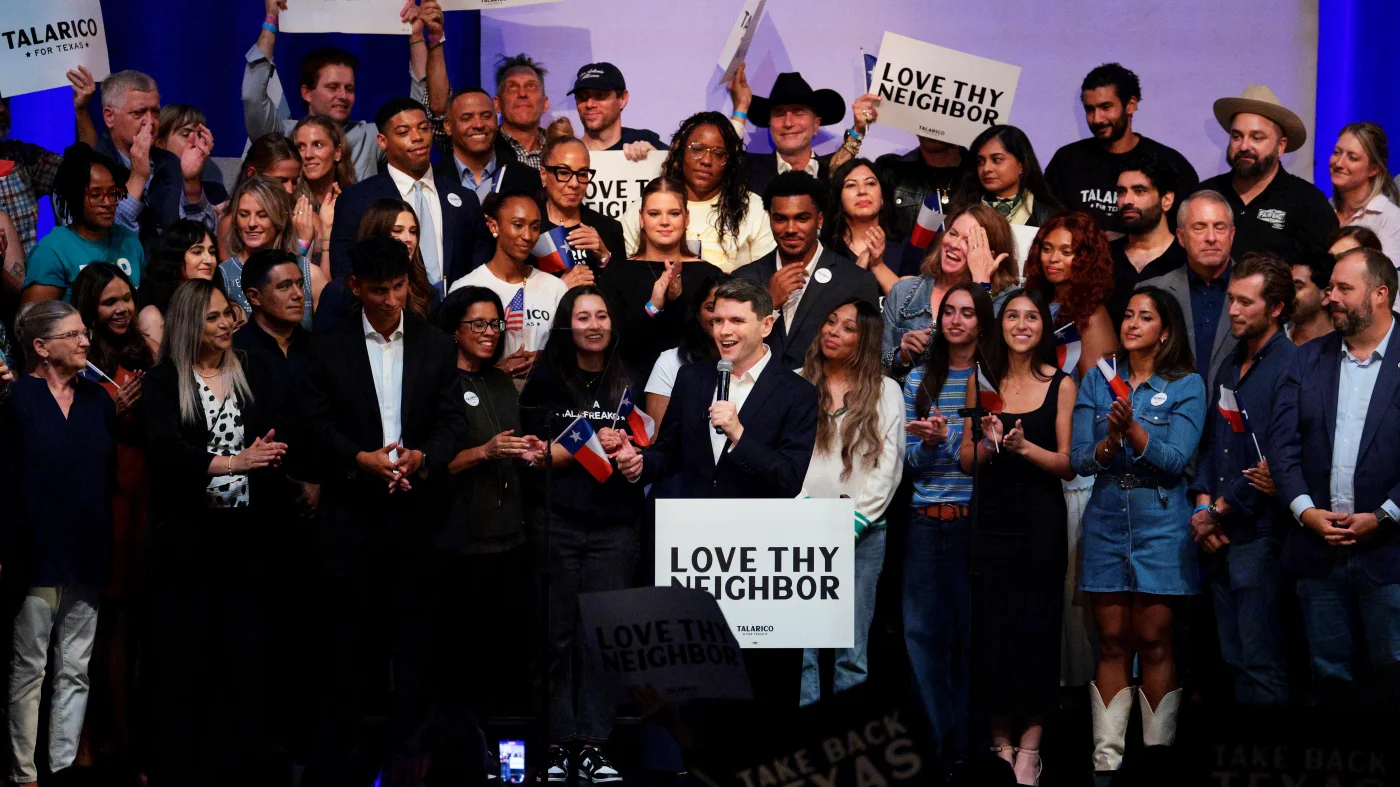
While young Americans aged 18 to 29 have traditionally participated in elections at lower rates compared to older demographics, they represented about 11% of the total electorate this past Tuesday. Their enthusiasm notably influenced critical races, including the Texas Senate contest.
Democrat James Talarico, for instance, won the Texas Senate seat by a margin of 12 percentage points overall. However, his support among Gen Z voters soared to an impressive 60-point difference.
Factors Behind the Shift
Political analysts suggest that Democrats’ selection of candidates resonated well with young voters, generating increased enthusiasm. Additionally, a growing disenchantment with Donald Trump has played a substantial role in this shift. Many young voters expressed dissatisfaction with the former president’s failure to fulfill key campaign promises, such as reducing economic burdens and maintaining peace.
Economic concerns dominated the minds of voters aged 18-29, with 43% identifying it as their primary issue. Exit polls indicate that over 80% of respondents believe Trump’s policies have negatively affected economic conditions for their demographic.
The Reversal of Support
Initial analyses from CIRCLE suggest that approximately 15% of young voters who supported Trump in the previous election shifted their allegiance to Democratic candidates this time around. Particularly, young white men and Latino men, demographics that previously supported Republican candidates, voted for Democrats by significant margins.
Furthermore, Democrats narrowed the voting gaps with young rural voters and individuals without college degrees. While some young Trump supporters may have opted to abstain from the election altogether, the exact impact of this factor remains unclear.
Age and Voting Trends
These midterm results highlight a crucial aspect of contemporary politics: no single party can claim absolute loyalty from Gen Z. As noted by John Della Volpe, a pollster focused on youth voting behavior, it is vital for both major parties to engage with this group actively.
Recent surveys indicated a significant enthusiasm gap, with half of young Democrats reporting a strong intention to vote, compared to only a third of Republicans and less than a quarter of Independents.
Future Elections and the Young Voter Demographic
Looking ahead, projections suggest that by 2028, Gen Z and millennial voters will account for more than half of the electorate. This demographic shift signifies major challenges and opportunities for both the Democratic and Republican parties.
According to Elizabeth Matto, director of the Center for Youth Political Participation at Rutgers University, young adults have the capacity to influence electoral outcomes significantly, emphasizing their importance as a voting bloc that requires attention.
