


Haley Stevens’ Endorsement of Mike Rogers Sparks Democratic Controversy
Overview of the Situation
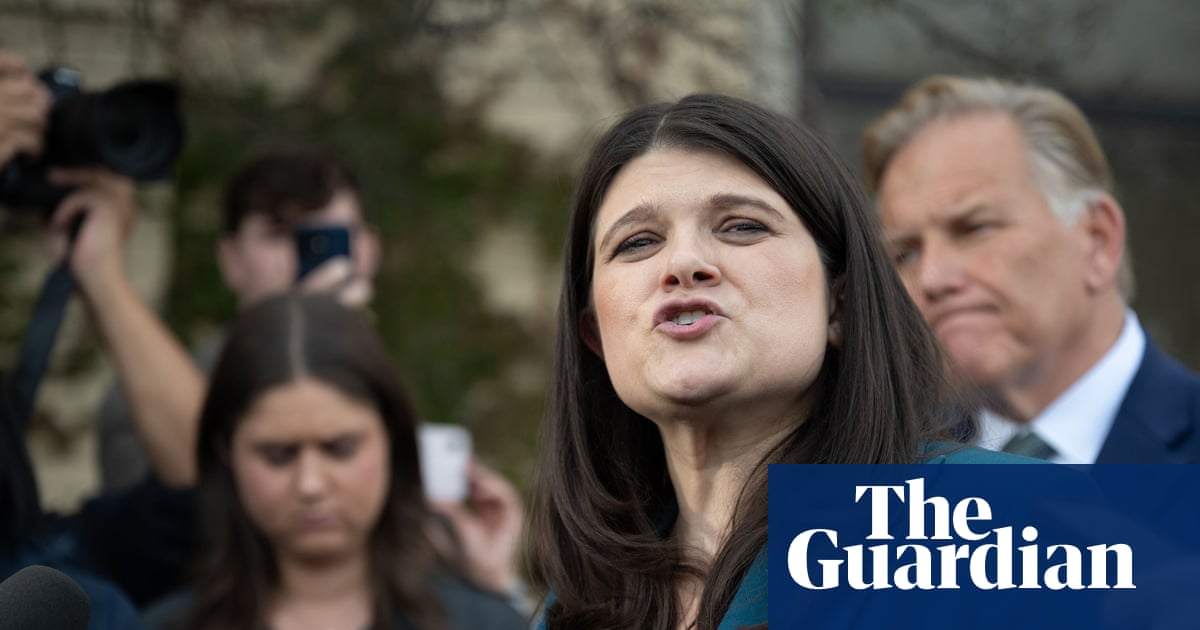
In a surprising turn of events, Haley Stevens, a Michigan Democrat who recently lost her bid in the Senate Democratic primary to Abdul El-Sayed, publicly endorsed Republican candidate Mike Rogers. This unexpected endorsement has triggered a significant backlash from fellow party members.
The endorsement follows a contentious disagreement between Stevens and El-Sayed’s campaign, primarily over an advertisement by an external group that linked high living costs to U.S. support for Israel. Stevens had previously expressed her willingness to attend a campaign event for El-Sayed if he rejected the controversial advertisement, but the El-Sayed campaign subsequently did not allow her to participate.
Reactions from Prominent Democrats
Following Stevens’ endorsement, notable figures within the Democratic Party voiced their disapproval. Senate Minority Leader Chuck Schumer condemned the decision as a “despicable betrayal,” emphasizing the party’s commitment to supporting El-Sayed, whom he characterized as a champion for working families in Michigan.
“Senate Democrats are united in our support for Abdul El-Sayed, because we know he will fight for the economic interests of working families in Michigan, unlike Mike Rogers, who is a tool of Donald Trump and billionaire donors,” Schumer stated on social media.
Similarly, California Representative Nancy Pelosi criticized Stevens for what she termed a “dangerous betrayal” of Michigan families’ healthcare and freedoms. New York Mayor Zohran Mamdani echoed this sentiment, asserting that Stevens had abandoned working-class individuals by endorsing the Republican candidate.
Internal Party Responses
The Michigan Democratic Party’s chair, Curtis Hertel, remarked that Stevens was no longer considered a party member and criticized her decision as contrary to her long-standing advocacy efforts.
“Obviously there are sour grapes from the election, but there is no reasonable explanation for this. I know what she has fought for in her career, and this is the antithesis of all of that,” Hertel commented.
Moreover, Democratic Representative Debbie Dingell highlighted that the concerns of Michigan residents revolved around issues such as the cost of living and housing, rather than Stevens seeking attention through her endorsement.
Responses to the Controversial Advertisement
While some Democrats and Jewish leaders criticized the advertisement associated with El-Sayed’s campaign, others, including congressional candidates Brad Lander and Daniel Bliss, released statements in favor of El-Sayed, neglecting to mention Stevens. Their remarks emphasized the stark differences between the candidates, framing it as a choice between accountability and support for a party embracing division.
Endorsement and Its Political Implications
In a surprising endorsement, Donald Trump lauded Stevens’ decision on his Truth Social platform, calling her a “highly respected Democrat.” He suggested that Stevens could potentially join the Republican Party, expressing his support for her loyalty to Michigan residents during a campaign rally in Iowa.
“I’d love her to join the Republican Party, actually, I think that could happen maybe. But she showed great and almost unprecedented loyalty to the great people of Michigan,” Trump said.
