Close Menu
Newsward
  • World
  • US
    • Politics
  • Tech
    • Science/Tech
  • Money
    • Business and Market Watch
    • Crypto
    • Career
  • Health
    • Fitness
  • State of Women
  • Opinion
  • Sports
    • NFL
    • MLB

Subscribe to Updates

Get the latest creative news from FooBar about art, design and business.

What's Hot

Childhood toxin ‘leading explanation’ for young colon cancer spike

November 19, 2026

Strategy Just Got Dropped From MSCI’s Indexes. Can It Keep Buying Bitcoin?

November 19, 2026

Google gives Gemini the ability to use your Mac for you

November 19, 2026
Newsward
  • World
  • US
    • Politics
  • Tech
    • Science/Tech
  • Money
    • Business and Market Watch
    • Crypto
    • Career
  • Health
    • Fitness
  • State of Women
  • Opinion
  • Sports
    • NFL
    • MLB
Subscribe
Newsward
Home » A meteor hit Oklahoma 100 million years later than scientists thought
Science/Tech

A meteor hit Oklahoma 100 million years later than scientists thought

Kabil Bendress<span class="bp-verified-badge"></span>By Kabil BendressOctober 5, 2026No Comments3 Mins Read
Facebook Twitter Pinterest LinkedIn Tumblr WhatsApp VKontakte Email
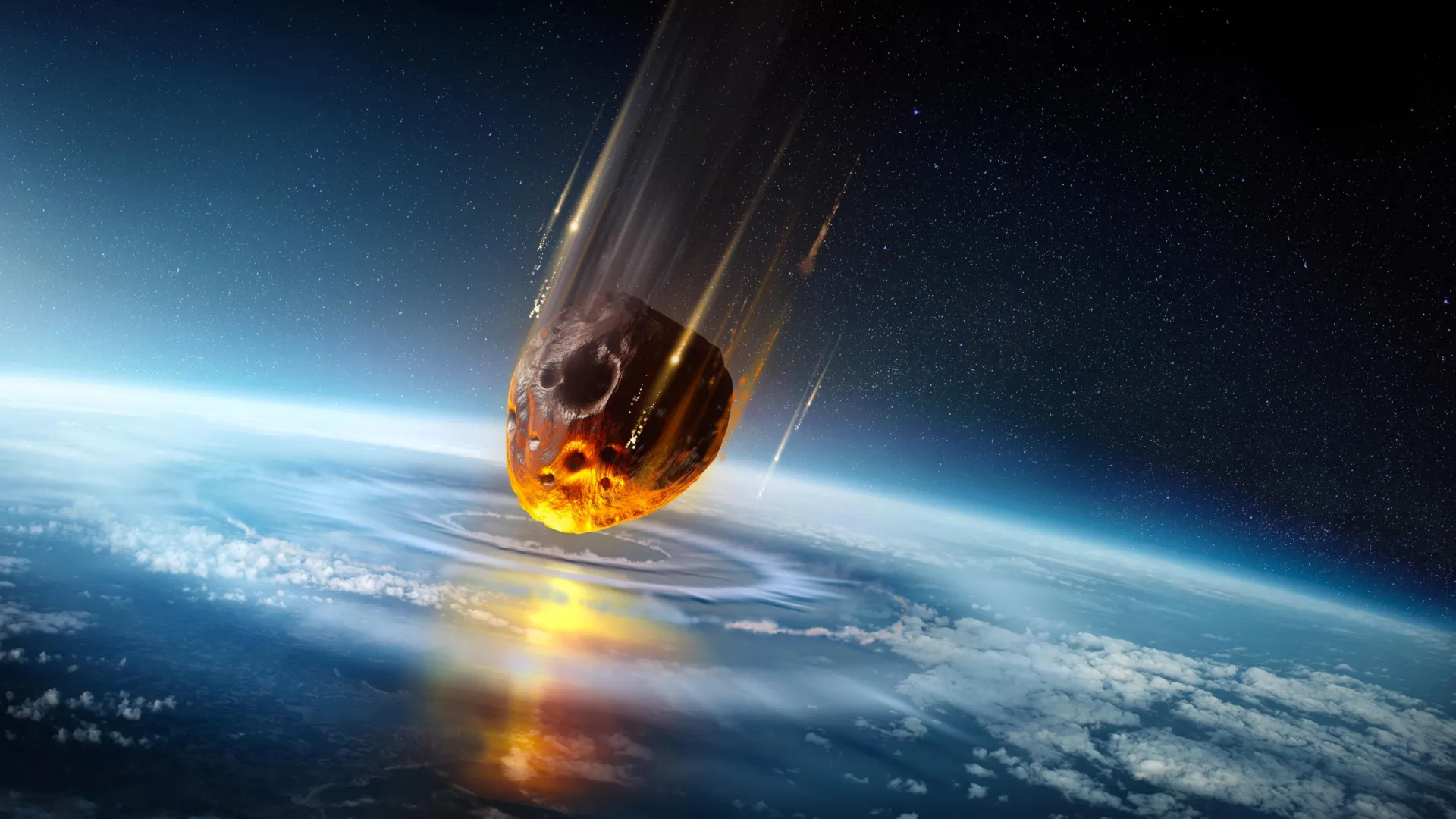
A meteor hit Oklahoma 100 million years later than scientists
Share
Facebook Twitter LinkedIn Pinterest Email

New Insights into Oklahoma’s Geological History: Revisiting the Ames Meteor Impact Structure

Recent research conducted by scientists at The University of Texas at Austin has transformed the understanding of a significant geological feature beneath Ames, Oklahoma. This impact structure, associated with a meteor strike, had long been thought to correlate with a major asteroid event in Earth’s ancient history, but new findings suggest otherwise.

The Ames Impact Structure

The Ames crater, which resides miles beneath the town of Ames, serves as a vital site for both scientific exploration and economic activity, particularly in oil and gas production. This site has remained central to discussions about the Ordovician Meteor Event, a series of impacts believed to have occurred around 467.5 million years ago.

New Findings: Dating the Impact

Recent investigations have introduced fresh evidence, indicating that the Ames impact actually dates back to about 370 million years ago, during the Late Devonian period. This revision places the crater’s formation nearly 100 million years younger than previously estimated, as documented by a study published in the journal Meteoritics & Planetary Science.

Lead researcher Elizabeth Catlos, an associate professor in the Department of Earth and Planetary Sciences at UT, remarked, “No matter what technique we used, it was coming back to this younger signal.” This led to a thorough examination that relied on zircon crystal dating extracted from granite modified by the ancient meteorite strike.

Misleading Historical Context

Prior to this research, the Ames impact’s dating relied on fossil evidence, particularly teeth from conodonts—primitive eel-like creatures—embedded within the rock. These fossils originated during the Ordovician period. However, Catlos pointed out that these teeth could have been millions of years old before the meteor impact occurred, leading to a misinterpretation of the crater’s actual formation time.

Significance of Zircon Dating

The utilization of zircon U-Pb dating techniques enabled researchers to accurately assess the age of the Ames crater. Zircon crystals provide detailed records of the extreme conditions present during impacts, allowing scientists to analyze their microscopic structure. Co-author Danny Stockli, dean of the Jackson School of Geosciences, emphasized, “These small crystals allow us to go back in time and learn about the major changes to Earth’s ancient landscapes.” This method is revolutionary in enhancing timelines related to meteor impacts.

Link to Mass Extinction Events

The new timeline aligns the Ames impact with the Frasnian-Famennian mass extinction, occurring approximately 372 million years ago, which significantly impacted marine biodiversity. Catlos noted that determining the precise dates of such events is vital for understanding Earth’s biological and geological changes over epochs, sparking critical discussions about the primary drivers behind extinction events—whether they were extraterrestrial impacts or massive volcanic activities.

Remembering Contributors

This project was initiated by Andrew Parisi, a graduate student at the Jackson School who passed away in 2018. Parisi’s efforts included traveling to collect rock core samples and extract the zircon crystals. Also acknowledged for their contributions, co-author Michael Brookfield and other researchers at the Jackson School played pivotal roles before their passing, highlighting the collaborative nature of scientific research.

Conclusion

The findings from UT Austin revisit and revise a crucial aspect of Earth’s geological chronology, particularly in understanding mass extinction events. Moving forward, researchers aim to continue this path of investigation across various meteor impact sites, striving for a clearer picture of Earth’s complex history.

Hit meteor Million Oklahoma Scientists Thought Years
Share. Facebook Twitter Pinterest LinkedIn Tumblr WhatsApp Email
Previous ArticleArc Raiders is getting a free trial to celebrate its biggest update yet
Next Article Metaplanet added 1,000 bitcoin net in the third quarter bringing holdings to 44,000 BTC
Kabilbendress0
Kabil Bendress

Related Posts

Scientists Fear a Biological Apocalypse Could Destroy Us. Now They Have a Way to Stop It.

November 19, 2026

Not Bitcoin. Not Ethereum. This Could Be the Best Cryptocurrency to Hold During the Next 5 Years.

November 19, 2026

Not Bitcoin. Not Ethereum. This Could Be the Best Cryptocurrency to Hold During the Next 5 Years.

November 19, 2026

Singapore settles $77.5 million tokenized bill sale in local CBDC – CoinDesk

November 19, 2026

Top Articles

GTA 6 Leak: Cyberleek’s 24-Min Lucia Video [2026]

October 12, 2026

How Novig became the third biggest prediction market site despite launching only months ago

November 14, 2026

How does Iran view shift in US approach after JD Vance ordered away? | US-Israel war on Iran News

November 14, 2026

‘A tremendous step backwards’: US could lose measles elimination status under RFK Jr’s leadership | US news

November 11, 2026

Don't Miss

Health/Wellness

Childhood toxin ‘leading explanation’ for young colon cancer spike

By Kabil BendressNovember 19, 20260

Rising Colorectal Cancer Rates: Uncovering the Early Exposure Link Recent research has highlighted a troubling…

Strategy Just Got Dropped From MSCI’s Indexes. Can It Keep Buying Bitcoin?

November 19, 2026

Google gives Gemini the ability to use your Mac for you

November 19, 2026

US zoo staff monitor Fiona the hippo’s rear end for signs of hat she ate | Ohio

November 19, 2026

Subscribe to Updates

Subscribe to our newsletter and stay updated with the latest news and exclusive offers.

About Us
About Us

NEWSWARD is an independent news and media company covering the economy, politics, international affairs, and a changing world. Through articles, podcasts, video, and candid conversations, we connect major events to their impact on your life, your livelihood, and your future.

Our purpose is simple: help you understand what matters, think critically, and make informed decisions.

See what’s happening now. Know what’s next.

Don't Miss

Childhood toxin ‘leading explanation’ for young colon cancer spike

November 19, 2026

Strategy Just Got Dropped From MSCI’s Indexes. Can It Keep Buying Bitcoin?

November 19, 2026

Google gives Gemini the ability to use your Mac for you

November 19, 2026
Most Viewed

GTA 6 Leak: Cyberleek’s 24-Min Lucia Video [2026]

October 12, 2026

How Novig became the third biggest prediction market site despite launching only months ago

November 14, 2026

How does Iran view shift in US approach after JD Vance ordered away? | US-Israel war on Iran News

November 14, 2026
  • About Us
  • Contact Us
  • Privacy Policy
  • Terms and Conditions
  • Disclaimer
© 2026 Newsward. All Rights Reserved.

Type above and press Enter to search. Press Esc to cancel.