


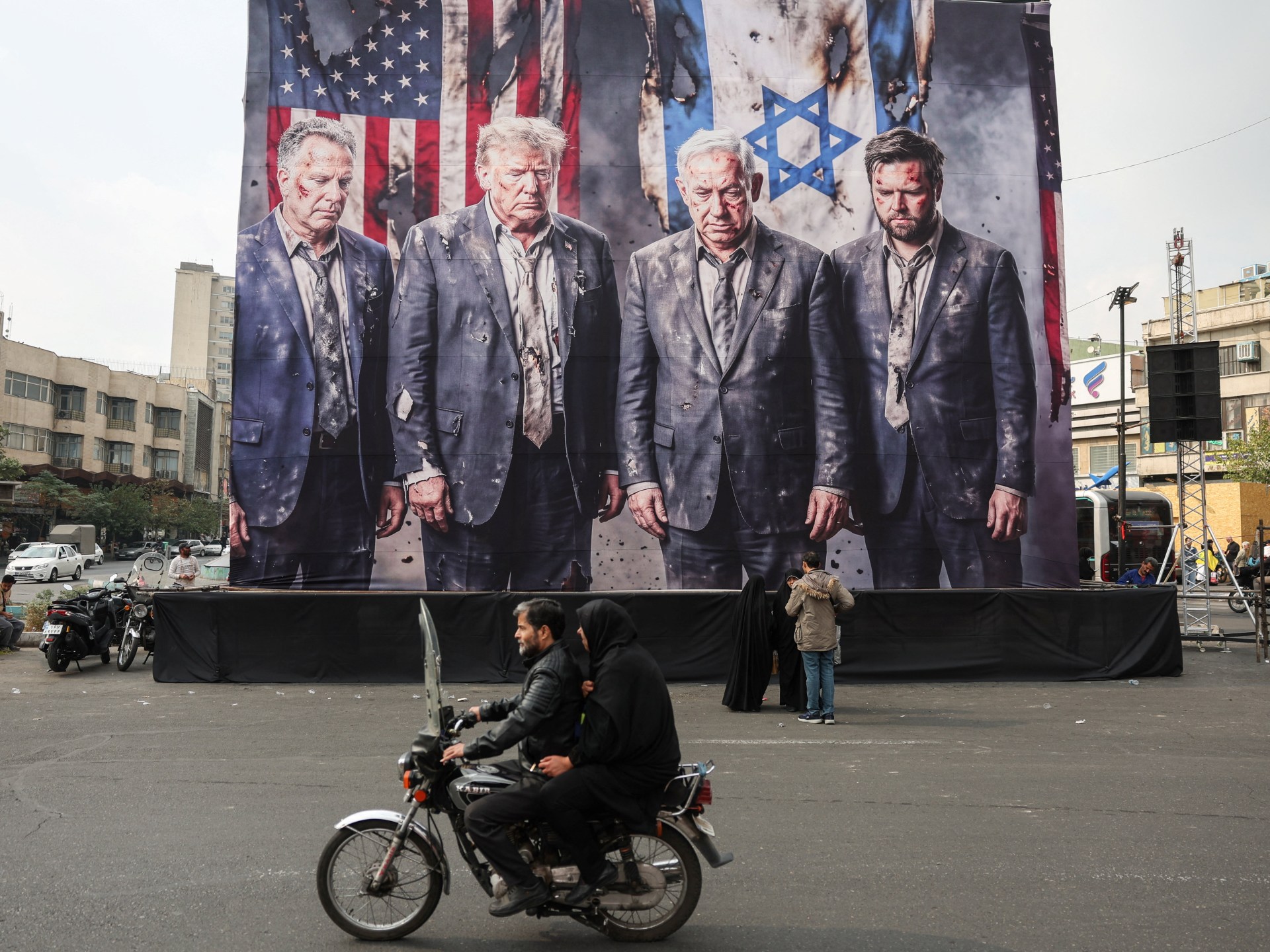
The Impact of JD Vance’s Shift on US-Iran Relations
Tehran, Iran – Decision-makers in Iran are closely analyzing the consequences of Vice President JD Vance’s reassignment from handling the Iran situation, as he turns his focus toward domestic issues. Analysts caution that this change could heighten the prospects for conflict between the United States and Iran.
Vance’s Role and Presidential Directive
Previously, Vance served as the chief negotiator for the US in discussions with Iran. However, a recent announcement from US President Donald Trump indicated that Vance should concentrate on what the President referred to as “corruption” within the Democratic Party. Trump emphasized that pursuing a deal with Iran was no longer a priority for his administration.
Perceptions in Tehran
Tehran regarded Vance as one of the more pragmatic individuals within the Trump administration, particularly following the military actions taken by the US and Israel against Iran that began on February 28. According to Nasser Hadian, a professor of international relations at the University of Tehran, Trump’s decision to shift Vance’s focus sends a clear message of confrontation with Democrats, particularly after their recent electoral successes over the Republican Party.
Implications for Diplomacy
Experts believe this shift may have implications for Israel as well, which is reportedly pushing for renewed military engagement against Iran. Vance’s previous comments attributing the Republican losses in the midterms to the conflict raise concerns about the potential for escalating military action.
Hadian elaborated, stating, “This essentially signals to Iran that reaching a deal is not a priority anymore, especially since the individual seen as amenable to negotiation has been reassigned.”
Vance’s Negotiation Stance
Vance has been perceived as an advocate for a negotiated solution to the conflict, primarily due to the increasing economic burden on American citizens. He had garnered support from key Trump advisors like Jared Kushner in prior negotiations aimed at de-escalation, including a memorandum of understanding struck in June that temporarily reduced hostilities and reopened shipping channels in the Strait of Hormuz.
Calls for Military Action
Conversely, figures such as Senator Marco Rubio have harshly criticized Iran’s leadership, labeling their demands “insane.” Rubio advocates for intensifying economic sanctions while stressing the need to avoid a total war scenario, despite acknowledging the ongoing military implications.
Recent Developments
In a letter to Iran’s security chief, Mohsen Rezaei, Vance attempted to maintain dialogue amid heightened tensions. Though Rezaei initially responded positively, he later dismissed claims of any substantial progress or future discussions, labeling them as “fake news about imaginary talks.”
He expressed frustration, stating, “You lost the war and the election. Vance has conceded, Rubio is heading for the exit,” pointing to a lack of faith in current US leadership and its commitment to engagement.
Ongoing Tensions and Negotiation Challenges
Although mediated discussions continue, no significant breakthroughs are anticipated. Iran has outlined seven specific conditions that remain unacceptable to the US. Mohammad Saleh Sedghian from the Arab Center for Iranian Studies raises concerns that Iranian leaders doubt the reliability of any future agreement with Washington, questioning how enforceable such a deal would be under Trump’s leadership.
“The ongoing blockade and sanctions are increasingly detrimental, leading to rising costs for the Iranian populace. This lingering state of indecision—marked by neither war nor resolution—poses significant risks,” noted Sedghian.
Escalating Conflict Risks
Reports indicate that firefights in the Strait of Hormuz are ongoing, as both nations grapple for control over vital shipping lanes, with incidents of naval mines and projectiles reported recently. The United Kingdom Maritime Trade Operations noted that traffic through the strait has plummeted to about 65% of pre-conflict levels.
Hadian asserts that the Iranian government may soon act against either their adversaries or even their own resources if the current pressures persist, stating, “The stronger the blockade, the more likely armed conflict becomes.”
Conclusion
While Vance’s shift away from Iran may not drastically alter the situation, the US continues to employ economic strategies against Tehran, potentially fostering additional tensions in the region. Analysts suggest that as long as diplomatic pathways remain obstructed, both nations will navigate a precarious balance of conflict and negotiation.
