


Unusual Phone Confiscation on Air Force One After Trilateral Summit
In a notable incident during President Donald Trump’s return flight from China, reporters aboard Air Force One had their mobile devices temporarily confiscated, raising eyebrows and prompting speculation about a potential detour. This occurred after the president’s trilateral meeting with Chinese President Xi Jinping and Russian President Vladimir Putin.
Incident Overview
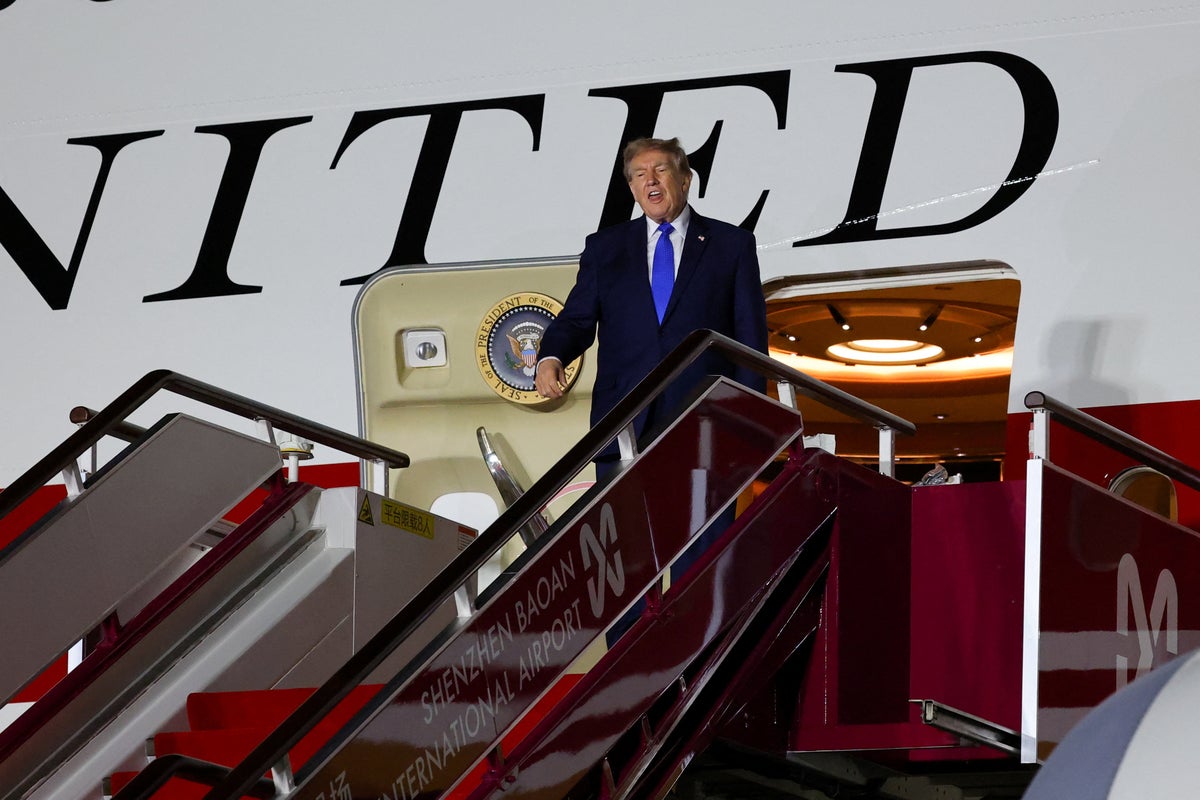
As Air Force One was prepping for departure from Shenzhen, China, on Thursday evening, U.S. officials took the precaution of collecting reporters’ phones. A White House pool report indicated that devices would be held for security purposes, stating, “At 6:45 pm consider this your wheels up.”
The White House has not offered detailed explanations regarding this measure, leading to a lack of clarity about the underlying reasons. Such instances are typically uncommon; phone confiscation usually only occurs in situations involving national security, such as visits to war zones. For example, similar precautions were implemented during Trump’s visits to military bases in Iraq and Afghanistan in 2018 and 2019, respectively.
Context of the Decision
Fox News correspondent Jacqui Heinrich, who serves as president of the White House Correspondents’ Association, observed that there was no similar action when the president departed Beijing after a previous visit. The restriction on devices was later attributed to cybersecurity concerns. Reporters’ phones were placed in specialized Faraday bags intended to block signal emissions during the flight.
The majority of the confiscated devices were temporary “burner” phones, specifically for use during this trip. Journalists had previously managed their personal devices using similar protective measures while traveling on Air Force One during previous segments of the trip.
Speculation of a Detour
The confiscation coincided with the lifting of flight restrictions over Alaska, leading to questions about the plane’s ultimate destination and the possibility of an unplanned stop. Many speculated that North Korea could be a potential detour, especially since Trump had previously floated the idea of a meeting with North Korean leader Kim Jong Un during his time at the Asia Pacific Economic Cooperation summit.
While discussing the possibility, Secretary of State Marco Rubio emphasized that Trump was “prepared” for such engagement, although he also clarified that “it may not happen.”
International Relations Context
The circumstances surrounding the trip were further magnified by Trump’s engagement in the unprecedented trilateral meeting with the leaders of two other major nuclear powers. Following a warm bilateral meeting with Putin, Trump underscored their longstanding relationship, expressing optimism about potential positive outcomes. However, the absence of formal statements from the White House regarding this initial meeting provided little insight into the discussions that occurred.
Post-summit, the leaders released a four-point declaration that reaffirmed a commitment to preventing nuclear conflict and pledged dialogue aimed at reducing nuclear risks. They also discussed proposals for reforming the United Nations and pledged collaborative efforts regarding international trade dynamics.
The Kremlin later confirmed that discussions with Trump had touched upon the ongoing conflict in Ukraine, with Putin reportedly in an “excellent” mood following their approximately 40-minute conversation.
Conclusion
This event highlights the delicate balance of national security and transparency in governmental affairs, particularly during international diplomatic engagements. As the Trump administration continues to navigate its foreign relations, the implications of such incidents remain significant for both the press and the public.