


Trump Signals Possible Conclusion to US-Israel Conflict with Iran
In a recent development concerning US foreign policy, President Donald Trump announced that the conflict involving Israel and Iran might be nearing its end. This indication came after a meeting with Sheikh Mohammed bin Abdulrahman bin Jassim Al Thani, the Prime Minister of Qatar, in Washington, D.C.
Assessment of the Conflict’s Status
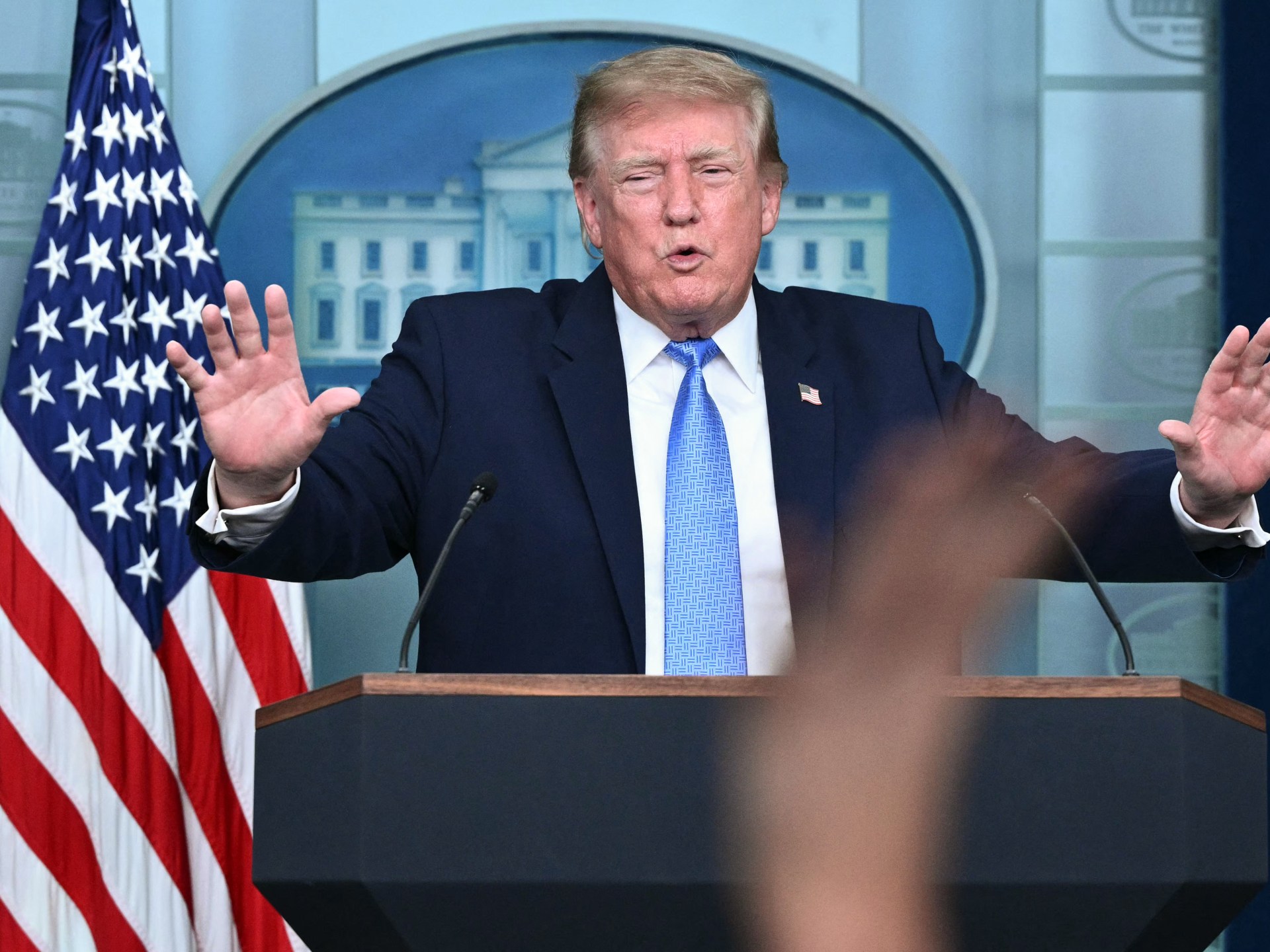
During a surprise briefing on Monday, Trump asserted that Iran’s military capabilities have been significantly undermined, stating, “Iran militarily is effectively over.” He emphasized that while the current state of affairs is maintained, it is largely due to the requests from neighboring countries concerned about regional stability.
Details from the Diplomatic Meeting
Following a closed-door discussion with U.S. Vice President JD Vance and the Qatari Prime Minister, Trump noted the productive nature of their conversations regarding US-Iran negotiations. Sheikh Mohammed expressed optimism about the discussions to reach a peace agreement in the region, reflecting a positive atmosphere for potential diplomatic progress.
Continuing US Presence and Military Stance
Despite the optimistic tone regarding peace talks, Trump confirmed the continuation of the U.S. naval blockade against Iranian ports, along with the newly established Task Force Iron Gate aimed at restricting trade through land and the Caspian Sea. He mentioned, “We’re doing that really at the behest of countries that are their neighbours,” referring to support from allies such as Qatar and Saudi Arabia.
In his comments, Trump also conveyed a readiness to engage in military action if necessary, stating, “We’re locked and loaded, ready to go for any reason that changes.” He asserted that Israel and the rest of the Middle East should feel secure from Iranian threats thanks to ongoing U.S. support.
Reactions from Iran
In response to Trump’s assertions, Iranian officials dismissed the remarks as disingenuous and distracting. Mohsen Rezaei, Secretary of Iran’s Supreme National Security Council, characterized the U.S. approach as desperate. He stated, “The war on Iran has already wrecked the US government,” and urged Washington to “STOP manufacturing FAKE NEWS about imaginary talks.”
Furthermore, Iranian President Masoud Pezeshkian indicated that Iran’s leadership is open to negotiations but emphasized the importance of mutual respect and avoiding coercion. He reiterated, “We will not surrender to force and bullying,” citing conditions necessary for an end to the conflict.
Current Context of the Conflict
Since the war began on February 28, the regional impact has been profound. Iran’s responses to U.S. and Israeli military action have included missile strikes on neighboring countries and significant disruptions to global trade through the Strait of Hormuz. The sporadic military exchanges have persisted, with recent U.S. actions involving minor strikes on Iranian territory.
Over the past nine months, combat operations by the U.S. against Iran have decreased in intensity. For instance, the administration recently offered a reward for information concerning Iran’s nuclear program, underscoring ongoing tensions surrounding nuclear development.
Looking Ahead
Qatar’s role as a mediator has been critical in navigating discussions between the U.S. and Iran, with Sheikh Mohammed reportedly presenting a proposal for peace. When asked why the conflict has not officially been declared over, Trump emphasized the importance of a “long-term solution” to ensure regional security, reflecting a cautious but hopeful outlook on the future of U.S.-Iran relations.
As the situation develops, it remains crucial for all parties involved to engage in constructive dialogue aimed at lasting peace in the region.