


Silicon Valley’s AI Regulation Debate Heats Up Ahead of Midterms
As the U.S. midterm elections approach, the ongoing clash over artificial intelligence governance in Silicon Valley has intensified. A recent analysis from CNBC revealed a significant financial expenditure disparity between political factions advocating for accelerated AI development and those pressing for stronger regulatory measures.
Financial Breakdown of AI Political Factions
With only one week remaining until the midterms, proponents of rapid AI advancement have poured approximately $8 million into congressional races. This spending surpasses the $6.9 million allocated by groups that support stringent safety regulations and enhanced state oversight.
One notable example is Florida’s 25th Congressional District, where a fierce political contest has emerged. The super PAC Think Big, aligned with Leading the Future and advocating for reduced AI regulations, invested $310,000 in support of Democrat Jared Moskowitz. In contrast, the super PAC Defending Our Values, which champions stricter safety protocols, allocated nearly $857,000 to bolster Republican candidate Scott Singer, along with an additional $740,000 used strategically against one of his primary competitors.
Now, Moskowitz and Singer are set for a direct showdown in the general election, representing a microcosm of the larger battle within Silicon Valley regarding AI policy shaping.
Conflicting Perspectives on AI Regulation
Despite sharing a common interest in advancing AI technology, the two factions remain embroiled in a costly struggle over candidate endorsements and which policies will foster their visions for AI’s future. The outcome of these elections could significantly impact the legislative landscape governing AI in the next Congress.
“Everyone supports some form of regulation. It’s just a debate about how much,” noted Bruce Freed, president and co-founder of the Center for Political Accountability. He emphasizes that funding flows from both camps as they vie for influence over future AI regulations.
The Influence of the Crypto Model
The strategic landscape has evolved dramatically since the hype surrounding cryptocurrencies. A significant portion of funding directed by pro-crypto PACs during the 2024 election cycle set a high bar, achieving a 91% success rate for backed candidates. In response, AI advocates established their own funding networks, aiming to replicate this success with more than $100 million invested.
Organizations like Think Big and American Mission emerged to promote candidates who align with their agenda for expedited AI development and fewer regulatory barriers. Sacha Haworth, the founder of the Tech Oversight Project, stated that the AI industry adopted aggressive funding strategies to sway lawmakers into compliance.
The Backlash and Spending Slowdown
As the general elections draw closer, the expenditure flow from AI interest groups appears to have decelerated. Recent filings indicate that safeguards-focused factions have committed around $825,000 this fall against candidates previously supported by Leading the Future. In contrast, primary expenditures were considerably higher, with Leading the Future reporting $26 million compared to just $8 million in general-election spending.
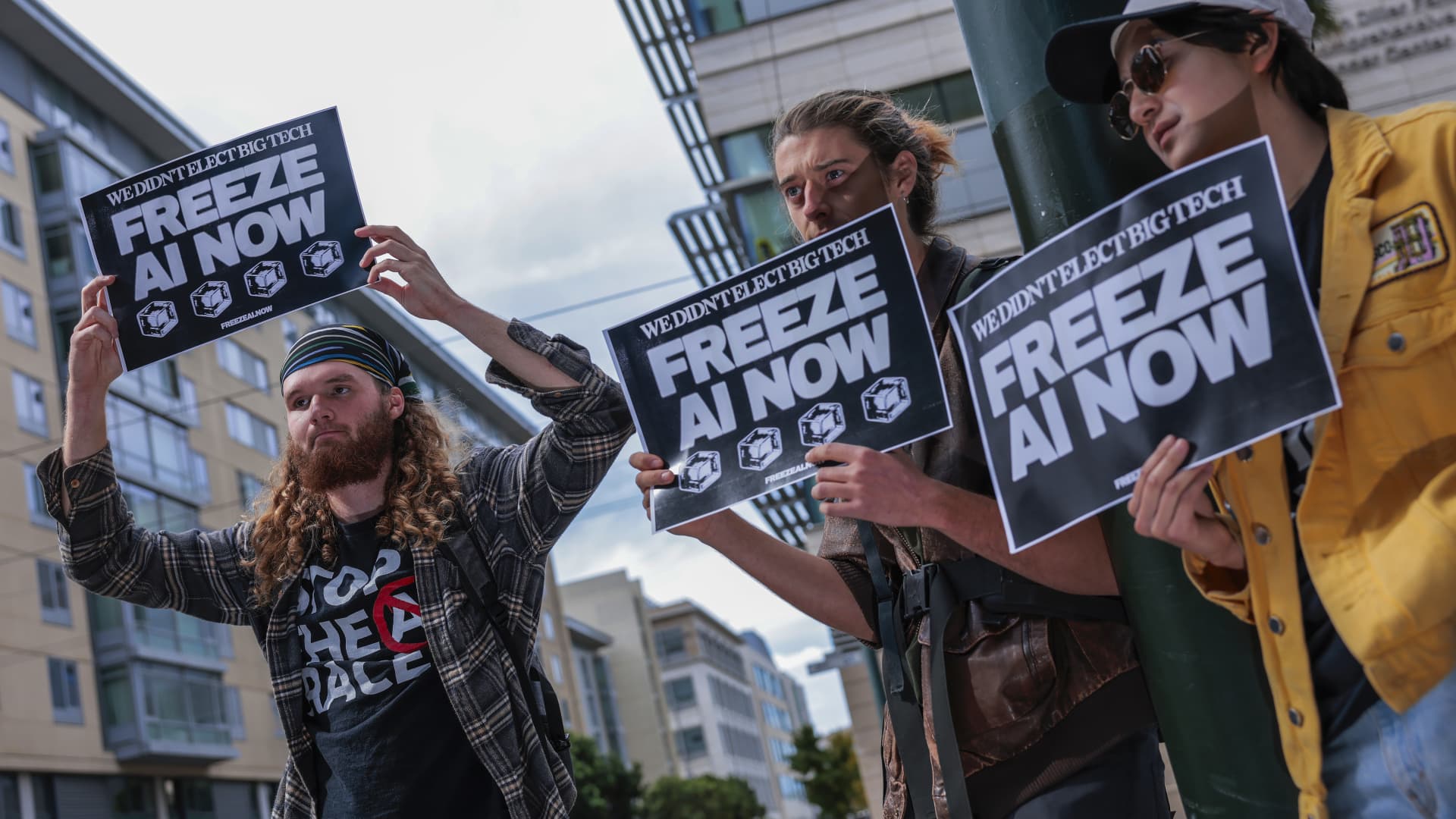
Polling data suggests a shifting public perception, with 52% of voters advocating for a pause on advanced AI development until legislative measures are enacted. This sentiment reflects a backdrop of increasing resistance to AI initiatives, prompting many significant donors to reconsider their political spending.
OpenAI’s chief strategy officer acknowledged internal concerns over the organization’s reputation amid public backlash, leading to a scaled-back commitment to political contributions. Furthermore, Meta has also responded by retracting substantial funding, cutting its planned investment in state-level political efforts.
Conclusion
The evolving political battleground surrounding AI regulation in Silicon Valley underscores the complexity of navigating innovation and safety. As factions continue to clash, the legacy of these elections may redefine not just the immediate political landscape but also the future trajectory of AI governance in the United States.
