


Israel’s Pivotal Election: Voter Mood and Election Process
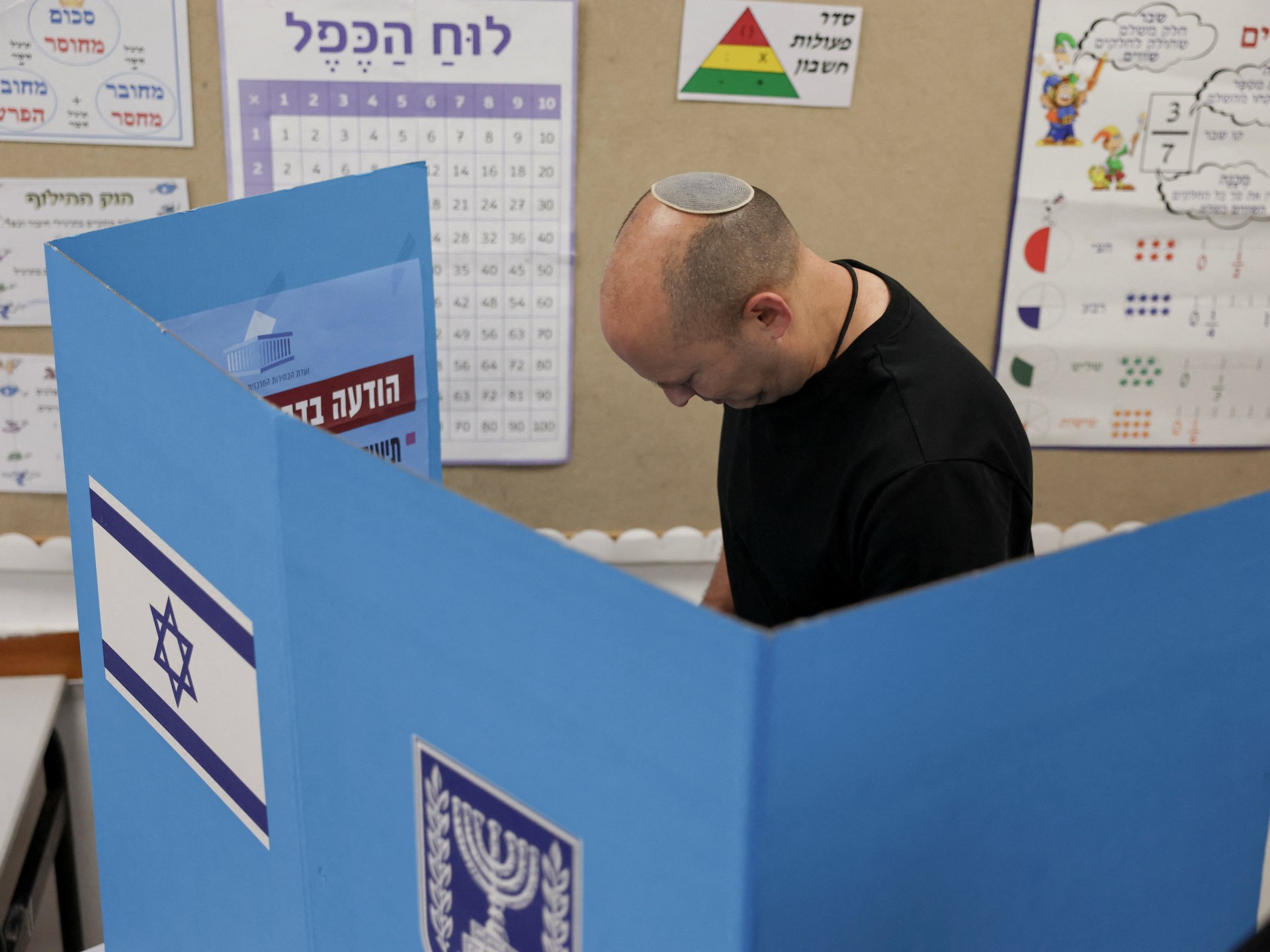
On Tuesday, Israelis went to the polls in a crucial election that follows the events of October 7, 2023, when the Hamas attack on southern Israel escalated tensions and led to ongoing conflict in Gaza. This election marks a significant moment as it is the first since that tragic day, with implications for the country’s future.
Current Context of the Election
The political landscape in Israel has changed dramatically in recent years, particularly in the wake of heightened unrest in the occupied West Bank. Prime Minister Benjamin Netanyahu faces growing criticism regarding his government’s response to the October 7 attacks. Issues such as the retrieval of hostages in Gaza, allegations of corruption, and disputes surrounding military service for ultra-Orthodox citizens have also surfaced as significant concerns among the electorate.
Election Dynamics
Recent poll data indicates a tight race between Netanyahu’s coalition and an opposition bloc led by former military chief Gadi Eisenkot. According to Haaretz, the predicted seat distribution shows Netanyahu’s bloc potentially securing 50 seats compared to Eisenkot’s 54 out of the 120 available in the Knesset, Israel’s parliament.
Voting Process and Eligibility
Polling commenced at 7 AM local time and concluded at 10 PM (20:00 GMT). Approximately 7.3 million Israelis were eligible to vote, which includes around 1.2 million Palestinian citizens of Israel. Notably, Israeli citizens living abroad were unable to vote due to the absence of provisions for absentee ballots, with exceptions made for diplomats and state representatives casting their votes on October 20.
When Will Results Be Announced?
Exit polls will provide preliminary election results soon after the polls close, although a definitive outcome may take days or even weeks to materialize. Comprehensive results will be available on the Central Elections Committee’s website post-voting, with a final tally expected by Friday and official results to be published on November 4.
Understanding the Electoral System
Israel employs a system of proportional representation, meaning voters select a party instead of individual candidates. Each party’s number of Knesset seats corresponds directly with the portion of the vote it receives. To enter the Knesset, a party must achieve at least 3.25% of the national vote, and with several parties poised to compete, seat allocation may take time.
Formation of the Next Government
After the final count, President Isaac Herzog will consult with party leaders to determine the most viable candidate for prime minister. The nominee will then have up to 42 days to assemble a coalition government. Given that no party has previously won an outright majority, coalition-building negotiations are likely to extend for weeks, complicating the political landscape further.
What If No Coalition Is Formed?
Should efforts to form a government fail, the current administrative body will continue to operate in a caretaker capacity. The leading party has various options to assemble support from smaller parties, including the potential to form a minority government or enter a power-sharing arrangement. If these avenues prove unfeasible, the possibility of new elections looms large.
This election stands as a pivotal juncture for Israel, reflective of the regional complexities and domestic concerns that shape the nation’s trajectory.