


Lewis Pugh’s Pioneering Swim in the Strait of Hormuz Highlights Environmental Threats
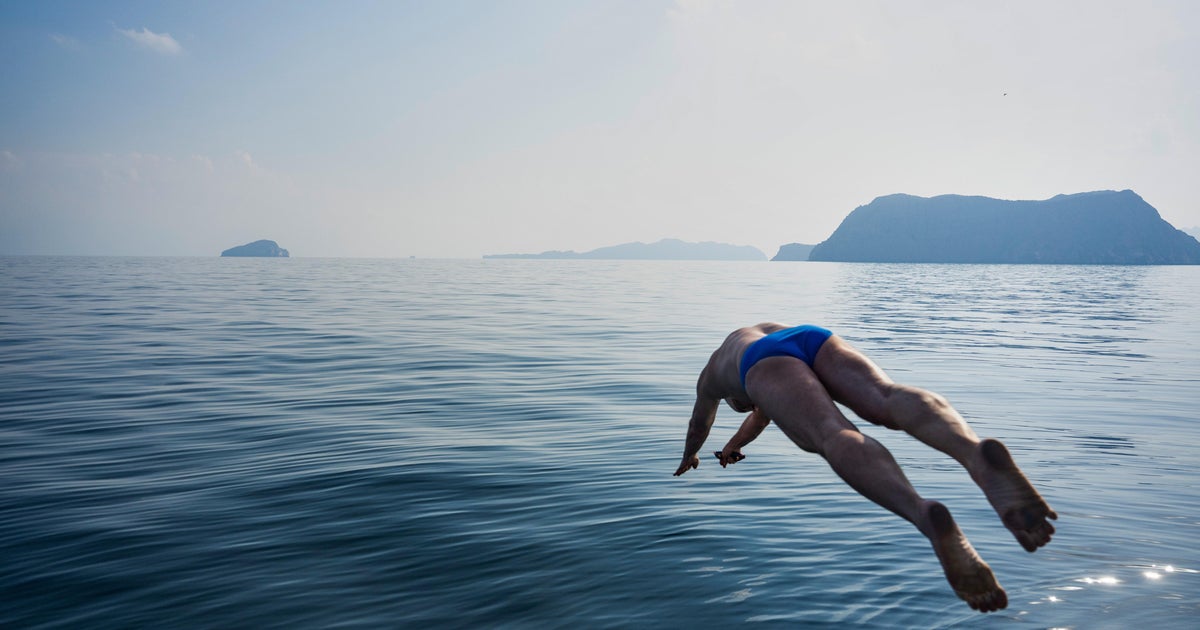
British endurance swimmer Lewis Pugh has undertaken a monumental swimming challenge in the troubled waters of the Strait of Hormuz. Known for his extreme swims in some of the world’s most challenging environments, Pugh’s latest endeavor aims to bring attention to the environmental impacts of ongoing military conflict in the region.
A Swim Amidst Conflict
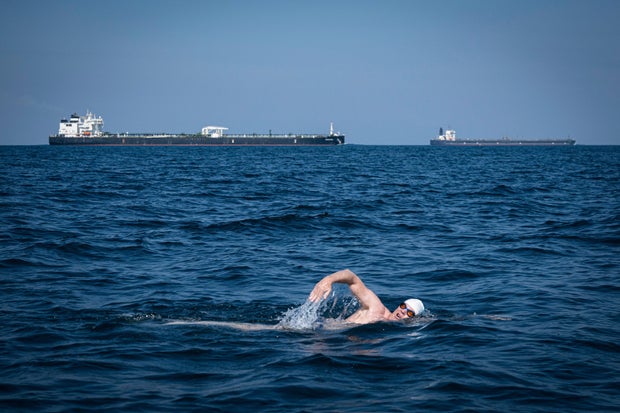
From November 16-18, 2026, Pugh swam approximately 9.3 miles in the Strait, beginning at the Musandam Peninsula and finishing at Cape Hormuz. This swim marks him as one of the first individuals to complete a long-distance swim in the strait since the onset of hostilities. The challenge was particularly perilous, as Pugh faced not just the cold waters but also explosive dangers.
Immediate Dangers
Pugh recounts that shortly after entering the water, he heard two loud explosions, caused by an oil tanker being attacked nearby. “I looked up and I could see that an oil tanker about four kilometers away had been hit,” he said. “The explosion was so loud… and at that moment I realized we have to get out of here right now.”
Despite these dangers, Pugh completed his swim after navigating a series of stops. He witnessed another vessel being struck, which sent flames into the air, underscoring the severity of the situation. “Most people, when they think about the Strait of Hormuz, they think of a shipping lane,” he noted, highlighting its dual significance as a vital shipping route and a rich ecological habitat.
Environmental Concerns
Pugh, who serves as a United Nations Patron of the Oceans, emphasizes the grim consequences of the ongoing conflict on marine biodiversity. “With all these ships being sunk, this area is under severe threat,” he warned. “It’s going to take years, decades for this area to recover.”
As oil leaks from damaged vessels threaten the coastline, coral reefs, and animal life, Pugh expressed concern over the long-term ecological damage that could ensue: “When oil gets in there… it lasts for generations.” During his swim, he observed dolphins, turtles, and other wildlife, further illustrating the area’s rich marine life that is at risk.
Global Context and Advocacy
The Strait of Hormuz is crucial for global trade, with a substantial amount of the world’s oil passing through. The region has seen increased military actions, with Iran targeting vessels it deems unauthorized within these waters. Such tensions have elevated risks for shipping and the marine environment alike.
Pugh’s previous expeditions have spanned locations from the North Pole to Antarctica, with the intention of advocating for stronger protections of marine ecosystems. His actions have contributed to securing agreements covering over 1.35 million square miles of endangered ocean.
Messages of Hope and Urgency
“Sport opens doors, it creates dialogue,” Pugh remarked on his unique approach to raising awareness through performance, termed by some as “Speedo diplomacy.” His overarching message remains urgent: “We’ve got to stop the war. We’ve got to open the strait, and we’ve got to clean up the pollution.”
Conclusion
Pugh’s remarkable swim not only showcased his bravery but also served as a poignant reminder of the critical intersection between environmental health and geopolitical conflict. As the world watches, Pugh’s efforts continue to inspire a movement towards greater ecological advocacy and peace in vulnerable regions.