


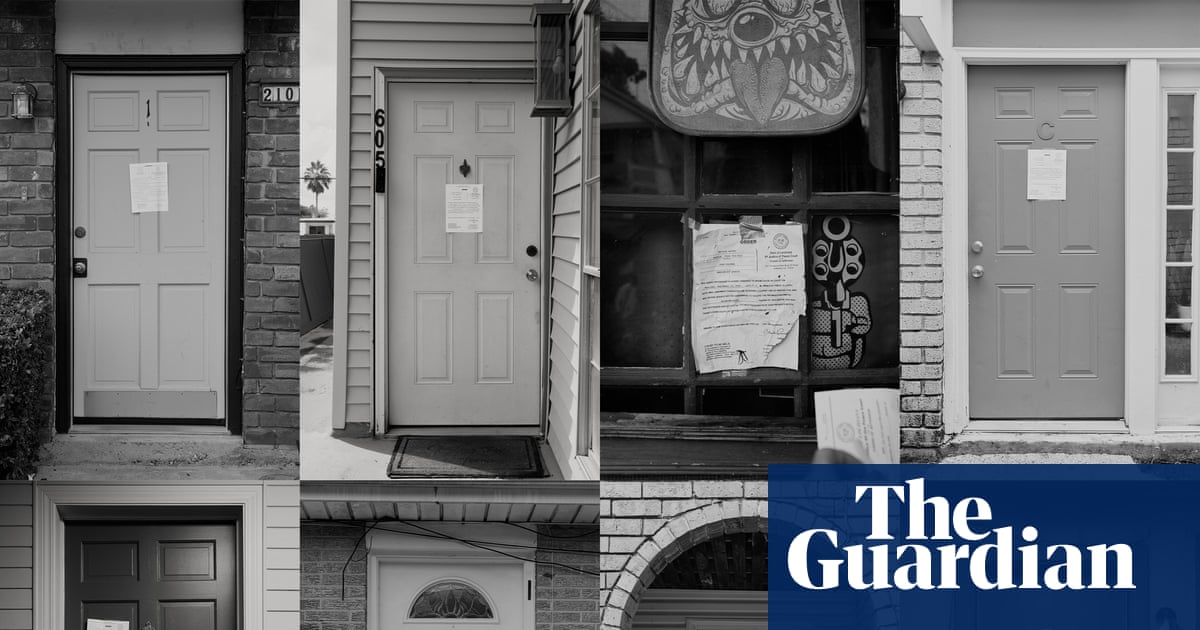
Eviction Practices in Louisiana: A Deep Dive into Justice of the Peace Courts
In Louisiana, the justice of the peace courts have garnered attention due to their expedited eviction process, raising concerns among tenant advocacy groups and legal experts about the potential neglect of tenant rights. The case of Marchana Watts, who was evicted from her trailer home near Baton Rouge, serves as a poignant example of the judicial challenges faced by renters in the state.
The Case of Marchana Watts
On a rainy morning, Watts arrived at the justice of the peace court, armed with evidence supporting her claim that she had dutifully paid her monthly rent of $950. Yet, her evidence was reportedly dismissed by the presiding justice, Tracy Batieste, who directed the property manager to pay her court fees and subsequently ordered Watts to vacate her home within 24 hours. Watts describes this encounter as a serious injustice, emphasizing that her proof of payment was not considered in the eviction decision.
Overview of the Justice of the Peace Courts
Louisiana’s justice of the peace courts, staffed by part-time justices, manage a range of cases, including evictions and small claims. Justices only need a high school diploma to serve, and they are compensated based on court fees, leading to potential conflicts of interest. Housing advocates have expressed concern that the financial incentives may encourage justices to prioritize landlords’ interests over those of tenants. As explained by Bradley Benton, a former legal aid attorney: “It’s faster. It’s cheaper. And it’s easier to evict,” thereby attracting landlords to these courts.
Financial Incentives and Their Implications
The financial structure of these courts raises questions about integrity and accountability. Last year, a justice in Jefferson parish earned over $400,000, more than the Chief Justice of the U.S. Supreme Court. Reports show that approximately 80% of the cases heard often favor landlords, further complicating the situation for tenants, many of whom lack legal representation. Less than 5% of tenants have lawyers, in contrast to over 80% of landlords who do.
A Systematic Examination of Evictions
The Guardian conducted an extensive investigation into Louisiana’s eviction practices, analyzing over 11,000 eviction records and interviewing numerous stakeholders, including tenants, justices, and housing attorneys. This deep dive revealed alarming statistics, such as a city court’s eviction filing rate being nearly three times the national average, with tenant representation often as low as 1%.
Justice System Concerns
Concerns have been raised regarding the constitutionality of the justice system. Retired California appeals judge Lisa Foster remarked, “I believe this system is blatantly unconstitutional,” citing a longstanding precedent that mandates fair judicial processes free from potential conflicts of interest.
Challenges for Tenants
Many tenants, especially those from disadvantaged backgrounds, face severe disadvantages during eviction proceedings. Alongside financial struggles, numerous tenants reported being unable to speak about their circumstances in court, as seen in Watts’ situation. Other recent cases reveal similar patterns, where justices frequently rule against tenants without thoroughly assessing their claims, as in the case of Leroyalnika Pierre, a single mother facing eviction due to unpaid rent linked to unaddressed maintenance issues in her apartment.
Judicial Practices and Potential Misconduct
Several justices of the peace have faced scrutiny due to irregular practices. For instance, Justice Mark Miley was reprimanded for issuing rulings beyond his jurisdictional authority, while Justice Tracy Batieste resigned after being implicated for charging unlawful fees. Reports suggest that many justices operate in a manner akin to “eviction mills,” prioritizing speed and volume over due process.
A Call for Reform
The landscape of justice in eviction proceedings has prompted extensive calls for reform. Organizations like the National Housing Law Project are actively pursuing legal action seeking changes to what they deem problematic judicial practices in Louisiana. The lack of oversight, paired with the potential for abuse of power, maintains a significant imbalance between landlords and tenants.
Occupying the Margins
Individual stories of tenants struggling post-eviction demonstrate the lasting impact and trauma of this rapid judicial process. Watts, for instance, faced immense hardships after her eviction, which led her to sleep in her car for a month while worrying about the wellbeing of her children.
Conclusion: The Path Forward
As issues surrounding tenant rights and eviction proceedings continue to unfold in Louisiana’s justice of the peace courts, the need for greater reform and oversight is evident. With systemic challenges facing many renters, advocacy for a more equitable judicial system remains crucial.
For continual updates on this topic and stories like Marchana Watts’, please follow additional reports and analyses from trusted sources.
