


U.S. Stock Market and Bitcoin React to Democratic Election Sweep
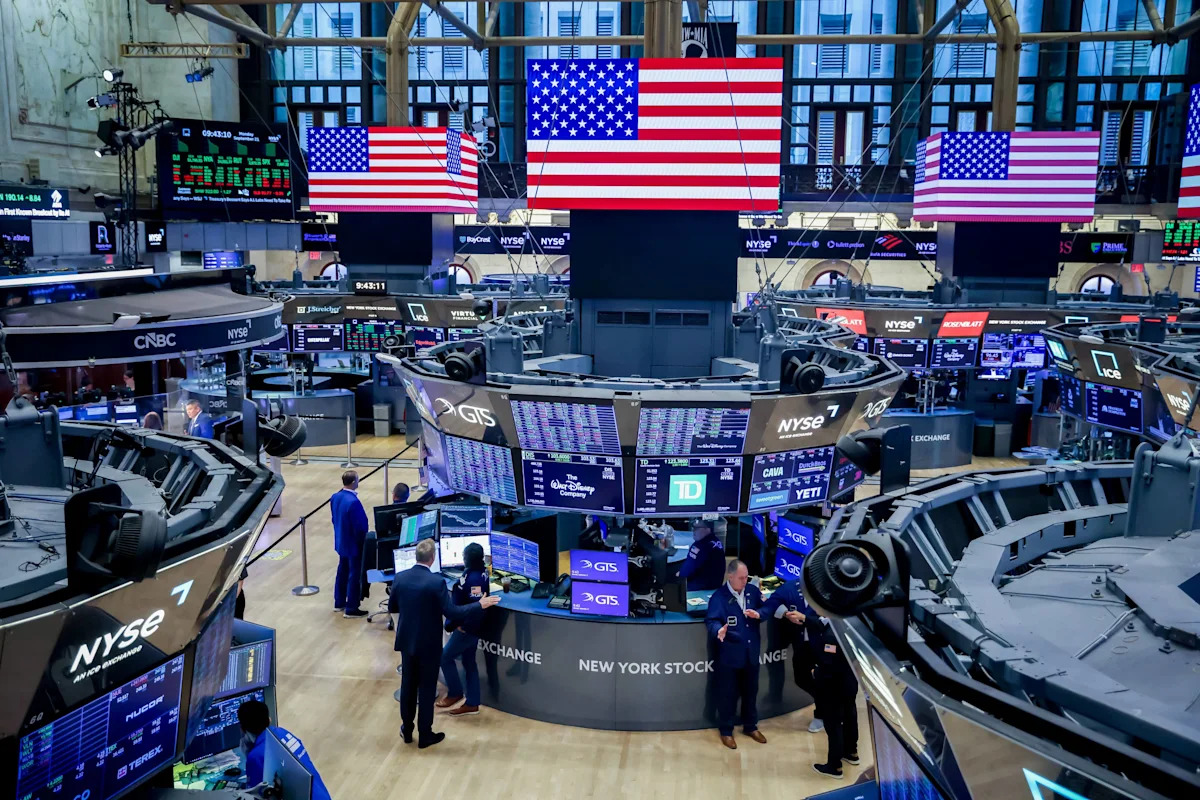
U.S. stock markets experienced a significant surge on Wednesday as results rolled in from the midterm elections, with Democrats securing decisive victories. The Dow Jones Industrial Average climbed over 1,500 points—approximately 3%—marking its most substantial increase since April 2025.
Cryptocurrency also saw gains, with Bitcoin (BTC) increasing by 5.7%, reaching around $80,500. However, this positive momentum was fleeting.
Market Reversal Following Election Gains
On Thursday, a dramatic turnaround ensued, prompting comparisons to the market setbacks induced by the tariffs announced during President Donald Trump’s “Liberation Day” in April 2025. The stock market downturn raised concerns among investors, particularly regarding future spending on artificial intelligence (AI) and the implications of a Democratic-controlled Congress on regulatory scrutiny over data centers.
The Nasdaq Composite Index fell by 4%, entering correction territory, while the S&P 500 and Dow Jones experienced declines of over 3% and more than 2%, respectively. Bitcoin mirrored this downturn, plummeting more than 5% to around $76,000, effectively wiping out all gains made following the elections.
Impact on Crypto-Linked Stocks
A wave of red swept through crypto-related stocks, with Coinbase (COIN) plunging 10.29%, MicroStrategy (MSTR) losing 10.14%, and Circle (CRCL) declining by 11.80% during midday trading on Thursday. The total cryptocurrency market capitalization fell to about $2.53 trillion, reflecting a loss of approximately $137.6 billion, or 5.16%, in just one day.
This selloff triggered a series of forced liquidations of leveraged cryptocurrency positions, exacerbating the market’s volatility.
Liquidations and Broader Market Context
According to data from CoinGlass, around $878 million in leveraged positions were liquidated in just four hours, including $798 million from long positions. Technology firms such as AMD and Micron faced severe impacts, with each experiencing losses exceeding 12% on that day.
This market activity echoed the tumultuous aftermath of Trump’s April 2025 tariff announcement, which led to an initial 4.8% plunge in the S&P 500 and a staggering $5 trillion reduction in U.S. stock market valuation over two days. Following that event, Bitcoin hit a low of $74,500, before rebounding when Trump announced a pause on tariffs, resulting in a 9.5% gain for the S&P 500—a record surge since 2008.
As Thursday’s trading session unfolded, it appeared to be heading towards potentially marking the S&P 500’s worst day since the April crash, as reported by the Associated Press.
Looking Ahead
The recent fluctuations underscore the sensitive nature of market dynamics in response to political developments and regulatory expectations. Investors are likely to closely monitor how these elements evolve in the weeks and months to come.
For insights into the latest trends in technology stocks and digital assets, consider checking the Roundtable 100, updated every Friday, which ranks the top 100 most investable tech stocks.
This article was initially published by TheStreet on November 5, 2026, and covers recent developments in the financial markets.
