


Bolivia Declares State of Emergency Due to Drought and El Niño Challenges
In response to a growing crisis spurred by the El Niño weather phenomenon, Bolivia’s President Rodrigo Paz has announced the declaration of a nationwide state of emergency. This significant decision aims to mobilize resources effectively to confront the severe impacts of both drought and flooding affecting the country.
Impact of Drought on Families and Livestock
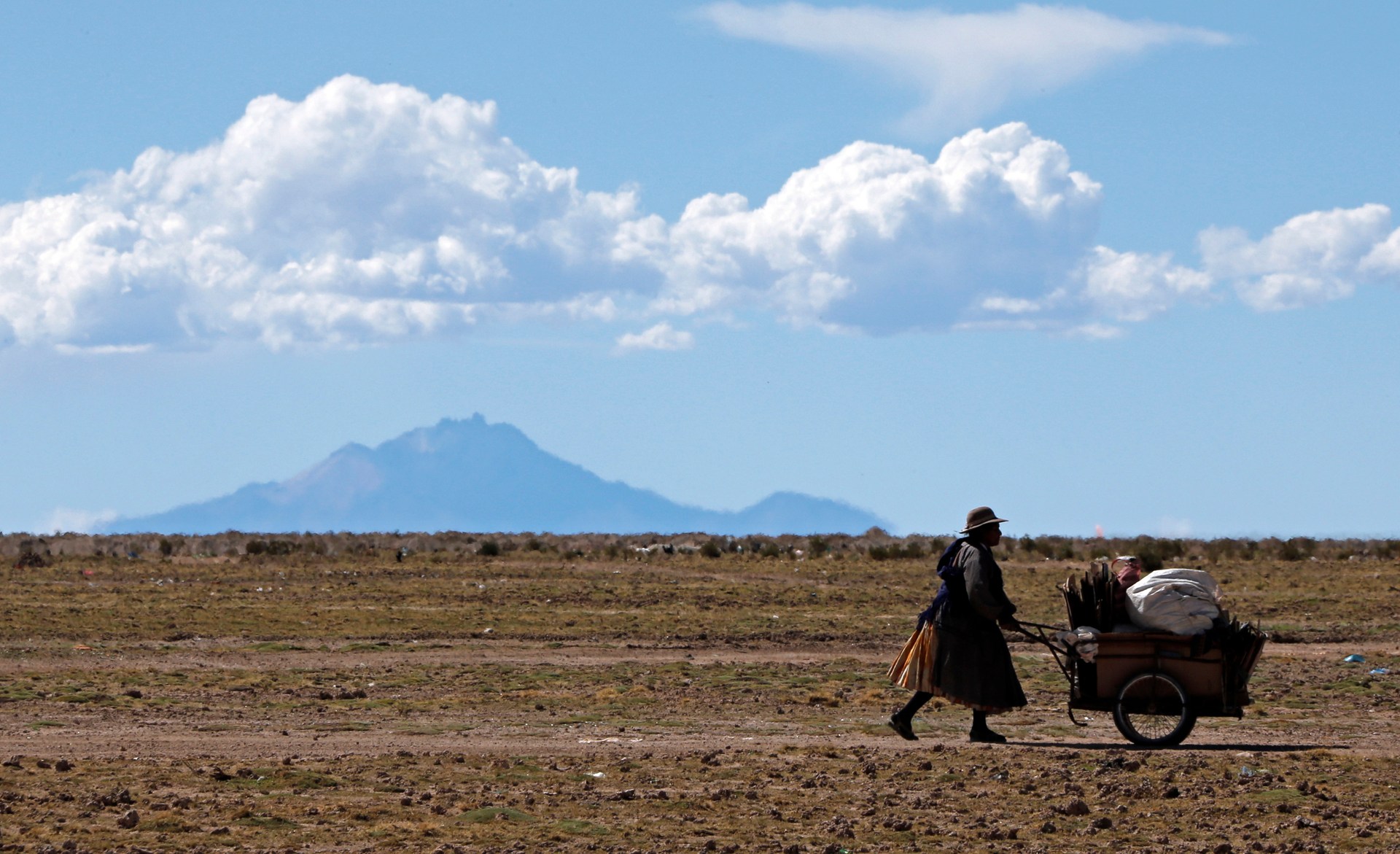
Currently, approximately 78,000 families across six of Bolivia’s nine departments are grappling with the consequences of prolonged drought. This environmental crisis has resulted in the tragic loss of more than 75,000 cattle, a situation that poses a significant threat to the livelihoods of many Bolivians.
El Niño: A Dual Threat
President Paz emphasized the dual nature of this crisis, highlighting that El Niño is expected to have “very severe impacts in terms of drought and floods.” He underscored the need for collaborative efforts from governmental institutions to mitigate the unfolding disaster.
Historically, El Niño has demonstrated a capacity to induce extreme weather changes globally. The current cycle is projected to reach its peak intensity by late 2026, with its repercussions anticipated to extend into 2027.
Historical Context and Regional Effects
Bolivia has previously faced significant flooding challenges. For instance, in December 2025, flooding in the Santa Cruz region tragically resulted in the loss of dozens of lives. Compounding these challenges, neighboring Chile has recently recorded its rainiest October to date, while wildfires in Peru contributed to further devastation, resulting in at least 12 fatalities.
El Niño’s Broader Implications
According to scientific forecasts, the current El Niño could potentially lead to catastrophic outcomes, including an estimation of over 450,000 global deaths, with the most severe impacts felt in poorer nations. The World Meteorological Organization has reported a nearly 100 percent chance that the phenomena will persist through February 2027, raising further concerns regarding food security and disaster preparedness.
