


Anthropic’s New Claude Code Restrictions Spark Developer Concerns
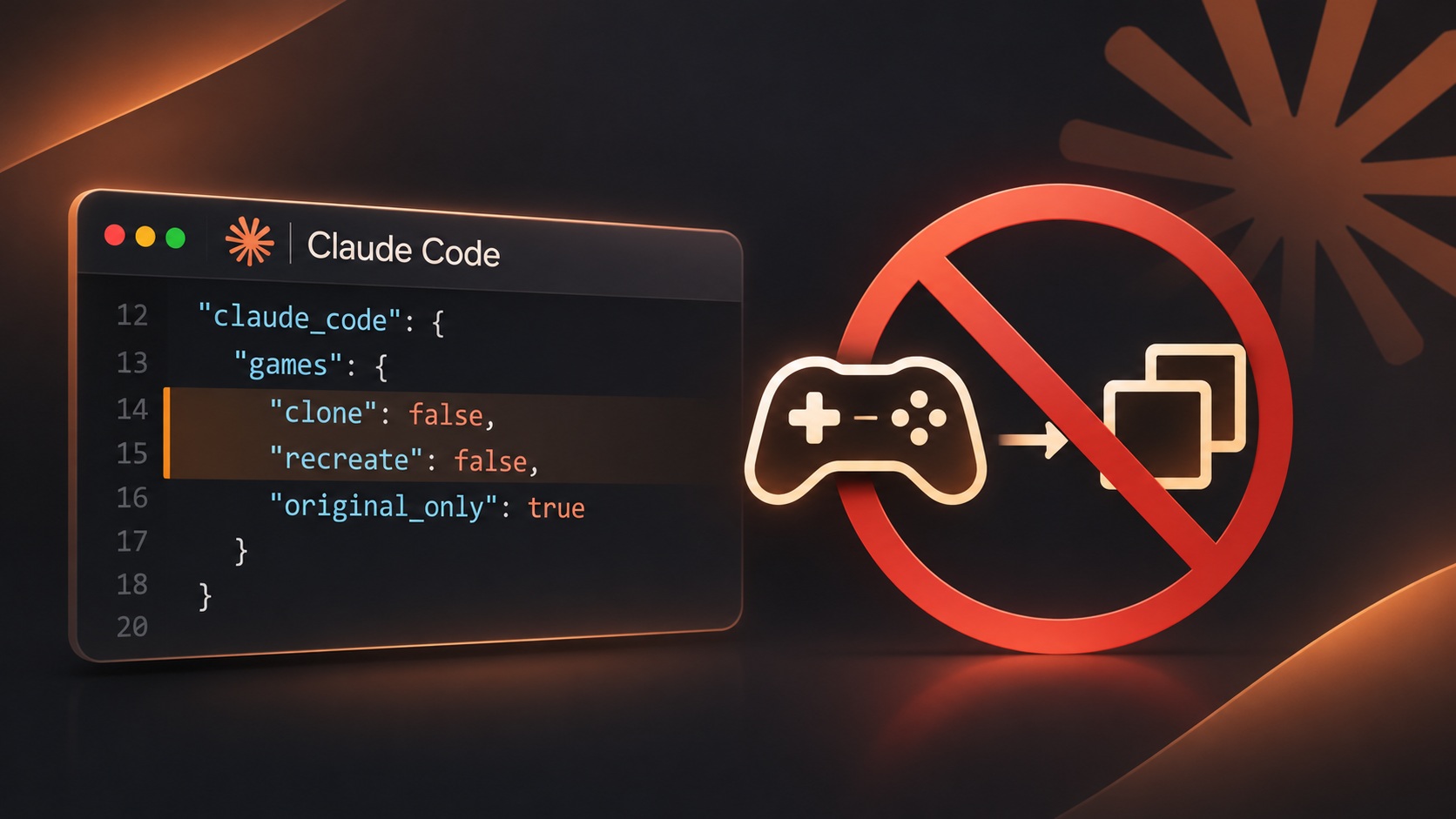
Anthropic, the AI research company, has implemented new restrictions on its coding assistant, Claude Code, aimed at preventing the recreation of existing video games. This initiative has triggered a wave of controversy, particularly from developers who report that these limitations might also hinder their own projects.
Overview of the New Limitations
As highlighted by Game Developer, the new regulations, identified as tengu_heron_brook, were reportedly introduced around October 27. A user on X, known as Chasm, uncovered this configuration, which explicitly instructs Claude Code against recreating existing games.
Specific Content Restrictions
The directive specifies:
“Do not build a recreation of a specific existing game, even if it is renamed or called original.”
Despite these restrictions, Anthropic has clarified that they do not impose a comprehensive ban on AI-supported game development. Developers can still create original games, draw inspiration from various genres, and utilize their own designs and assets freely.
Developer Reactions and Concerns
Following the introduction of the new limitations, Anthropic’s Addy Osmani confirmed the updates, which include two sentences added to Claude Code’s prompt for Opus 5.5. These modifications aim to mitigate instances of intellectual property infringement, which contravene the firm’s usage policy. Osmani acknowledged the potential for unintended consequences and encouraged developers experiencing issues to report their cases.
However, complaints have surfaced already. For instance, a developer from Conflict Simulations LLC documented a GitHub issue on October 30, expressing frustration that Claude Code began rejecting requests related to custom digital board game modules. These modules utilize original coding and materials from clients who possess the physical versions of the games, though they lack official licensing from the publishers.
The developer noted that refusals commenced only after a query about the new restrictions was presented to Claude.
Potential Impact on Modding and Reverse Engineering
Further complications have been reported regarding reverse-engineering processes, although a direct link to the new game-specific restrictions is yet to be established. This situation is particularly critical for the PC modding community, which increasingly relies on AI tools for tasks such as optimization and game preservation.
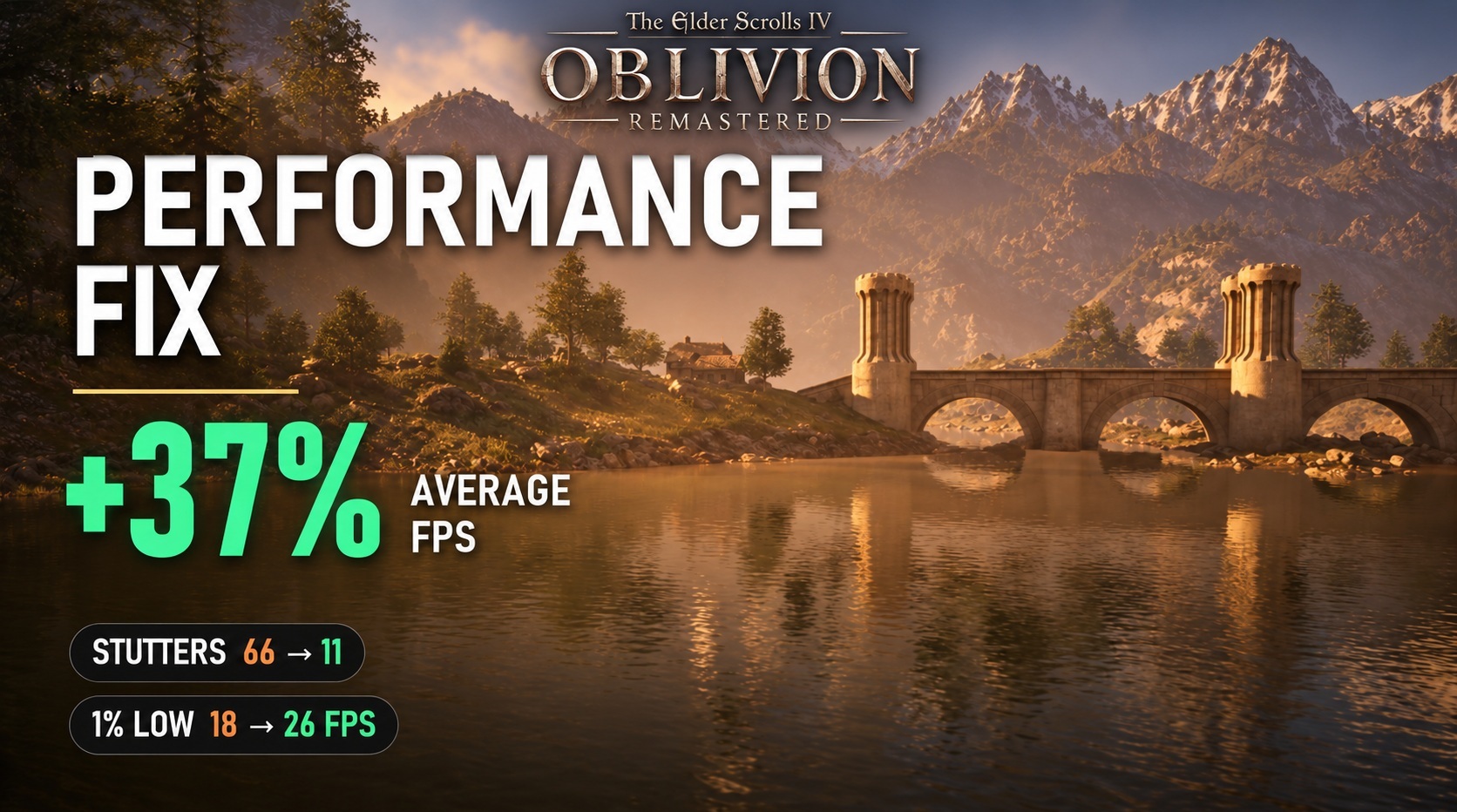
For example, Claude AI played a role in creating an “Oblivion Remastered” performance mod that enhanced frame rates by over 40% while significantly reducing stuttering issues during gameplay, highlighting the valuable contributions of AI in game development scenarios.
Conclusion
While the new Claude Code restrictions aim to safeguard intellectual property, concerns about their effects on legitimate game development processes persist. Anthropic is tasked with the challenge of balancing protection against infringement with the need to support innovative and authorized uses of its AI coding tools.
For additional insights, refer to reports from Game Developer and Tom’s Hardware.

About the author: Sebastian Castellanos is a data scientist with a passion for PC gaming hardware and software. He writes articles and guides about games and mods for Wccftech.
