


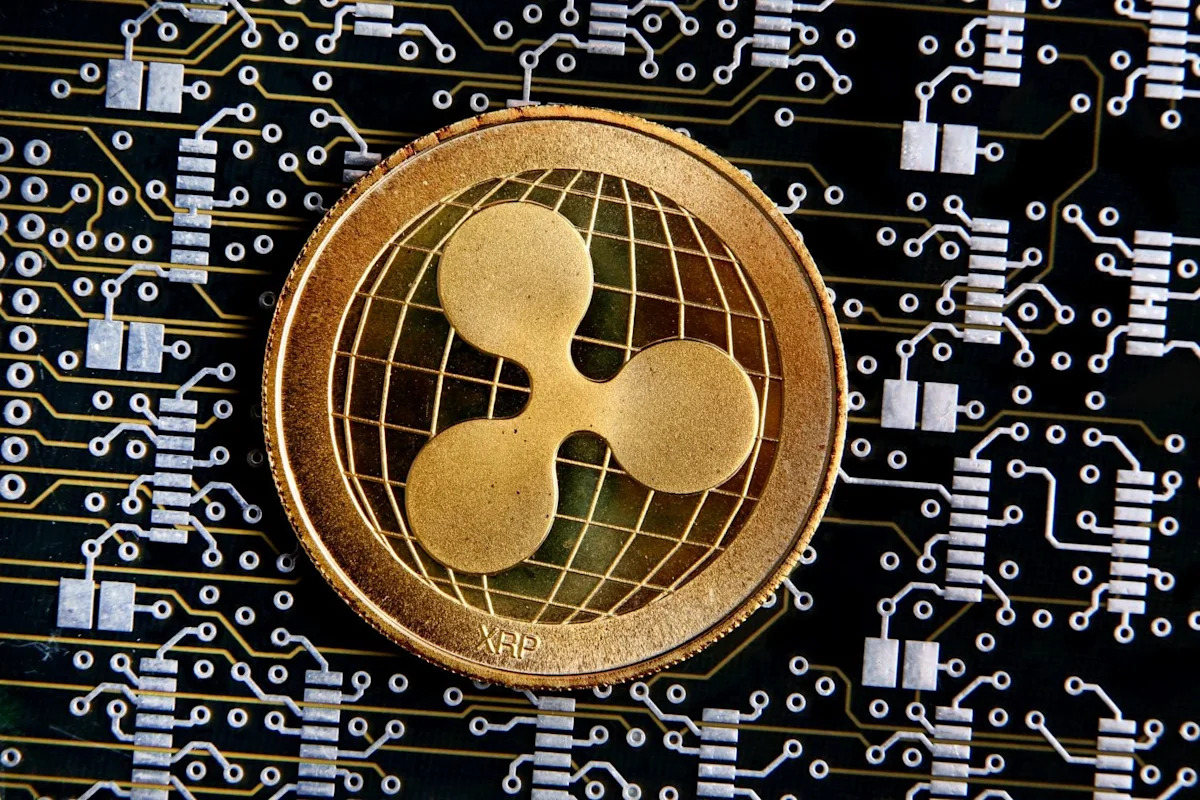
XRP vs. Bitcoin: A Comparative Analysis
Overview of Current Market Performance
In a decade-long performance review, XRP (CRYPTO: XRP) has previously outshined Bitcoin (CRYPTO: BTC), boasting impressive returns. However, recent trends indicate that XRP has struggled significantly, with a 57% decrease in value over the last year compared to Bitcoin’s decline of 30%.
Furthermore, Bitcoin commands a market capitalization approximately 21 times greater than that of XRP. The continuous release of XRP from Ripple’s escrow account exacerbates the difficulty for XRP to match Bitcoin’s size in the near future.
XRP’s Current Valuation and Market Dynamics
As of now, XRP is valued at approximately $1.01, reflecting a 25.3% decline over the past month and a staggering 72% plunge from its all-time peak. Currently, it trades below key moving averages—20-day, 50-day, and 200-day—suggesting ongoing bearish sentiment in the market.
Market Potential and Future Growth
The future of XRP largely hinges on several factors, including the inflow of funds from exchange-traded funds (ETFs), the establishment of payment partnerships, and advancements to the XRP Ledger. Analysts speculate that in a robust market rally, XRP could potentially reach between $2.39 to $3.65.
Supply Dynamics: A Key Difference
A critical distinction between Bitcoin and XRP lies within their supply mechanics. Bitcoin’s supply is capped at 21 million coins, formed exclusively through mining operations. In contrast, XRP has a total supply of 100 billion coins, all of which were created at the outset. Ripple, the organization backing XRP, retains a considerable amount that is gradually released over time, impacting market supply dynamics.
Comparative Returns and Historical Trends
Over a ten-year span, XRP has delivered returns of about 12,868%, surpassing Bitcoin’s 10,347%. However, recent performance trends show a reversal, with XRP dropping 57.3% over the past year, in contrast to Bitcoin’s 29.8% reduction. Historically, XRP tends to exhibit sharper declines during Bitcoin’s downturns.
Factors Influencing XRP’s Future
1. ETF Inflows and Market Acceptance
The potential for XRP to gain value is closely tied to its adoption by ETFs. As of November 11, 2026, net inflows for spot XRP ETFs totaled $1.79 billion, contrasting sharply with Bitcoin ETFs, which garnered around $93.7 billion in assets.
2. Partnerships and Utility
XRP’s utility may receive a boost through partnerships, such as the announcement from DriveWealth about utilizing Ripple’s RLUSD stablecoin for transaction settlements, benefiting XRP indirectly.
3. Technological Advancements
Enhancements to the XRP Ledger, aimed at increasing programmability and incorporating smart contracts, are on the horizon. However, the effects of these upgrades typically take time to manifest positively in market prices.
Frequently Asked Questions
Can XRP Reach $10?
While reaching $10 is theoretically possible, it would require approximately an 890% increase from its current standing, necessitating consistent ETF demand and payment use expansion.
What About $100?
Speculating on a $100 valuation would imply a market cap exceeding $6.35 trillion—over four times Bitcoin’s present value, a significant ascent contingent on market conditions.
What is a Realistic Value Projection?
In favorable market conditions, a return to $2.39, seen in November 2025, is plausible, representing a 137% increase. The previous high of $3.65 appears to be a practical cap based on current data and trends.
Conclusion: The Future of XRP
While XRP appears unlikely to exceed Bitcoin’s market size within this decade, it does retain strong potential for growth from its present valuation. Stabilizing its market presence and enhancing partnerships will be critical to its future success.
