The Evolving Dynamics of the Cryptocurrency Lobby in the New Political Landscape
    <section>
        <h2>Background: Crypto's Climb to Legitimacy</h2>
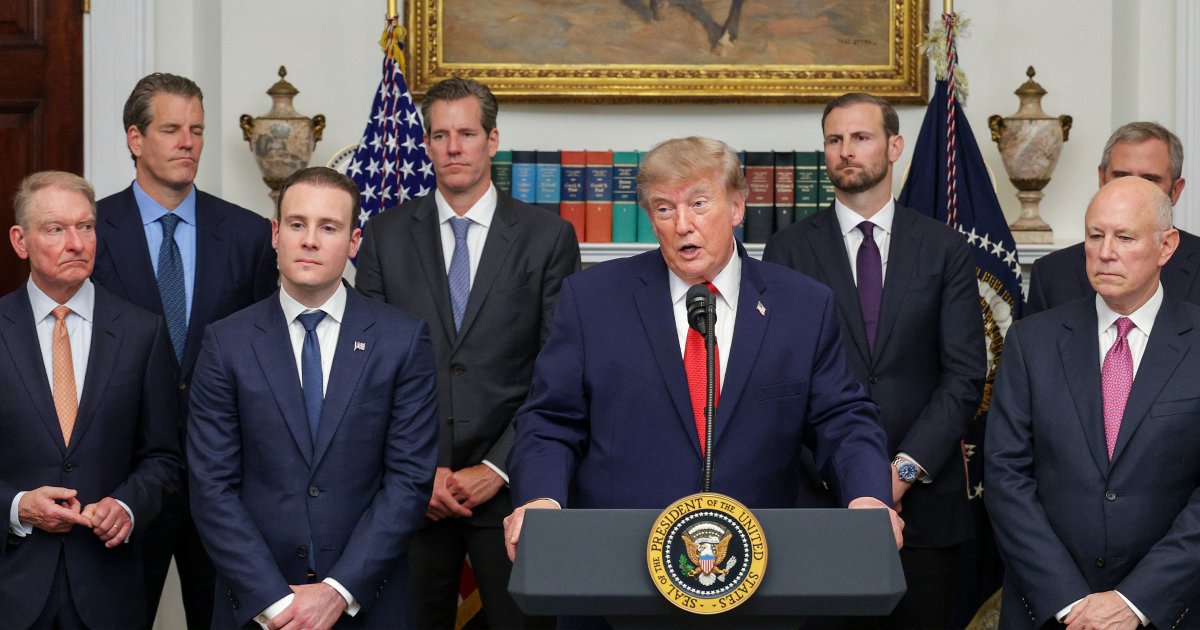
        <p>Under the previous Republican administration, the cryptocurrency sector gained significant momentum and a semblance of legitimacy. Major players in the crypto industry seized this opportunity to establish a foothold in American politics, particularly by aligning with Republican candidates during the midterm elections.</p>
    </section>

    <section>
        <h2>A Shift in Political Fortunes</h2>
        <p>However, the tides are turning for the cryptocurrency lobby as they face a Democratic majority in Congress. Despite investing an estimated $200 million in supporting Republican candidates during the recent elections, the anticipated return on investment was disappointing.</p>
        <p>One notable example is the substantial financial expenditure – over $55 million – directed towards defeating newly elected Ohio Senator Sherrod Brown. This situation marks the crypto lobby’s second confrontation with Brown, and current sentiments among many Democrats toward the industry appear to be unforgiving.</p>
    </section>

    <section>
        <h2>Industry Leaders Respond</h2>
        <p>In a candid assessment, pro-crypto Democratic Senator Ruben Gallego remarked: "they're f**ked." This statement encapsulates the industry's concern about its standing with the new political leadership.</p>
        <p>As the atmosphere grows more tense, the tone from crypto advocacy groups has noticeably softened. Cody Carbone, CEO of the Digital Chamber, emphasized the need for a shift toward an "education-first mindset" to rebuild relationships with Democrats, reflecting on the midterm results as a “wake-up call.”</p>
    </section>

    <section>
        <h2>Lessons Learned</h2>
        <p>Sheila Warren, former CEO of the Crypto Council for Innovation, criticized the financial assault on Democratic figures, including Senator Brown, describing it as "boneheaded." She noted that such displays of force, especially after losing, do not resonate positively within the political landscape.</p>
    </section>

    <section>
        <h2>The Future of Crypto in Politics</h2>
        <p>Looking ahead, the extent to which Democratic leaders will engage with the cryptocurrency sector remains uncertain. Interestingly, the latter days of the Biden administration witnessed attempts to foster a closer relationship with the industry, as some Democrats sought to persuade then-Vice President Kamala Harris to adopt a more favorable stance toward cryptocurrencies.</p>
        <p>During her presidential campaign in 2024, Harris made headlines by proposing a controversial initiative aimed at promoting cryptocurrency use among Black men, which many perceived as a capitulation to the pressures of significant industry funding.</p>
    </section>

    <footer>
        <p>As the cryptocurrency landscape continues to evolve, its relationship with political powers in the United States will undoubtedly demand careful navigation from stakeholders to align their goals with the shifting priorities of Congress.</p>
    </footer>
</article>