


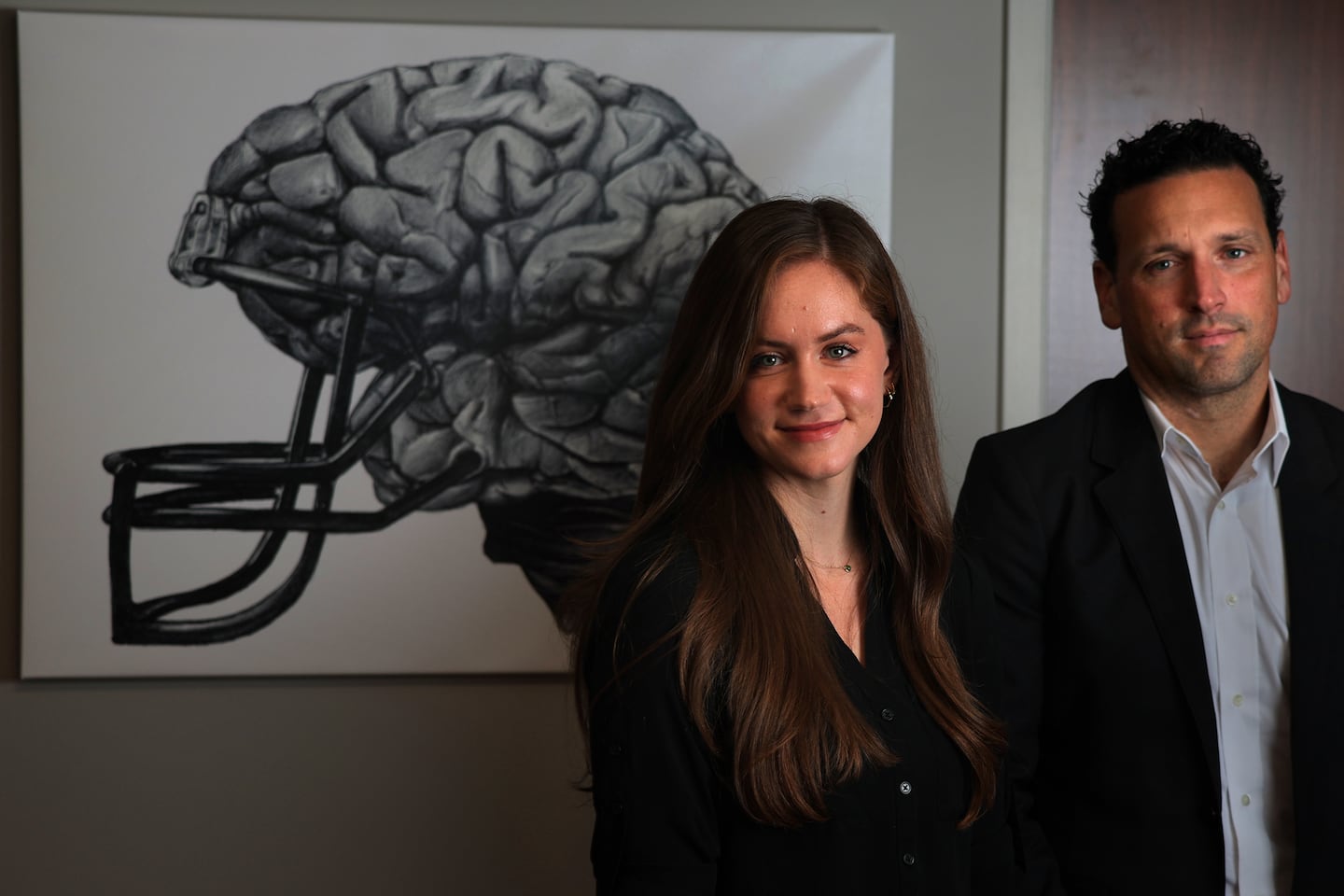
Advancements in Diagnosing Chronic Traumatic Encephalopathy (CTE)
Researchers at Boston University have made a significant breakthrough in the ongoing effort to diagnose chronic traumatic encephalopathy (CTE) in living individuals. According to Michael Alosco, co-senior author of a recent study and co-director of clinical research at the BU CTE Center, “This is a study of hope and optimism…a study that really brings us closer to being able to diagnose during life.”
Understanding CTE and Its Challenges
CTE is a progressive neurodegenerative disease that has been linked to a history of repeated head injuries, such as concussions and minor impacts. Currently, definitive diagnoses can only be made posthumously through brain tissue analysis, which has created challenges in understanding its prevalence and effects among the living. The particular risks of CTE in athletes, especially football players, have come under increasing scrutiny, especially following data indicating that nearly 75% of NFL players who died in a recent 15-year study had the disease.
Symptoms of CTE
Common symptoms associated with CTE include:
- Cognitive impairment
- Dementia
- Behavioral and mood changes
It is important to note that not all individuals with CTE will present symptoms, particularly in the early stages of the disease.
Recent Research Findings
The study involved examining blood samples from 21 football players, including individuals from professional, collegiate, and high school levels, who provided samples while alive and donated their brains after passing. Among these, 18 players were diagnosed with confirmed CTE, most at advanced stages.
Researchers focused on a specific protein in the blood thought to indicate the presence of tau tangles—features present in both CTE and Alzheimer’s patients. Alosco remarked, “What was really quite striking was just the difference…The high-stage CTE concentrations were just so much higher than anyone else.” The findings noted that athletes with advanced CTE had significantly elevated levels of this protein compared to those in earlier stages or without CTE.
Exploring Specific Biomarkers
While the study indicated the potential of using identified biomarkers to differentiate CTE from Alzheimer’s disease, researchers stressed that these findings are still in the “discovery phase.” Dr. Ramon Diaz-Arrastia from the University of Pennsylvania emphasized the study’s limited sample size and the need for further research to establish diagnostic thresholds.
The Path Ahead
Experts advocate for a broader analysis that includes diverse demographic groups beyond those studied, recommending that future iterations of this research monitor various populations over time. Derek Monroe, an assistant professor of exercise and sport science at UNC Chapel Hill, stated, “Before we know how this test performs, it must be studied in a broader group of people: those with and without a history of head impacts.” He noted that comprehensive diagnosis may ultimately require multiple assessment tools working in conjunction.
The BU team, which collaborated with colleagues at Banner Health in Arizona for this research, expressed optimism for the future. Alosco mentioned, “In a not so distant future, we’ll be able to do a larger one of these studies to validate it in a bigger sample.”
A Personal Impact
The significance of these findings is underscored by personal narratives from families affected by CTE. Janice McElroy recalled subtle changes in her husband Richard’s behavior before his diagnosis, stating, “I didn’t know what was going on.” Richard McElroy, who passed away at 74 after being diagnosed with stage IV CTE, contributed to the study through his brain donation.
His family expressed hope that their experience may contribute to understanding and diagnosing CTE more effectively in the future. “He’s helping other people,” said his daughter Kristina McElroy through tears.
Conclusion
This recent research marks a promising step toward improving diagnostics for CTE and understanding its effects on athletes and others at risk. As research continues to evolve, the potential for more effective detection and, ultimately, treatment strategies could pave the way for better outcomes for those affected by this debilitating condition.
For further information, please contact Allyson Chiu.
