


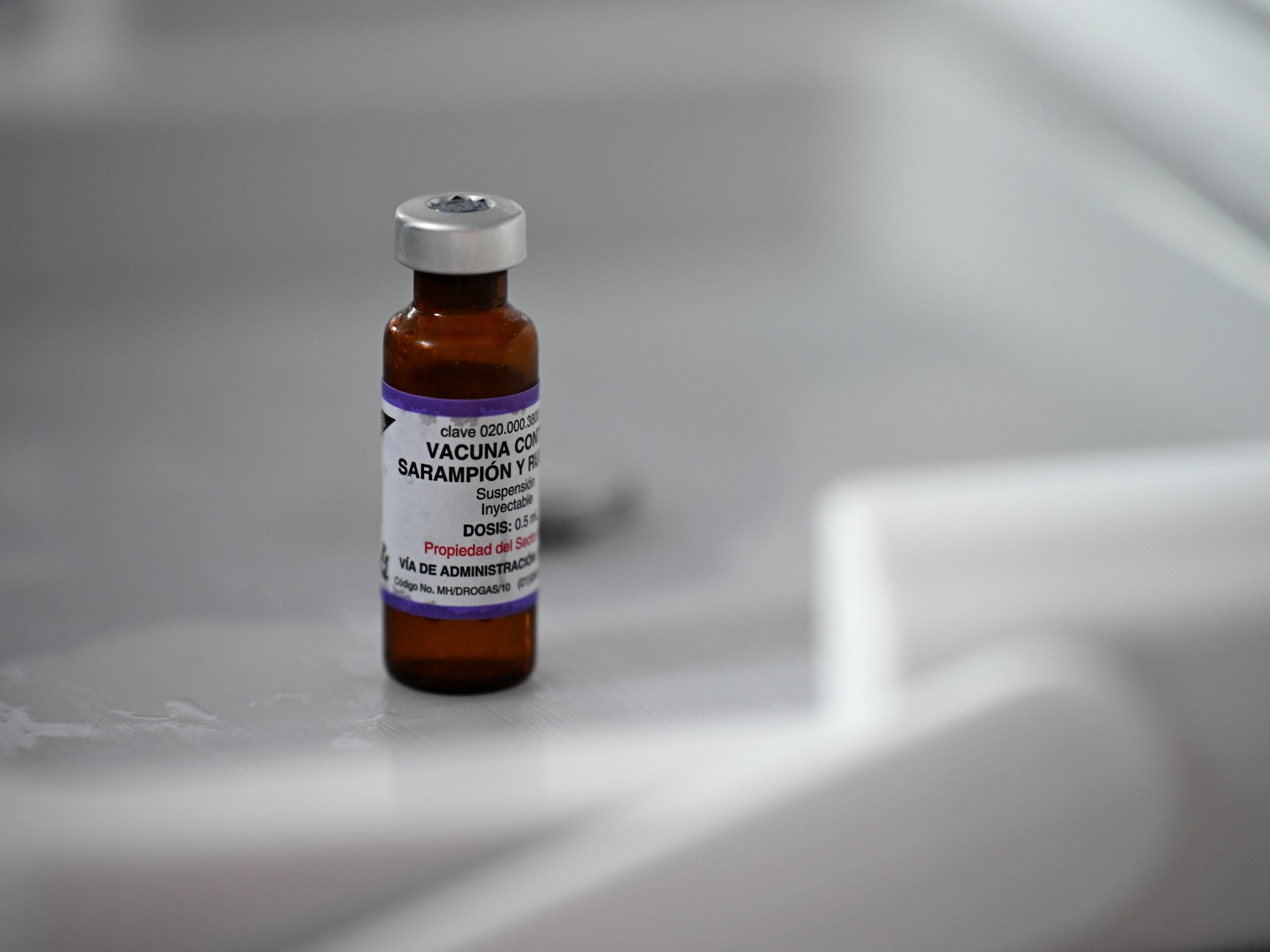
Pennsylvania Records Eighth Measles Death in 2026 Amid Outbreak
Pennsylvania officials have reported the eighth measles-related death in the state this year, following the death of an unvaccinated individual from Clinton County. This tragic event emphasizes the ongoing public health crisis as the United States recently lost its measles elimination status, which it had maintained for nearly 26 years.
Health Authorities Confirm Death and Elimination Status Loss
The Pennsylvania Department of Health (DOH) confirmed the death on Wednesday, indicating that it has been communicated to the Centers for Disease Control and Prevention (CDC). This incident comes at a critical time as the Pan American Health Organization (PAHO) announced the revocation of the US’s measles elimination status. This designation indicated that there had been no continuous circulation of a single measles strain in the country for at least 12 months.
A Growing Outbreak in the United States
The current outbreak in the U.S. is the most significant in over thirty years, with the CDC reporting 5,412 confirmed cases as of November 12. In Pennsylvania specifically, there have been 1,589 recorded cases across 46 out of the 67 counties. The state’s health department has been actively responding to this outbreak.
State Response to the Outbreak
In light of the outbreak, approximately 300 DOH staff members are engaging with communities, healthcare providers, and local organizations to promote access to factual information and vaccination services. The department reported administering more than 11,500 doses of the measles, mumps, and rubella (MMR) vaccine this year, with over 7,200 doses given at pop-up clinics since the outbreak began in late April.
Vaccine Hesitancy and Public Perception
Experts suggest that a rise in vaccine hesitancy in recent years has contributed significantly to the increasing number of measles cases. Measles is notably contagious; it can spread rapidly, particularly through respiratory droplets when an infected person coughs or sneezes. Research indicates that the virus can remain airborne for up to two hours, with approximately 90 percent of non-immune individuals likely to contract it upon exposure.
Political Context and Public Statements
The role of political figures in influencing public perception of vaccines has also been scrutinized. Health Secretary Robert F. Kennedy Jr., during his tenure, raised questions about vaccine safety and efficacy, including claims that lack scientific substantiation. Despite this, he recently encouraged vaccination in light of the PAHO’s announcement, asserting, “We will stop measles outbreaks, protect American families, and work to regain U.S. measles elimination status.”
CDC Director Erica Schwartz reiterated the importance of vaccination, stating, “The measles elimination designation is not what protects Americans. Vaccination does.”
