


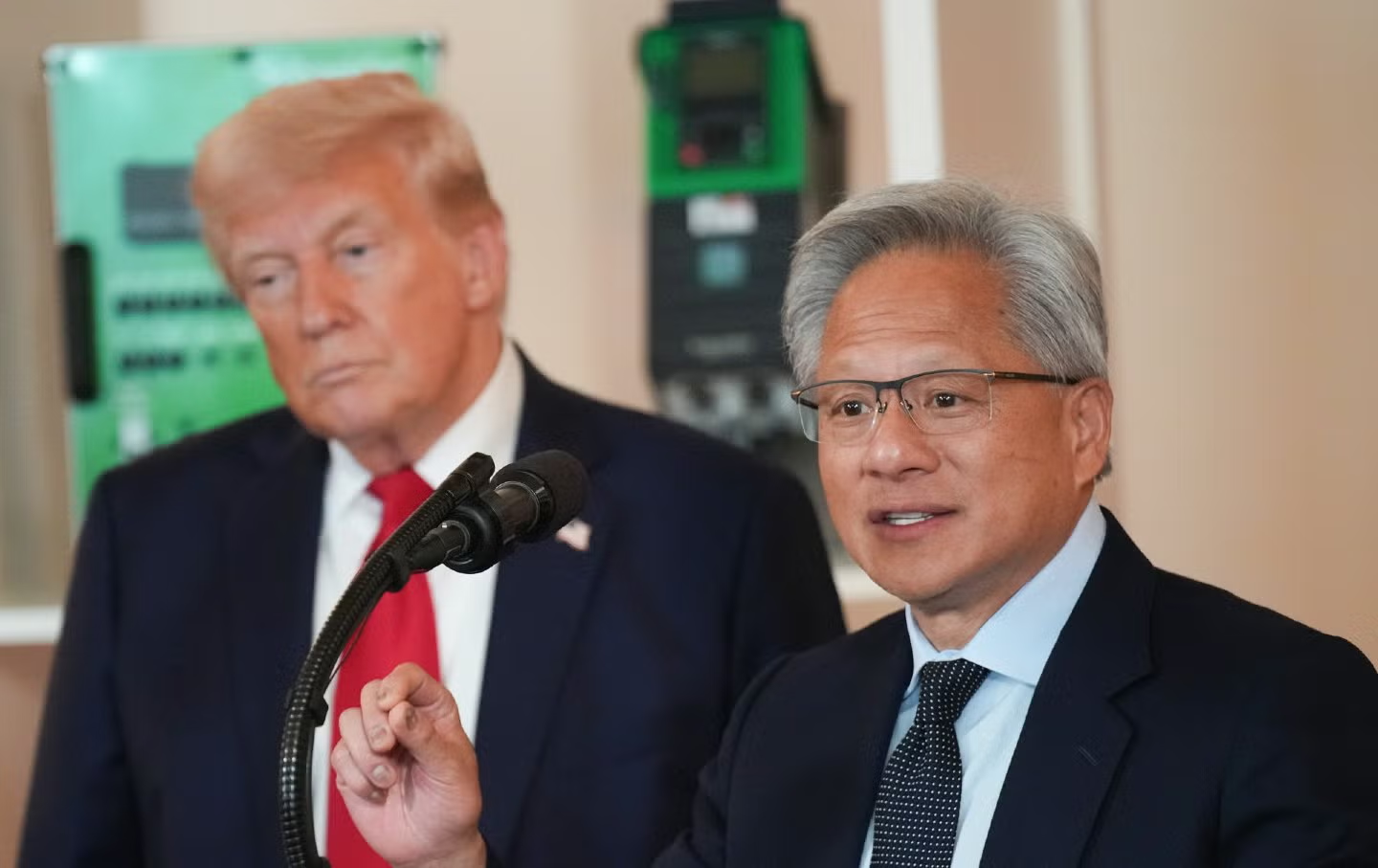
The Impact of Jensen Huang’s Resignation on U.S.-China Relations and the AI Industry
Politics / November 18, 2026
The recent resignation of Jensen Huang from Nvidia, amidst allegations surrounding his personal life and ties to an alleged Chinese spy, marks a significant shift in the landscape of artificial intelligence and U.S.-China relations. This development has led to a complex interplay of interests between national security and technology sectors.
Resignation and Its Implications
Huang’s departure from Nvidia elicited mixed reactions, especially among progressives who may see it as a victory over the tech elite. However, this view oversimplifies the scenario, as it is less about a triumph of the populace over corporate power and more about a struggle among the elite factions within Silicon Valley and Washington, D.C.
National Security and AI: A Complex Relationship
The wider ramifications of Huang’s exit stem from a vigorous convergence of interests between national security advocates and the AI industry. U.S. leaders in national security believe that strong foundations in advanced semiconductors and AI technology are crucial for maintaining an edge in the geopolitical contest with China. This dynamic raises concerns about the implications of these technologies on military advantages and economic growth.
Challenges for Nvidia
Nvidia has traditionally enjoyed its profits from the domestic tech market; however, Huang’s leadership also explored avenues for significant revenues from Chinese firms, creating inherent contradictions. If Nvidia were allowed greater access to the Chinese market, it could command higher prices. This standing contrasts with the positions held by competitors like OpenAI and Anthropic, who see Chinese AI firms strictly as competitive threats.
Regulatory Changes Post-Resignation
The shift in power dynamics has prompted a stronger push for tighter restrictions on Chinese firms accessing U.S. chip technology. Following Huang’s resignation, national security hawks are likely to gain traction for their efforts to solidify these restrictions. The Trump administration’s prior leniency towards Huang and his lobbying for leniency now stands countered by pressures from those advocating for a more aggressive stance toward China.
The Broader Impact on U.S.-China Relations
The escalating tensions surrounding chip technology restrictions have already created rifts in U.S.-China relations. China’s government publicly condemned the restrictions as attempts to stifle its legitimate developmental aspirations. Such grievances mirror similar historical patterns and have even led to retaliatory measures from China regarding the export of rare earth minerals.
The Future of AI Development
Huang’s downfall raises challenging questions about the trajectory of the AI landscape. The U.S. faces a critical moment where aligning economic goals with a sustainable and cooperative international approach is necessary. The solution lies not in furthering the confrontation but in fostering a broader economic framework that encompasses diverse industries beyond mere technological competition.
Conclusion
Ultimately, while Huang’s resignation is a pivotal moment in the ongoing saga of U.S.-China relations and the AI industry, it illustrates a much larger and more intricate narrative of elite power struggles. As pressures escalate, it is imperative for stakeholders to consider new pathways that prioritize stability and growth without succumbing to cycles of retrogressive competition.
