


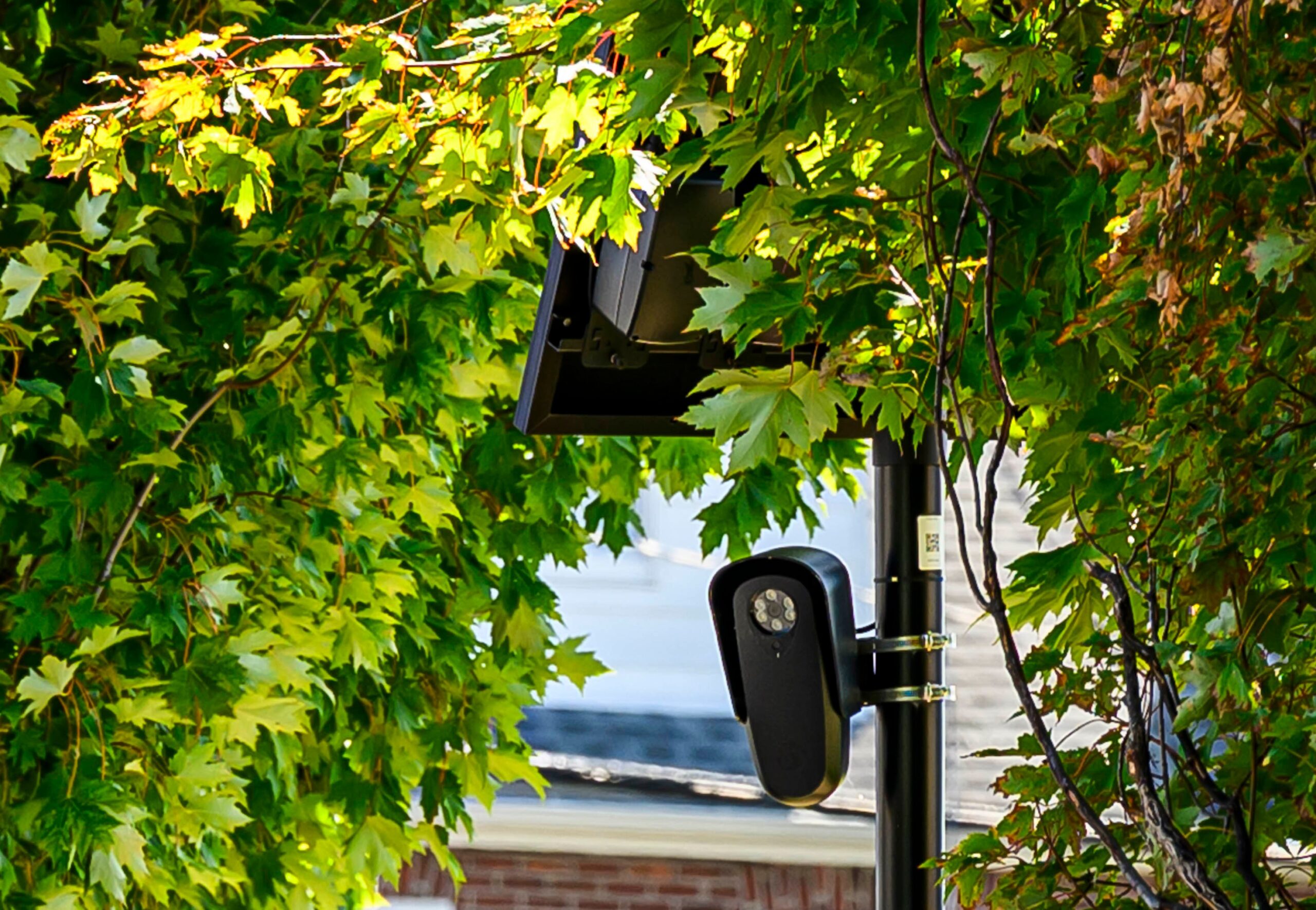
Balancing Privacy and Public Safety in Pennsylvania
By Scott Bohn and Patrick Molloy
The Context of the Debate
Recent discussions surrounding opposition to Flock Safety cameras and automated license plate readers (ALPRs) have reignited a crucial dialogue in Pennsylvania. The central question remains: How can individual privacy be protected while equipping law enforcement with necessary tools for community safety?
This ongoing conversation often presents a false dichotomy of choosing between public safety and personal liberties. The reality is that Pennsylvania has the capacity to honor both aspects.
The Role of Automated License Plate Readers
ALPRs serve as significant assets for law enforcement agencies. They capture vehicle and license plate data, assisting in investigations connected to serious incidents such as violent crimes, missing persons, and vehicle theft.
In an era where police departments face staffing shortages and increasing demands, ALPR technology can compensate for limited personnel, facilitating connections across different jurisdictions and improving the efficiency of investigations.
In cases involving urgent matters like missing children or fleeing suspects, timely data can play a pivotal role in advancing investigations.
Privacy Concerns and the Need for Regulation
ALPR data is not a determinant of guilt, nor should it replace conventional policing methods. Instead, it serves as a lead that trained officers must further investigate while adhering to constitutional protections. Therefore, concerns about government surveillance, data retention, and potential misuse must be taken seriously.
Citizens rightfully question the protocols governing their data: who has access, how long information is stored, and what measures are in place to prevent unauthorized use. Law enforcement should encourage these inquiries to foster public trust.
Advocating for a Consistent Framework
The Pennsylvania Chiefs of Police Association has advocated for a uniform state policy to manage ALPR technology’s deployment. In a recent presentation to legislative committees, officials proposed that rather than eliminate these tools, Pennsylvania should focus on regulating their responsible use.
Current discussions in the General Assembly, including House Bill 2771, aim to risk a balance by establishing standards for ALPR usage. Essential components of these regulations may include:
- Defined authorized uses
- Reasonable data retention periods
- Access control measures
- Documented audit practices
- Vendor responsibilities
- Enforcement of consequences for misuse
Ensuring Balanced Oversight and Accountability
It is crucial for law enforcement personnel to be adequately trained and for ALPR access to be restricted to legitimate law enforcement activities. Additionally, the public should have access to comprehensible policies and oversight reports without compromising ongoing investigations.
However, regulations must also reflect the practicalities of real-time investigations. An excessively narrow set of qualifying offenses or overly short data retention periods can hinder the identification of crime patterns and disrupt crucial leads.
Legislative measures should acknowledge the difference between creating investigative leads and accessing information that necessitates stricter legal oversight, especially in emergencies.
Conclusion: The Path Forward
The collective aim of Pennsylvania’s police chiefs is not to seek unchecked surveillance authority but to endorse clearly defined rules, effective oversight, and the use of tools that aid in solving crimes and safeguarding victims.
This dialogue is not solely about Flock Safety cameras but encompasses all vendors handling sensitive law enforcement information. Accountability in cybersecurity, data sharing, and compliance with standards is essential.
Ultimately, promoting public safety does not inherently oppose civil liberties. Building public trust requires responsible governance of police authority. The Pennsylvania Chiefs of Police Association is prepared to collaborate with lawmakers, privacy advocates, and community leaders to ensure both privacy rights and effective policing practices are maintained.
The pressing question for Pennsylvania is not whether to choose privacy over public safety but how to achieve both simultaneously.