


The Complex Relationship Between Small Businesses and Influencers
Case Study: Brews and Mews
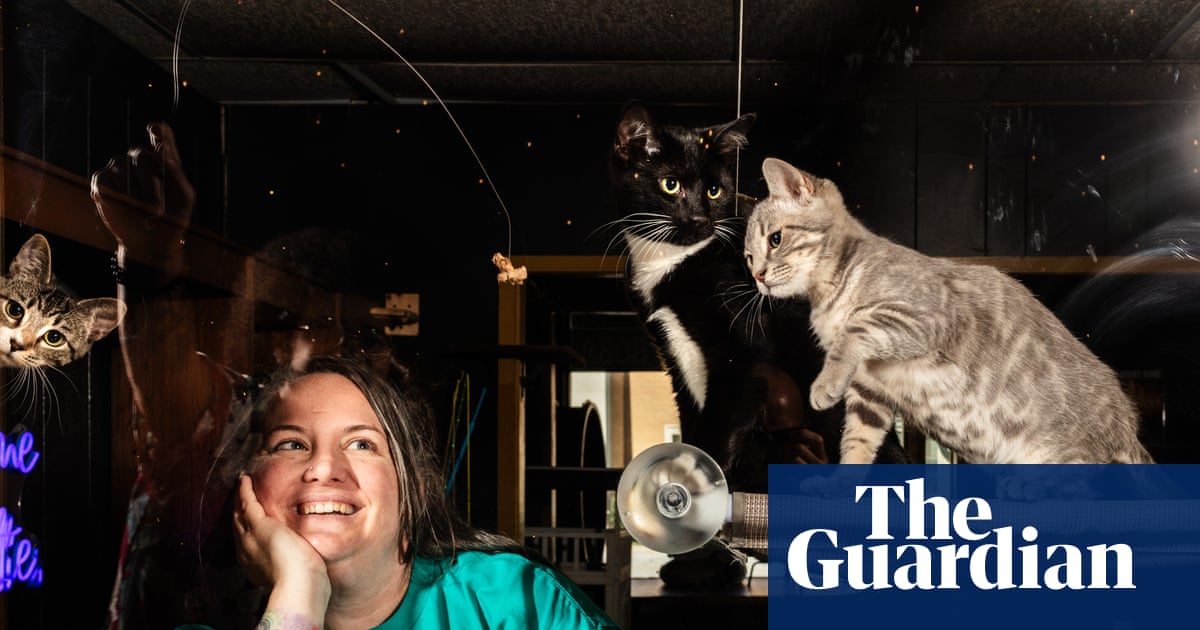
Nicole Flanagin, the owner of Brews and Mews, a cat cafe in Lenoir, North Carolina, found herself at the center of an influencer controversy. While battling personal and professional challenges, she received a message early one March morning about a TikTok video review from a local influencer. The post criticized her cafe for not allowing her child entry due to an alleged misunderstanding of the cafe’s hours.
The influencer, who had over 170,000 followers, recounted her experience in a way that portrayed the staff unfavorably. Flanagin identified her cafe instantly, but was perplexed since no staff members reported any issue and no official complaint was lodged.
Investigating the Incident
Concerned about the potential repercussions on her business, Flanagin reviewed the cafe’s CCTV footage. The footage revealed a brief interaction between the influencer and her staff, contradicting the influencer’s account that depicted a disgruntled employee. In response, Flanagin shared the video on Brews and Mews’ TikTok page, garnering over 640,000 views. The influencer later deleted her video and apologized, acknowledging that her emotions clouded her judgment.
Wider Implications of Influencer Culture
This incident highlights a growing tension between small business owners and influencers. On one hand, businesses often rely on influencer marketing as a cost-effective way to reach audiences and increase sales. However, poor behavior from influencers can lead to negative fallout for small enterprises.
A telling example is singer Kelly Clarkson’s public complaint about a Brooklyn shop, which was met with a response from the business that included posted surveillance footage to counter her claims. Such scenarios emphasize the delicate balance small businesses must maintain in their relations with influencers.
The Financial Risks
According to Forbes, the influencer economy is valued at $250 billion and is predicted to double by 2027. However, businesses must tread carefully when engaging with influencers, as misbehavior and entitlement can lead to reputational harm and financial losses. Small business owners like Lucy Herron of the shoe brand Sloafer express frustration over expecting influencer posts in return for provided products, only to receive subpar publicity.
- Influencer expenses can strain small budgets.
- Unreciprocated promotional efforts lead to hesitance among business owners.
- Influencers’ unpredictable schedules can complicate marketing campaigns.
Turning the Tables
Some businesses are beginning to take a stand against influencer demands. For instance, Borough Market in London tightened rules regarding influencer activity after complaints about disruptive behavior from creators. The market’s new regulations require permits for filming and limit the size of influencer crews, a move hailed by some as a necessary shift towards prioritizing paying customers over content creators.
Conclusion
As small business owners navigate the complexities of their relationships with influencers, striking the right balance becomes crucial. Flanagin continues to embrace her cafe’s mission, stating, “I don’t regret defending myself,” emphasizing the importance of authenticity amid the noise of social media. The relationship between entrepreneurs and content creators is evolving, but challenges such as misrepresentation, entitlement, and the quest for exposure persist. As the influencer landscape continues to develop, both sides must adapt to ensure mutual benefit.
