


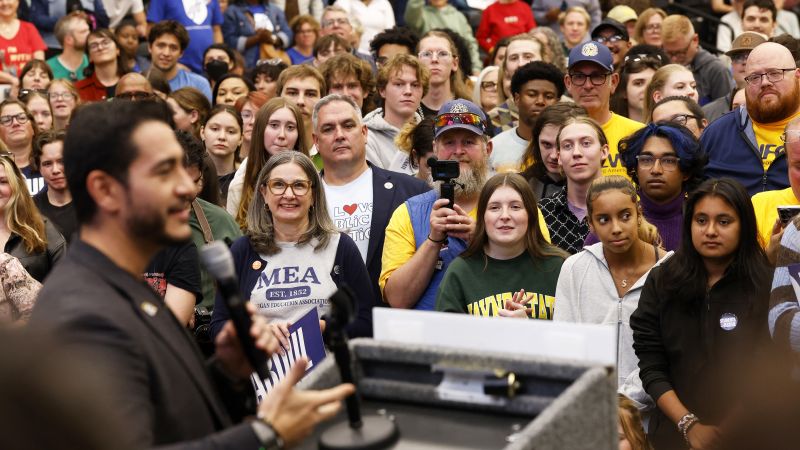
Midwestern Political Landscape: A Potential Shift Towards Democrats
Cincinnati — Recent developments indicate that Democrats may be on the path to regaining influence in the Midwest. Rising concerns over economic conditions coupled with skepticism about President Donald Trump’s ability to redirect the nation’s trajectory could loosen the grip of the GOP on working-class voters.
Shifting Political Dynamics
As the Trump era matures into its second decade, political sentiments across key battleground states are evolving. States like Iowa and Ohio, once solidly Republican since Barack Obama’s presidency, now show signs of competitiveness. Even traditionally strong Republican territories such as Kansas, Nebraska, and Indiana are witnessing increasingly tight races across various levels of government, from the House of Representatives to Senate seats and gubernatorial offices.
Economic Concerns at the Forefront
The agricultural and manufacturing sectors, critical to the economies of these states, have been particularly affected by Trump’s policies, including his contentious trade battles and foreign relations. These economic challenges have put many voters on edge, especially as they contend with soaring prices for fuel, groceries, and rising interest rates. Farmers are struggling with increased fertilizer costs due to tariffs, while some manufacturers face layoffs due to higher expenses associated with imported materials. Furthermore, cuts to healthcare and grant programs are intensifying these economic pressures.
Demands for Change
Frustrations over unfulfilled promises, particularly around revitalizing the manufacturing sector, have sparked a desire for change among voters. Steve Kuiper, President of the Iowa Corn Growers Association, reflects this sentiment, stating, “I think everybody in agriculture is tired, would be the best way to put it. They’re just tired.” The cumulative effect of these dissatisfaction and economic pressures could provide Democratic candidates with an opening to gain ground.
Political Leaders Take Note
Several Democratic candidates are capitalizing on the growing discontent. Beau Bayh, from a notable Indiana Democratic family, expressed, “A lot of the promises the president made to bring costs down, to not start new foreign wars, to deliver on his economic message, have not come to fruition.” His potential victory in the Indiana secretary of state race may mark a significant change for the party in the state.
Implications for the GOP
Trump is acutely aware of how pivotal midterm elections can serve as a referendum on the ruling party. His own experience in 2018, wherein Republicans lost their House majority despite maintaining control of the Senate, raises alarms for GOP leaders as they witness similar patterns emerging in the current election cycle.
On the Campaign Trail
The differing strategies of Trump and Democratic figures highlight the urgency of the political climate. The president is scheduled to campaign vigorously in battleground states, including visits to Michigan, Ohio, and Iowa, aiming to shore up support among Republicans. Conversely, former President Obama is also rallying for Democratic candidates in these areas.
Voter Sentiment and Electoral Outcomes
Polling suggests that while voters are critical of the Democratic Party, there is a willingness to express discontent with the current Republican leadership. This shift could lead to significant electoral changes in the Midwest. Tom Vilsack, a former governor of Iowa, noted, “They want to send a message of disappointment. When you’re upset with someone, you want to find a way to send a message.”
Looking Towards the Future
The upcoming elections will not only clarify the fate of individual candidates but will also reveal the broader political realignment within the Midwest. Democrats are eyeing critical Senate and House races as potential pathways to reclaim lost ground. Immigration policies, economic proposals, and healthcare reforms are among the key issues driving voter motivations this election season.
As the election approaches, both parties are aware that the stakes are high and the shifting political winds could dictate the direction of governance in these key states for years to come.
