


Elon Musk Ventures into AI with Grok Imagine’s Adaptation of Homer’s The Odyssey
Elon Musk, known for his ambitious promises, has historically faced criticism for failing to deliver. According to MuskOmeter, a platform tracking Musk’s pledges, his success rate stands at approximately 24%. Yet, amidst skepticism, one of his more lighthearted commitments made earlier this year has successfully materialized.
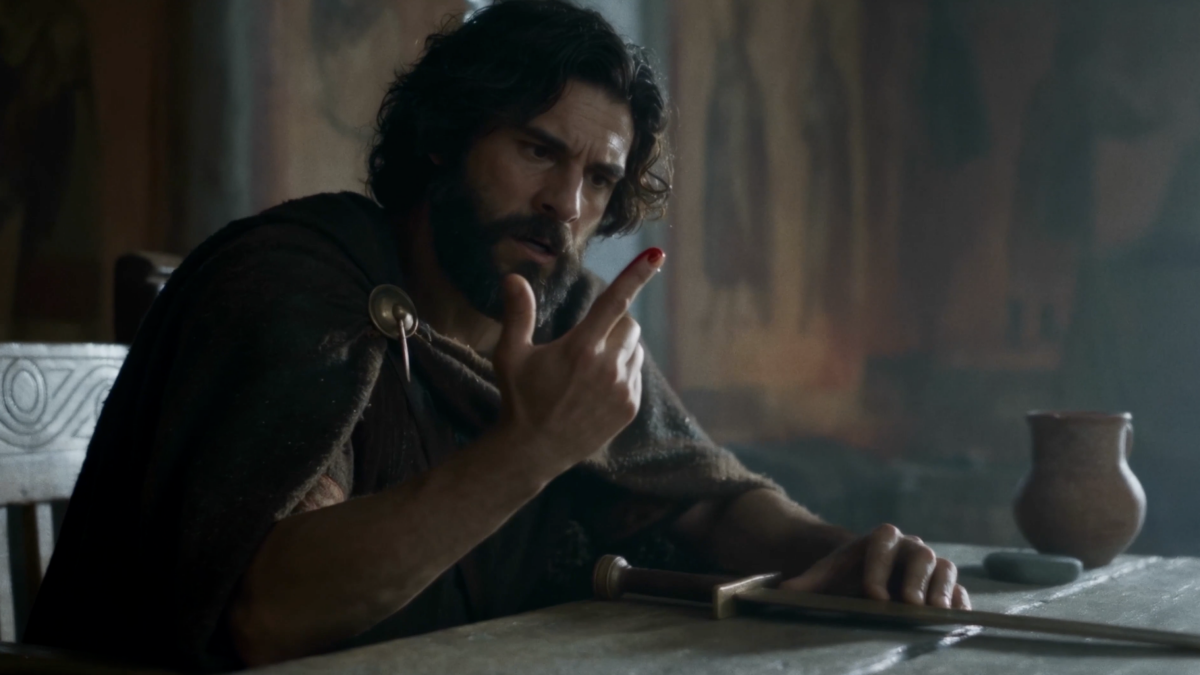
On a recent Friday, Musk introduced the first episode of an AI-generated adaptation of Homer’s epic poem, The Odyssey. This project is using Grok Imagine, an AI video generator developed by Musk’s company, xAI. The initiative is a collaboration with Wonder Studios and director Dev Walker, both specializing in generative AI filmmaking.
Background of the Project
Musk initially announced his intention to create a full-length Odyssey movie back in July. In a post on X (formerly Twitter), he asserted that Grok Imagine would deliver a rendition that would be “historically accurate and true to the art of Homer” before the year concluded.
This declaration followed a prolonged critique of Christopher Nolan’s adaptation of The Odyssey, which had garnered significant attention. Many commentators, including Musk, raised concerns regarding its historical fidelity, notably questioning the design of certain armors seen in the film’s trailer, which some perceived as more Roman than Greek.
Controversial Cast Choices
Musk’s criticism intensified with the casting decisions in Nolan’s film, particularly the selection of Lupita Nyong’o as Helen of Troy and Elliot Page as Sinon. Musk publicly expressed his discontent over these roles, suggesting that Nyong’o, a Black actress, was miscast in the role of the archetypal beauty in ancient lore. He stated on X that Nolan had “lost his integrity” due to these choices.
Beyond the casting of Helen, Musk also took issue with Page’s role. Misunderstandings about character assignments led to speculation regarding Page portraying Achilles; however, Page actually played Sinon, a character from Virgil’s Aeneid, which is broadly regarded as a Roman adaptation of the Trojan War narrative.
Despite the backlash against the casting choices, Nolan’s The Odyssey exceeded expectations, grossing over $1.7 billion worldwide since its release in July, significantly outperforming predictions of failure due to its cast.
The Grok Adaptation: A Mixed Reception
Elon Musk’s AI-generated retelling, which debuted recently, is receiving a lukewarm response. The first episode is approximately seven minutes long and illustrates the Greeks’ arrival at Troy. However, critiques highlight that all characters depicted are white and that visual aspects typical of generative AI—such as unrealistic features and awkward textures—are prevalent throughout the short film.
In addition, the narrative delivery lacks clarity, potentially confusing viewers unfamiliar with the source material. Odysseus is the only named character within the brief runtime, making it difficult for audiences to identify other significant figures without prior knowledge of the original tale.
Generative AI vs. Human Creativity
Christopher Nolan has expressed skepticism regarding the potential of generative AI to replace human creativity, deeming the concept as “nonsense.” His views contrast with Musk’s innovative pursuits, which seek to harness AI for storytelling.
Looking Ahead
As Musk’s Grok Imagine adaptation gains attention, audiences may find themselves questioning the merits of AI-generated content versus traditional filmmaking. Meanwhile, Nolan’s acclaimed film will soon become available for digital release on November 17, and has prompted a re-examination of older adaptations, like Wolfgang Petersen’s Troy, which recently regained cultural relevance following Nolan’s box office success.
Ultimately, while Musk’s AI project marks an intriguing leap into generative filmmaking, it remains to be seen how it will stand up against time-honored adaptations that have resonated with audiences for nearly three millennia.
