


Saudi Arabia’s Controversial Execution of Minor Offender
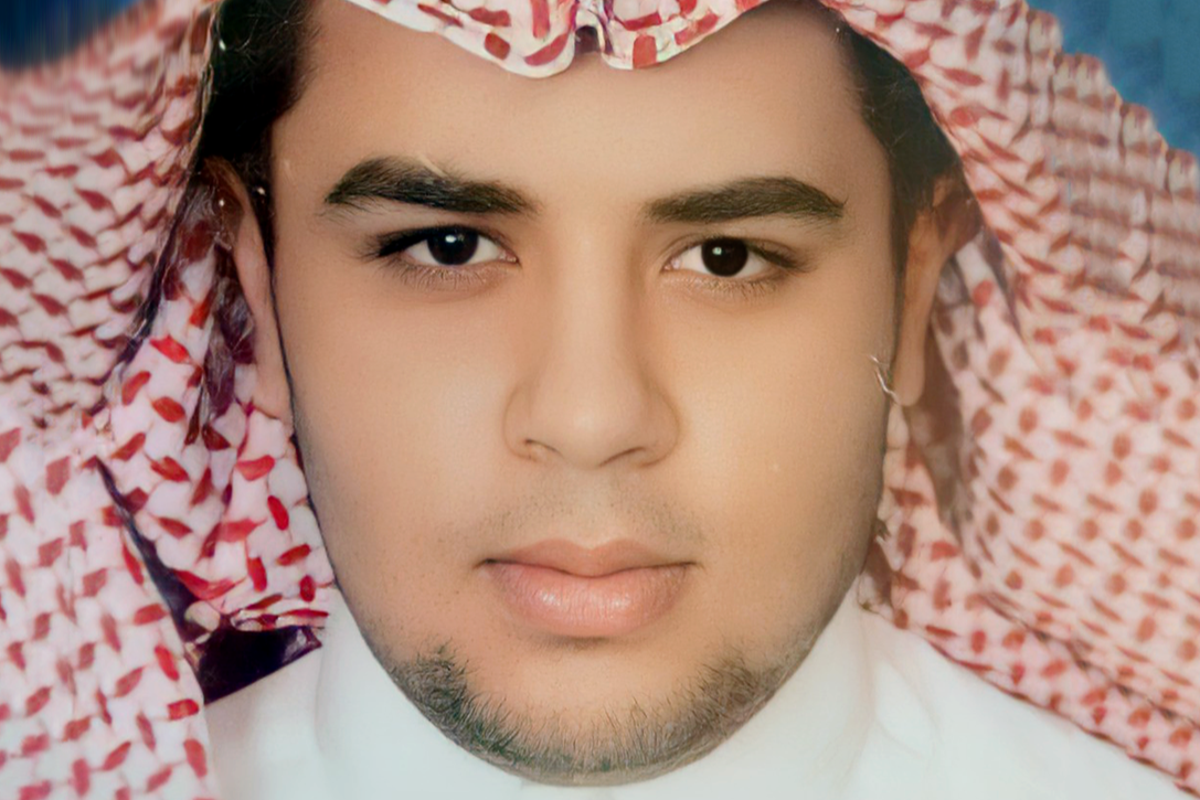
In a case prompting international outrage, Saudi Arabia executed Hassan Zaki al-Faraj on October 17, 2023, for offenses committed when he was just 14 years old. This action raises serious questions about the country’s commitment to reforming its penal system concerning minors.
Background of the Case
Al-Faraj, who was 29 at the time of his execution, was condemned for his involvement in protests advocating for the rights of the Shia Muslim community in Saudi Arabia. He was executed alongside four other individuals linked to the same protests, indicating a broader crackdown on dissent within the kingdom’s Eastern Province.
Conditions of Imprisonment
Reports from the MENA Rights Group reveal that during his imprisonment, al-Faraj endured severe torture, prolonged solitary confinement, and limited communication with the outside world, raising significant human rights concerns.
Human Rights Group Reactions
Human rights advocates, including Jeed Basyouni from Reprieve, contend that the Saudi government’s claim of having abolished the death penalty for crimes committed by minors in 2020 is fundamentally flawed. “Saudi Arabia’s claim to have abolished capital punishment for childhood crimes was always a lie, but they have now abandoned all pretense,” Basyouni stated.
Impending Danger for Other Minors
Another individual, Youssef al-Manasif, now 30, faces the threat of execution for actions taken during protests when he was just 15. He was arrested in 2017 and has since been charged with several offenses related to protests, including participation in gatherings deemed threatening to state stability.
Al-Manasif’s legal situation is dire, with allegations of coercion and torture leading to a false confession, compounded by the fact he did not meet his lawyer until 2022—five years post-arrest. Like al-Faraj, he was sentenced to death following a trial perceived as unfair.
The Broader Context of Executions in Saudi Arabia
Saudi Arabia’s methods of capital punishment have garnered global attention, particularly due to their approach involving execution by beheading. A 2025 report by the European Saudi Organisation for Human Rights indicated a record high of 347 executions in 2025, primarily for crimes that do not meet the strict international legal criteria for capital punishment. Amnesty International notes that nearly 100 executions have occurred in Saudi Arabia this year alone.
Call for International Intervention
Basyouni and other human rights advocates are calling on the UK and other international partners of Saudi Arabia to intervene in Youssef al-Manasif’s case. They emphasize the necessity for diplomatic advocacy, as intervention has previously led to the commutation of death sentences for minors.
In 2021, three men who had been sentenced for crimes committed as minors were re-sentenced to a decade in prison following diplomatic pressure. However, concerns remain regarding the British government’s reluctance to challenge Saudi Arabia on its capital punishment practices, with allegations suggesting that economic interests may influence political stances.
Conclusion
The recent execution of Hassan Zaki al-Faraj starkly highlights the ongoing challenges in Saudi Arabia’s judicial treatment of minors and the international community’s response to human rights violations. As this situation develops, immediate action is needed to protect vulnerable individuals still facing the death penalty.