


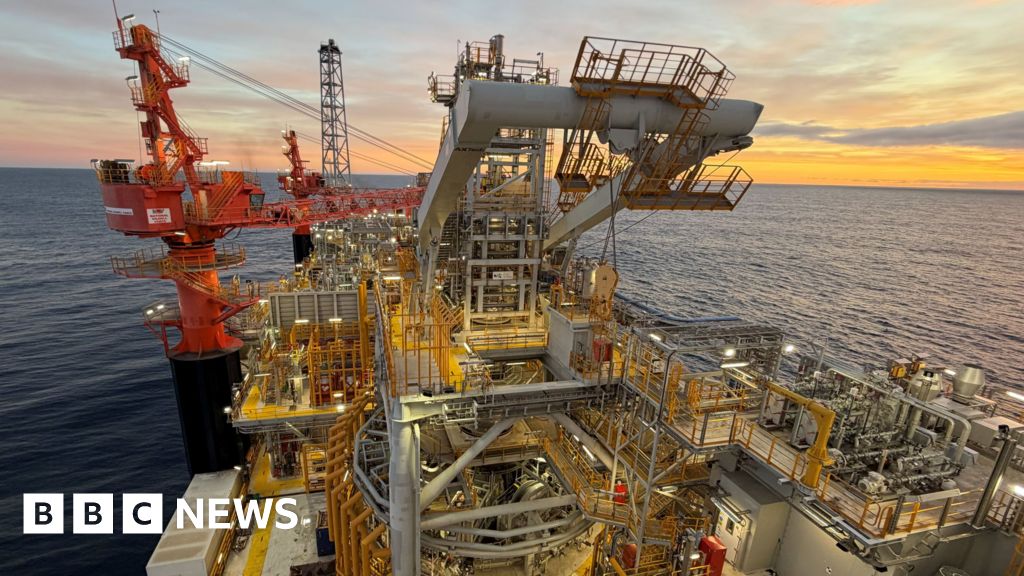
Rosebank Oil Field: Navigating Political Challenges
Introduction
Located off the coast of Shetland, the Rosebank oil field is at the center of a significant political dialogue in the UK, particularly concerning energy policy and environmental impact. As energy demands continue to escalate, the future of this site remains contentious.
The Role of Rosebank
Rosebank is estimated to hold around 300 million barrels of recoverable oil. When operational, it promises to be a substantial contributor to the UK’s energy portfolio. The field’s development is anticipated to create numerous job opportunities and bolster the economy.
Political Landscape
The pursuit of energy security has heightened interest in Rosebank, putting it at the forefront of discussions about fossil fuel reliance in a time of climate change. The UK government has emphasized the necessity of domestic oil production, positioning Rosebank as a pivotal player. However, opposition from environmental groups raises pressing concerns about potential ecological damage.
Environmental Considerations
Critics argue that tapping into the Rosebank field runs counter to commitments made to reduce greenhouse gas emissions.
Key points of contention include:
- Impact on marine biodiversity
- Potential oil spills and their consequences
- Contribution to climate change through fossil fuel combustion
These factors have led to calls for a more sustainable approach to energy sourcing and have fostered a broader debate about the future of fossil fuels.
Industry Perspectives
Supporters within the oil industry assert that developments like Rosebank are essential for meeting energy needs while transitioning to renewable sources. By leveraging existing infrastructure, they argue, the UK can maintain energy independence during the shift towards greener alternatives.
Public Sentiment
Public opinion is divided, with many citizens acknowledging the need for reliable energy sources while also expressing concern for the environment. This balancing act influences policymakers as they navigate the complexities of energy strategy in light of both economic and environmental imperatives.