


Key Outcomes from COP31: Addressing Climate Challenges
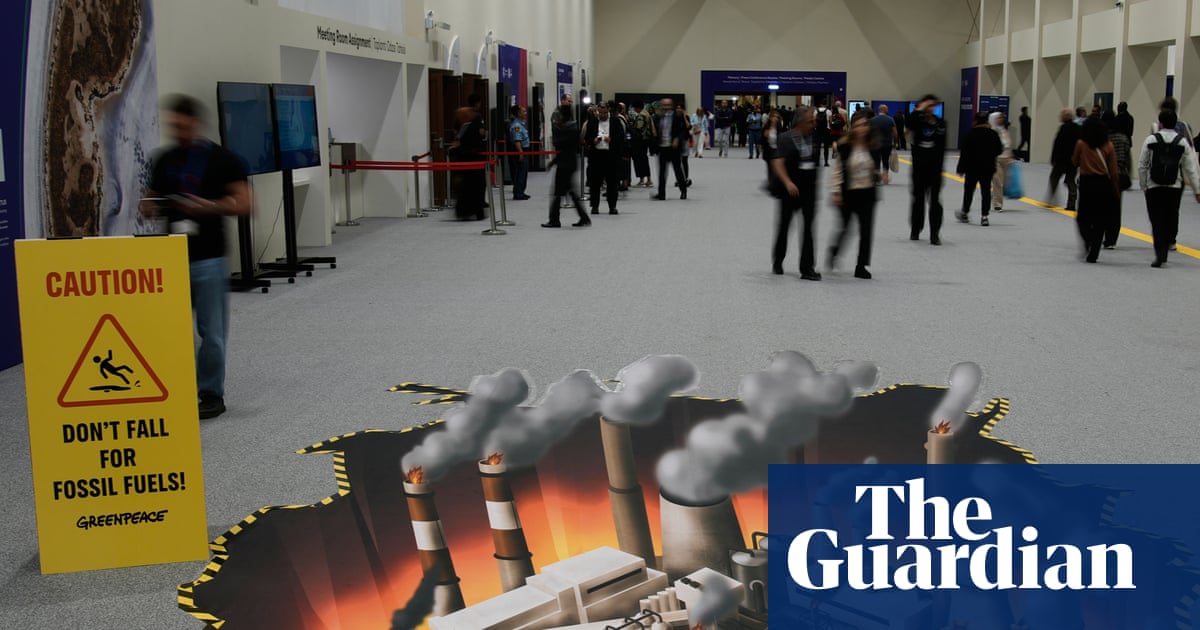
Fossil Fuels Remain a Central Issue
The discussions at COP31 recently encountered significant obstacles due to conflicting stances on the acknowledgment of fossil fuels in the final agreements, famously dubbed the “Antalya pact.” Some nations resisted any reference to fossil fuels, while others insisted it be included, leading to stalemates.
This absence of discourse on fossil fuels at a climate conference raises eyebrows, as it is widely recognized as a primary contributor to global warming. A coalition comprising approximately 130 countries, including the European Union, the UK, and numerous developing nations, advocated for an explicit commitment to “transition away from fossil fuels.” While these efforts were unsuccessful, the issue is far from resolved, especially following the commitments made at COP28 in Dubai, which emphasized the need for fossil fuel reduction.
The Importance of Climate Finance
Although a significant proportion of the coalition advocating for fossil fuel transition consisted of developing nations, many prioritized financial concerns over fossil fuels during COP31. Economic crises exacerbated by the COVID-19 pandemic, inflation, and climate-induced disasters have left numerous countries grappling with heavy debt burdens.
These nations often find themselves allocating resources towards managing climate impacts rather than towards essential sectors like health and education. Promises from rich nations to provide climate finance to support adaptations and transitions to low-carbon economies remain unmet, leading to frustration among poorer countries. The pledges made at COP29 in Baku, which include $300 billion a year by 2035 from public sources and $1 trillion from private sectors, have not been materialized as expected.
Understanding the Temperature Overshoot
Current global temperatures have surpassed 1.5°C above pre-industrial levels—a potentially lasting reality without immediate and robust action. This scenario complicates discussions within the framework of the Paris Agreement, which seeks to maintain temperatures “well below 2°C” while striving for the more ambitious target of 1.5°C.
For the first time, COP31 acknowledged the concept of “overshoot” related to the 1.5°C threshold, initiating dialogues aimed at addressing this critical issue. However, no concrete agreements were reached on actionable steps.
The Role of Presidency in Climate Negotiations
In climate summits, the role of the presidency is pivotal, although often presented as a facilitator for a “party-driven process.” COP31, featuring dual presidencies, illustrated how coordination challenges can arise, particularly during time-sensitive negotiations. The prolonged timelines from draft sessions highlighted difficulties in achieving swift consensus among 195 participating countries.
Electrification as a Key Strategy
Decades of advocacy for renewable energy as an alternative to fossil fuels are beginning to pay off, amplified by significant price drops in technologies such as solar panels, wind turbines, and batteries. Fossil fuel volatility has further underlined the necessity for a transition.
However, power generation represents only a fraction of fossil fuel consumption. The broader sectors of transportation, heating, and industrial processes require similar decarbonization efforts. Electrification emerges as a crucial solution, as advancements in electric vehicle technology and heat pumps demonstrate their capacity for cost-effectiveness and efficiency. Although a target of 35% electricity generation by 2035 was not agreed upon at COP31, the topic was brought to the forefront of discussions.
Addressing Persistent Divides
Consensus-building is essential in COP negotiations, seeking widespread satisfaction among countries. However, COP31 revealed considerable “unbridgeable divides” among nations, complicating agreement on substantive outcomes. Historical tendencies towards consensus have sometimes led to compromises that dilute the strength of commitments, raising concerns ahead of COP32 scheduled for next year in Ethiopia. To maintain progress, parties need to acknowledge these divides and strive for common ground well before the next summit.
In summary, the recent dialogues at COP31 encapsulated pivotal issues such as the ongoing significance of fossil fuels, urgent financial commitments needed for developing nations, recognition of critical temperature thresholds, and the vital role of electrification. As climate negotiations continue, the road ahead requires careful navigation through established challenges and persistent divides.