


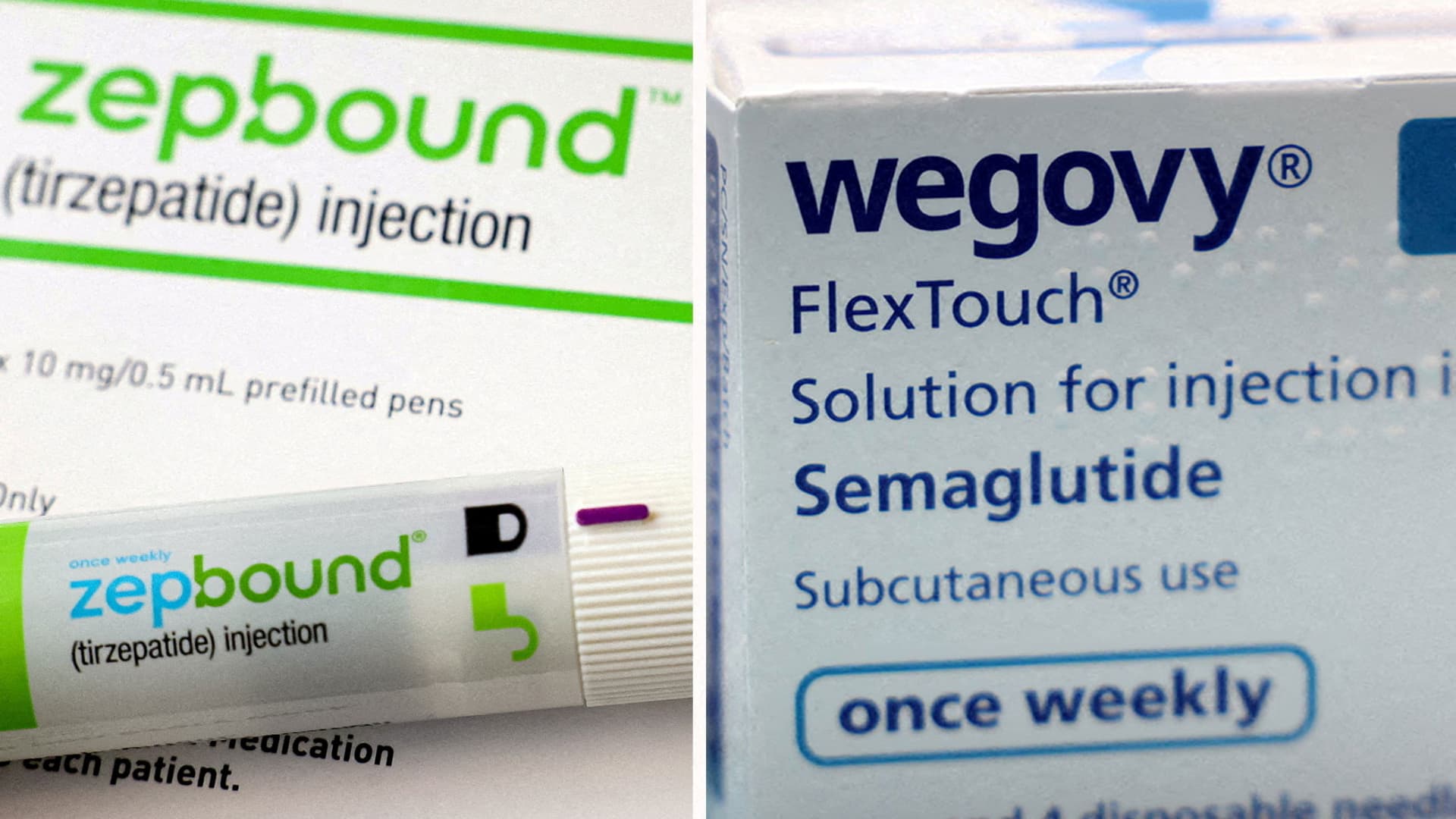
Reevaluating GLP-1 Coverage: Employer Healthcare Choices on Weight Loss Medications
As open enrollment season approaches, employees may find that coverage for GLP-1 medications aimed at weight loss is becoming less common. This trend reflects a broader shift among employers toward either reducing this coverage or opting for more economical alternatives.
Shift in Employer Health Benefits
Rising costs associated with GLP-1 drugs, which can reach $600 or more monthly per user, have prompted many employers to reconsider their policies. “We spend about $250 million or more on GLPs… We see a great impact on the employees,” stated Brian Moynihan, CEO of Bank of America, emphasizing the long-term health benefits of these drugs despite escalating costs.
However, a recent survey by WTW indicated that only 53% of employers with a workforce of over 100 now provide GLP-1 coverage for weight loss, marking a decline from 57% in 2025. Additionally, 16% of these employers reported that they might soon eliminate coverage entirely, up from 9% the year prior.
Projected Health Insurance Trends
The anticipated 8.2% increase in health insurance costs per employee in 2027 marks the largest rise since 2003, with GLP-1 medications contributing significantly to this uptick. According to Marsh, the presence of these drugs in employer health plans is shifting, as noted by Caroline Susie from Marsh: “Employers are really balancing empathy with economics.”
Employer Alternatives for GLP-1 Coverage
In response to the diminishing coverage for GLP-1 medications, several alternative options are becoming available for employees:
Direct-to-Consumer Solutions
Some employers are directing their employees towards purchasing GLP-1 medications through direct-to-consumer programs such as Novo Nordisk’s NovoCare and Eli Lilly’s LillyDirect. According to WTW, 8% of employers have adopted this strategy, with 28% considering it in the near future. This approach allows companies to save significantly on drug costs. Current market data shows a sharp increase in the use of GLP-1 medications, indicating a growing acceptance among patients to self-pay.
Employer Reimbursement Models
Another option is the direct-to-employer model where companies drop traditional coverage but offer to reimburse employees for part of their out-of-pocket expenses for GLP-1s. This allows employers to retain control over their healthcare spending while potentially lowering overall costs.
Weight Management Programs
Many employers are also engaging with third-party weight management programs such as Noom, Omada Health, and Vida Health. These programs offer personal coaching and support for healthy lifestyle changes, typically at a reduced cost compared to GLP-1 coverage, with fees ranging from $65 to $150 per employee monthly. Some studies have reported positive outcomes, showing high rates of weight maintenance among participants after stopping GLP-1 medications.
Financial Accounts for GLP-1 Medications
Employees may also utilize Flexible Spending Accounts (FSAs) or Health Savings Accounts (HSAs) to purchase GLP-1 medications if prescribed for a medical condition such as obesity. While this provides a level of financial support, the limitations on funds growing tax-free can be a disadvantage for long-term healthcare planning.
Conclusion
The landscape for GLP-1 weight loss drug coverage is changing as employers respond to financial pressures. As companies weigh cost against employee health impact, many are exploring various alternatives to provide valuable support while managing expenses effectively.
