


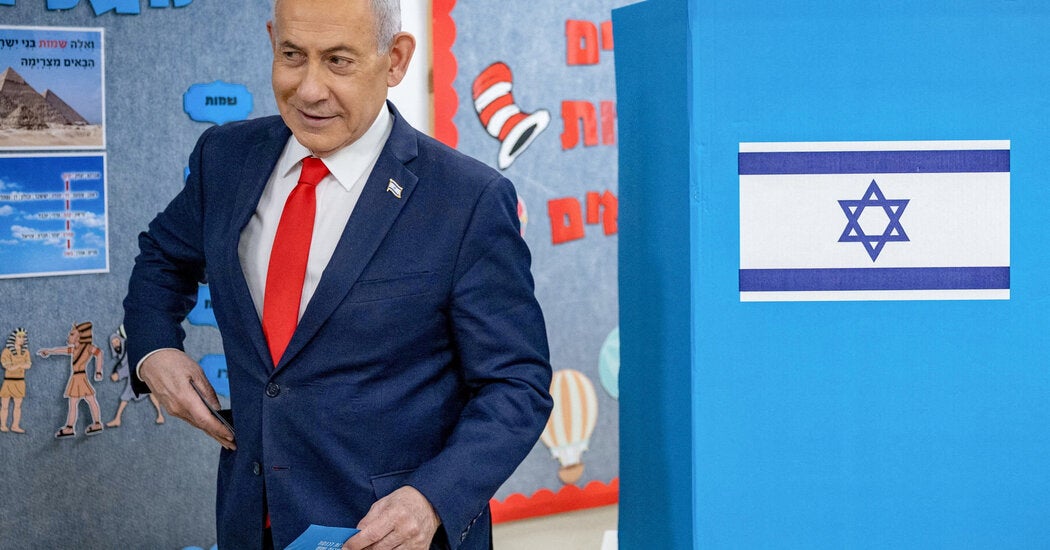
Israel’s Election Preparations: Ensuring Integrity and Transparency
As Israel approaches what many consider its most scrutinized election to date, authorities and civil society groups are mobilizing comprehensive measures to monitor the upcoming vote, amidst widespread concerns over potential political interference and disinformation campaigns.
Collaborative Efforts for Election Monitoring
In an office located north of Tel Aviv, a group of dedicated volunteers, including tech workers and legal experts, are preparing to operate a “war room.” This initiative is set to coordinate thousands of volunteers tasked with monitoring polling stations to report any instances of violence or obstruction. Organized by anti-government protest groups, this effort aims solely to guarantee voters safe and unobstructed access to the polls.
Election Oversight and Transparency Initiatives
In Jerusalem, members of the Central Election Committee are orchestrating a significant Election Day operation. Their approach includes deploying officials to over 12,000 polling sites equipped with body cameras to capture and document any irregularities that may arise. Additionally, the committee is collaborating with Shin Bet, Israel’s internal security agency, to actively monitor online platforms for disinformation, allowing for real-time responses.
Expert Insights on Election Risks
Assaf Shapira, a researcher at the Israel Democracy Institute, commented on the election’s climate, stating, “This election is the most threatened ever. The stakes are very high.” Experts highlight concerns related to the rise of sophisticated AI-generated disinformation, an increasingly loyal police force to far-right interests, and government narratives that suggest the potential for election rigging.
Boosting Public Confidence in the Electoral Process
Dean Livne, acting director general of the Central Election Committee, emphasized the committee’s efforts to instill public confidence and counteract unfounded fraud claims. They plan to announce counts from each polling station shortly after polls close, and the tallying of around 600,000 ballots from remote locations such as hospitals and military bases will be live-streamed for nearly 24 hours. Livne asserted, “This election will be the most transparent ever.”
Addressing Concerns of Voter Intimidation
Despite assurances regarding the integrity of the election process, observers express concerns regarding potential voter intimidation, particularly among Arab citizens, who constitute roughly 20% of Israel’s population. Historically, this demographic has shown lower turnout rates and has faced persistent allegations of voter fraud without substantive evidence to support those claims.
Polling Tensions in Arab Communities
Bezalel Smotrich, Israel’s far-right finance minister, announced plans to dispatch thousands of religious Jewish “observers” to monitor voting in Arab areas, raising fears that this could lead to chaos and dissuade Arab voters from participating. In response, local officials in Arab communities are mobilizing to disseminate reliable information and combat misinformation designed to suppress voter turnout.
Future Implications
While election officials reported no observed irregularities as of Tuesday afternoon, some experts warn that government officials might be preemptively sowing seeds of doubt regarding the election outcome. This could potentially lay ground for contesting results should they prove unfavorable. Political scientists, like Yael Shomer from Tel Aviv University, assert, “To challenge the legitimacy of elections, you have to plant the seeds early on.”
Israel’s police commissioner, Danny Levy, has pledged to uphold the integrity of the election, asserting that any officers who express political biases while on duty will face dismissal. As the nation heads into Election Day, the emphasis on transparency, safety, and integrity remains paramount in these critical electoral proceedings.