


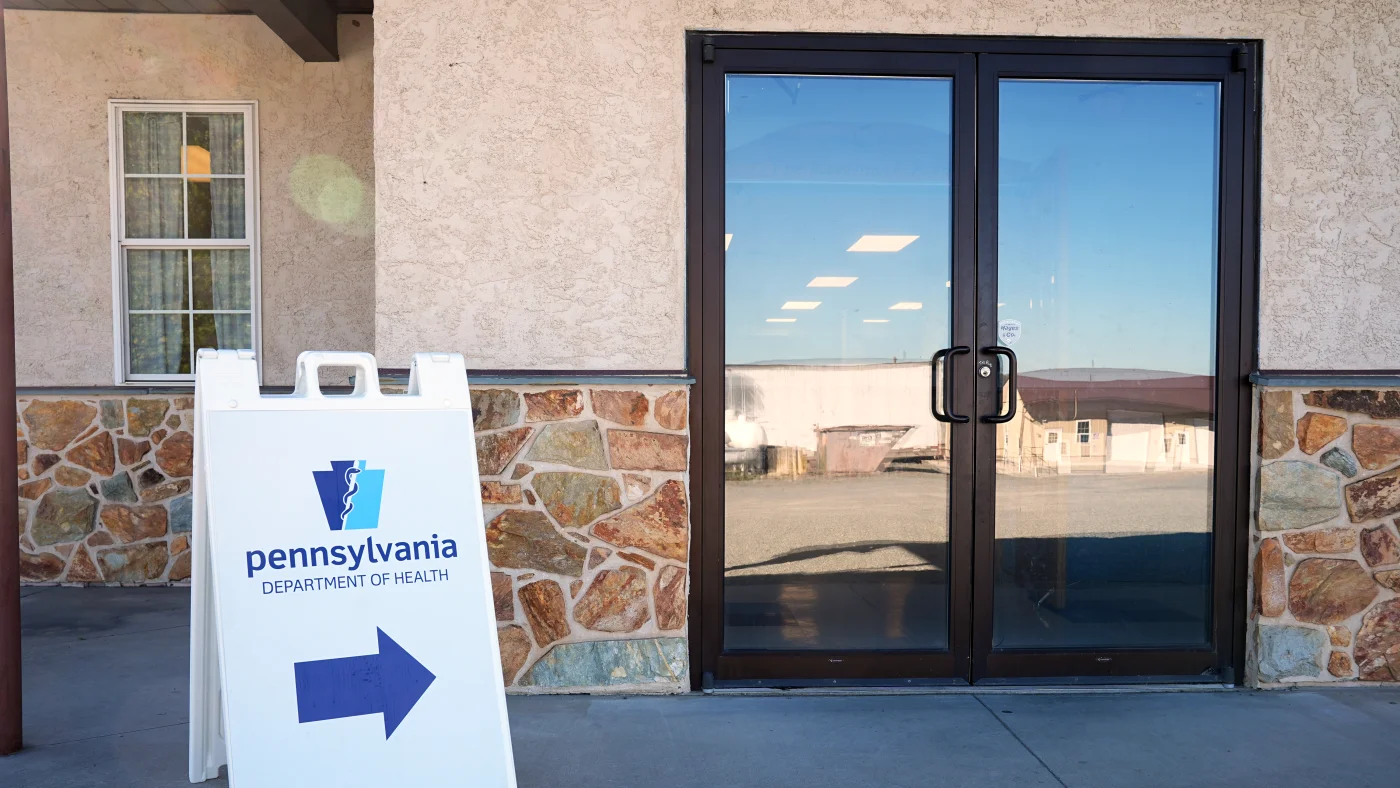
Measles Resurgence in Pennsylvania: Vaccination Efforts Intensify
Photo Credit: Matt Rourke/AP
Overview of the Outbreak
The United States is experiencing a significant increase in measles cases, marking the most severe resurgence in decades, particularly concentrated in Pennsylvania. According to recent data from the Centers for Disease Control and Prevention (CDC), over 4,580 cases of measles have been reported nationwide since October 22, which is more than double the total cases recorded in the entirety of 2025.
Recent Statistics in Pennsylvania
As of October 21, at least 1,338 measles cases have been confirmed across 44 counties in Pennsylvania. The situation has led to over 250 hospitalizations and five fatalities statewide. Notably, three of the deceased were residents of Lancaster County, which is heavily influenced by local Amish communities that have lower vaccination rates.
Vaccination Initiatives Gaining Traction
In response to the outbreak, Pennsylvania’s health authorities are urging residents to receive the measles, mumps, and rubella (MMR) vaccine, which is nearly 97% effective when two doses are administered. Data indicates that healthcare providers in the state have witnessed a marked increase in vaccination interest, with over 39,000 MMR vaccines given in the first three weeks of October. This figure significantly surpasses the average of 25,000 vaccinations typically administered over a month.
Community Meetings and Support
On Thursday, Pennsylvania Secretary of Health Dr. Debra Bogen conducted a roundtable discussion with healthcare providers in Mifflin County to better understand local healthcare needs in dealing with the outbreak. “Our state metrics and data tell part of the story of the measles outbreak in Pennsylvania, but listening to the people on the ground caring for people in affected communities like Mifflin County is essential to refining our public health response,” Dr. Bogen stated.
Other States Affected
Other states are also grappling with measles outbreaks. In New York, Governor Kathy Hochul declared a disaster emergency due to a rise in cases, reporting over 160 confirmed infections. Meanwhile, Utah has recorded more than 700 cases this year but has seen no new diagnoses in three weeks. Similarly, South Carolina reported 997 cases earlier in the year, with the outbreak having ended in April.
