


Colossal Biosciences: Pioneering De-Extinction through Genetic Engineering
Colossal Biosciences, a leading company in the innovative field of de-extinction, is on a mission to revive extinct species, including the woolly mammoth and dire wolves, drawing attention and excitement reminiscent of the Jurassic Park phenomenon.
Bringing Back the Past
During an engaging discussion at the CNBC AI Forum, Ben Lamm, CEO and co-founder of Colossal Biosciences, acknowledged the playful comparisons between their work and the iconic films. Lamm stated, “I think anyone that saw Jurassic Park in the 90s and didn’t say it was cool…they’re probably not very fun at parties,” humorously responding to the enthusiastic reactions regarding their projects.
Beyond Hollywood Fantasy
While the concept of resurrecting dinosaurs remains firmly in the realm of fiction, Lamm emphasized a different approach. He mentioned, “I constantly have to remind people…they [Jurassic Park] were movies. I don’t think Jurassic Park had any conservation or general human benefit models to it.” Colossal aims to apply scientific advancements for conservation and ecological benefits rather than a mere spectacle.
Current Projects and Endeavors
Colossal’s projects span several extinct species. Aside from the woolly mammoth, they are working to genetically engineer the dodo bird, the Tasmanian tiger, and the giant moa. Lamm expressed optimism, stating that within the next few years, the public can expect to see tangible results, potentially including more dire wolves.
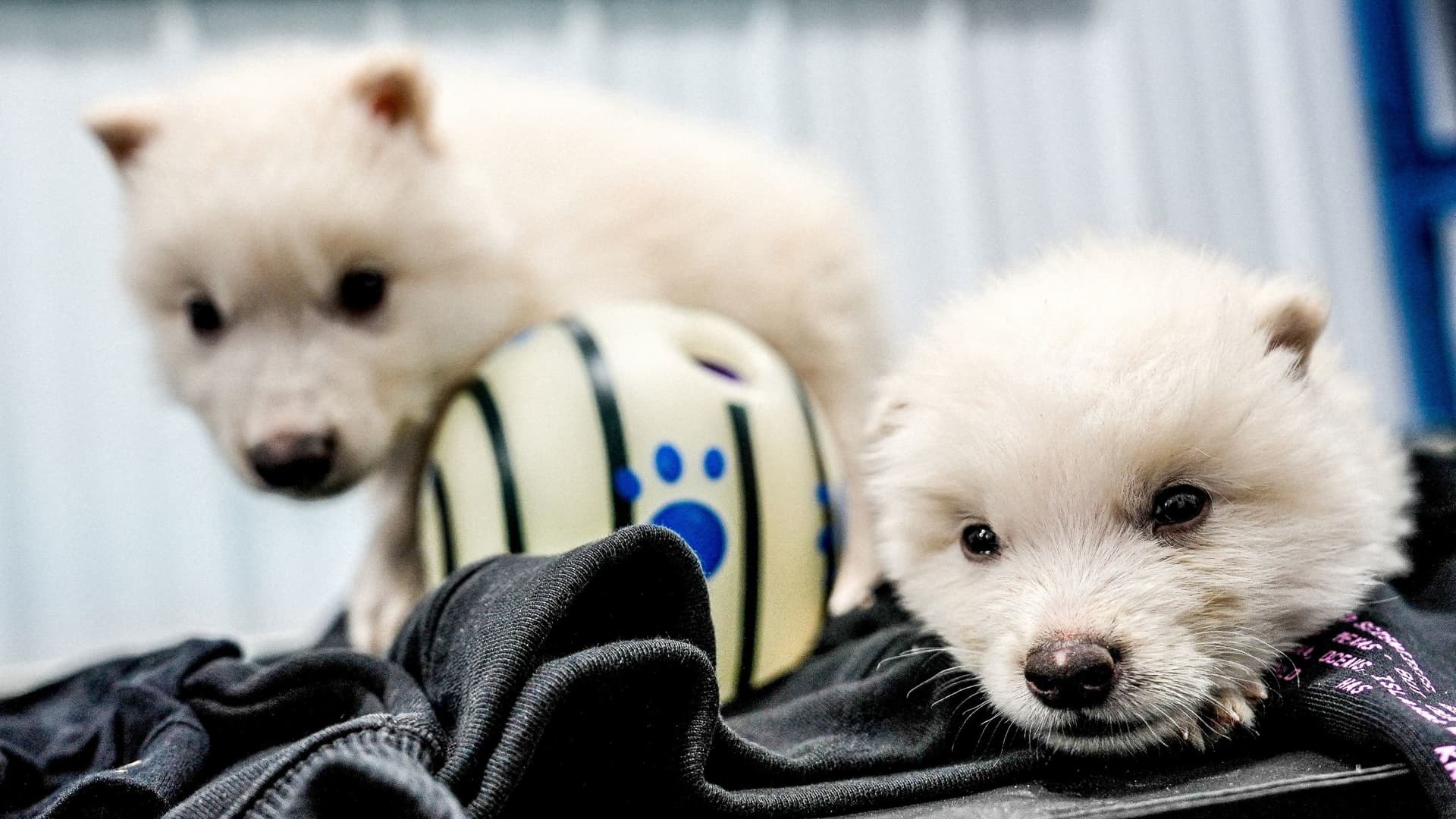
- Dire Wolves: Using ancient DNA from fossils, Colossal has successfully reconstructed the genome of the dire wolf, with recent births of three wolf pups, Romulus, Remus, and Khaleesi, born to domestic dog surrogates.
- Woolly Mammoth: Plans to adapt the Asian elephant’s DNA to create a hybrid that resembles the woolly mammoth are underway, with potential births projected in the 2030s.
The Genetic Engineering Process
The resurrection of these species involves sophisticated genetic techniques. Colossal employs AI models to map ancient DNA to that of the gray wolf for the dire wolf project. This advanced approach enables them to create embryos by editing the genetic material of modern relatives.
Lamm differentiated scientific progress from public skepticism, noting that objections regarding their work amount to “semantic arguments.” He argues that modern gray wolves are simply the “genetically modified” descendants of dire wolves, shaped by natural evolutionary processes over millennia.
Future Prospects and Applications
Beyond individual species restoration, Lamm envisions broader implications for ecology and human health through advances in genetic technology. The potential environmental benefits include using revived woolly mammoths to combat climate change by managing high-altitude arctic ecosystems.
Colossal’s work opens pathways for innovative applications in various fields, from genome engineering to conservation and beyond, highlighting a nexus between ancient species and present-day technological challenges.
Investment and Public Engagement
The ambitious projects of Colossal Biosciences have captured significant investor interest, raising over $435 million since its inception, with a recent valuation of $10.2 billion. Lamm noted that a noteworthy portion of their investors are motivated by interest from younger generations, a testament to the company’s ability to inspire new enthusiasts in science and conservation.
“If we can inspire the next generation and get them excited about science…that’s the real mission here,” Lamm remarked, emphasizing the importance of educating future stewards of biodiversity.
Conclusion
Colossal Biosciences stands at the forefront of an exciting and scientifically significant endeavor, bridging the gap between the past and the present. As they continue to push the limits of genetic engineering, the implications of their work may extend far beyond simply reviving extinct species, offering insights that could benefit both ecological initiatives and advancements in healthcare.
