


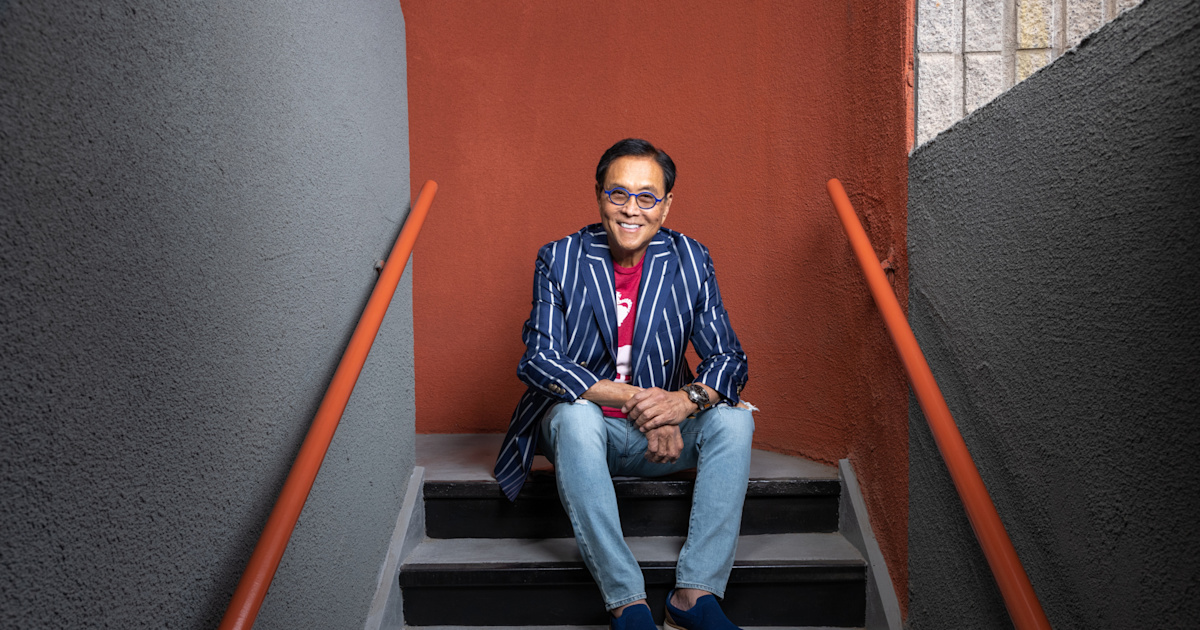
Using Debt as a Wealth-Building Tool: Insights from Robert Kiyosaki
Understanding Kiyosaki’s Approach to Debt
Many individuals view debt with caution, yet Robert Kiyosaki, the author of “Rich Dad Poor Dad,” has publicly declared a different approach. He has reportedly incurred $1.2 billion in debt, which he argues can serve as a significant mechanism for wealth accumulation.
The Perspective of Debt as a Financial Tool
Kiyosaki has emphasized in various interviews, including a notable 2025 discussion with Hannah Hammond, that debt should not be shunned but understood as a financial instrument. He likens debt to a loaded gun—capable of both protecting and endangering one’s financial health. “The risk isn’t the debt; the risk is the person holding it without financial education,” he stated.
What Kiyosaki borrows against
Central to Kiyosaki’s strategy is his choice to borrow against income-generating assets rather than liabilities. He categorizes personal expenses, such as homes and cars, as liabilities because they do not contribute positive cash flow. Instead, he invests in rental properties, which generate income. As he explains, “I bought a rental. Tenants pay the mortgage. Money flows in every month.”
Leveraging Debt for Rapid Growth
Utilizing debt allows for significantly greater investment potential. For example, with an investment of $500,000, one could either buy a single rental property outright or leverage that amount to acquire multiple properties. Investment banker Juan Ignacio García from L40° Partners notes, “You only invest a small part of the purchase price, yet you own an asset worth much more. The asset carries the financial load, letting your invested capital earn a much stronger return.”
Tax Advantages of Debt
Kiyosaki is also critical of the conventional tax system and advocates for strategies that mitigate tax burdens. On The Money Podcast, he stated, “Debt makes guys like you and me rich, and ironically, because we use debt, we don’t pay any taxes.” By utilizing loans for investments, one can claim deductions and manage taxes more effectively.
Using debt strategically allows investors to access equity while keeping their assets, unlike selling which incurs capital gains taxes. Refinancing can facilitate cash flow while sustaining ownership and writing off related expenses.
The Risks and Misunderstandings of Debt
Not everyone is comfortable with Kiyosaki’s views on debt, particularly his assertion that he does not save cash because “If I go bust, the bank goes bust.” His methodology is founded on borrowing in a depreciating currency while investing in assets that yield consistent revenue. For example, a mortgage payment of $1,000 on a rental property that generates increasing rent payments demonstrates how inflation can work favorably.
Kiyosaki ensures that this approach includes strong cash flow and non-recourse loans tied to specific assets. García emphasizes that while debt utilization can enhance financial security, it is the asset quality and reliable cash flow that ultimately define risk.
