


Recognizing Overlooked Contributions on Remembrance Day
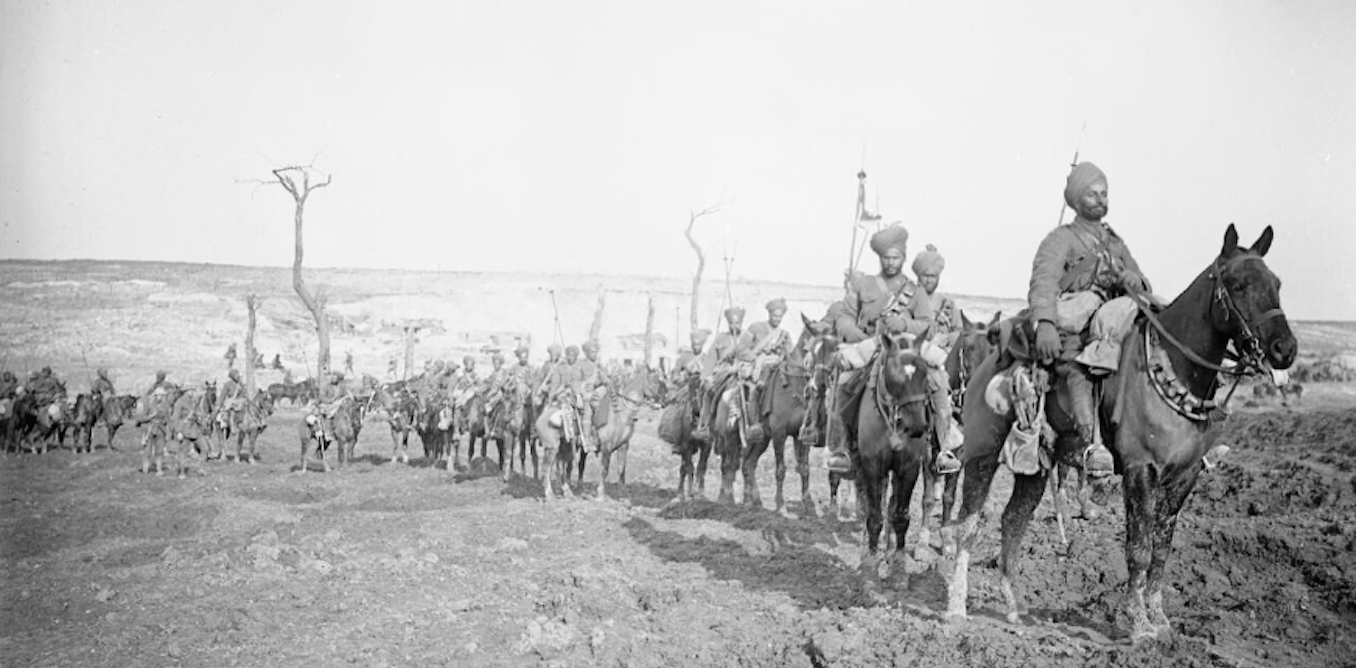
Remembrance Day serves as a poignant reminder of the sacrifices made during conflicts, particularly the First World War. While discussions often center around Western contributions, it’s crucial to acknowledge the significant involvement of approximately 1.4 million troops from the Indian subcontinent—comprising present-day India, Pakistan, and Bangladesh—who served the British Empire.
(Phillip de László/Art Gallery of Ontario)
The Role of Non-Combatants and Women
Despite the notable military contributions, much of the historical narrative remains gendered, emphasizing male soldiers while neglecting the vital roles of women and non-combatants who sustained the war effort. Historian Radhika Singha highlights the critical positions occupied by laborers, cooks, and other support staff—often referred to as “followers”—in wartime.
Further research indicates that the repercussions of the war were keenly felt by women and families left behind. Many women not only had to bear the financial burdens but also criticized the expectation of their male relatives to serve. Evidence shows that they voiced their displeasure through letters and songs addressed to their absent loved ones.
Gendered Hierarchies in Punjab and Recruitment Strategies
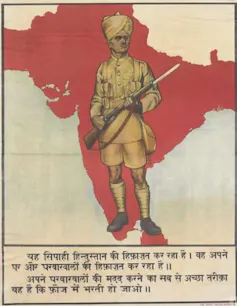
Punjab, often called the “sword arm” of British India, was critical for military recruitment. Colonial authorities, after annexing it in 1849, linked local patriarchs with their administration, strengthening existing gender hierarchies that left women dependent on men. Colonial perceptions of Punjabi peasants as “martial races” contributed to the intense recruitment of local men into the Indian Army, with about 60% being from Punjab by the onset of the First World War.
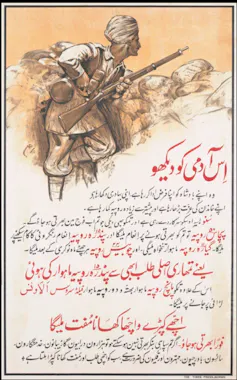
Recruitment campaigns were bolstered by promises of land, monetary incentives, and the invocation of izzat, or honor. Yet, many women protested against this enlistment. For example, in December 1914, colonial officials noted that the emotional appeals of women were significantly hindering recruitment efforts.
Women’s Resistance and Resilience
While elite Indian women encouraged enlistment, rural women often resisted these calls, attempting to prevent their men from joining the fight. Accounts detail how women expressed their discontent, sometimes even following recruiting parties to persuade recruits to return home.
(Imperial War Museum)
Economic Struggles and Post-War Accountability
Women faced significant economic challenges during the war, exacerbated by delays in receiving financial support from their enlisted husbands. Letters from the period describe desperate situations, including one wife who had to pawn her jewelry for survival after receiving only a portion of her husband’s pay.
The war fundamentally altered economic conditions, with earlier systems disrupted by inflation, famine, and diseases like the influenza epidemic, further jeopardizing the livelihoods of families.
(Imperial War Museums)
Collective Memory and Cultural Responses
Women’s cultural expressions during the war included songs that criticized colonial authority and lamented the loss of their loved ones. An example includes a song that poignantly states:
“Don’t go, don’t go, stay here my friend, the ignorant are packing up and leaving, flowers are withering, friendships are breaking.”
Art that seeks to memorialize these experiences, such as Bani Abidi’s “Memorial to Lost Words,” brings forth the voices of women in a nuanced manner, illustrating the complex legacies of war beyond conventional narratives of military valor.
Conclusion: Remembering the Forgotten
As we observe Remembrance Day, it is essential to expand our understanding of who we remember. Alongside honoring soldiers on the battlefield, we must also acknowledge the unwavering strength and resilience of the women and families who bore the emotional and economic burdens of war. Their stories are crucial to a holistic reflection on the impact of the First World War.
