


Iran Considers Nuclear Treaty Withdrawal Amid Rising Conflict with U.S. and Saudi Arabia
Iran’s Legislative Body Calls for Review of Nuclear Treaty
Tehran’s Assembly of Experts has called for a comprehensive evaluation of Iran’s participation in the Nuclear Non-Proliferation Treaty (NPT). This move signals a pivotal shift in Iran’s defense strategy, with recommendations for a reworked military doctrine deemed crucial under the leadership of Supreme Leader Mojtaba Khamenei.
As reported by Tasnim News Agency, the assembly labeled the NPT review an “inevitable necessity” reflecting public sentiment and called for immediate action from relevant government officials.
Escalation in Tensions and Military Posturing
The Assembly warned of potential military retaliation should adversaries attempt to disrupt Iranian interests. Their statement emphasized that “the unsuccessful enemies seek to test their ill-fated fortunes once again” and that any aggression would meet with a decisive response from Iranian forces “without geographical limitations.”
Impact on Global Oil Prices
Rising tensions have significantly affected oil markets, with Brent crude prices increasing by more than $3 per barrel, reaching $95.82. The surge follows Houthi attacks on key Saudi energy infrastructure, including oil pipelines and facilities in the kingdom, causing a ripple effect across the global oil supply chain.
Attacks on Oil Tankers and International Shipping
Reports revealed that two oil tankers were struck near the Strait of Hormuz, with all crew members evacuated safely. The United Kingdom Maritime Trade Operations has classified these incidents as deliberate attacks, raising alarms over maritime security in crucial shipping lanes.
Responses from U.S. Leadership
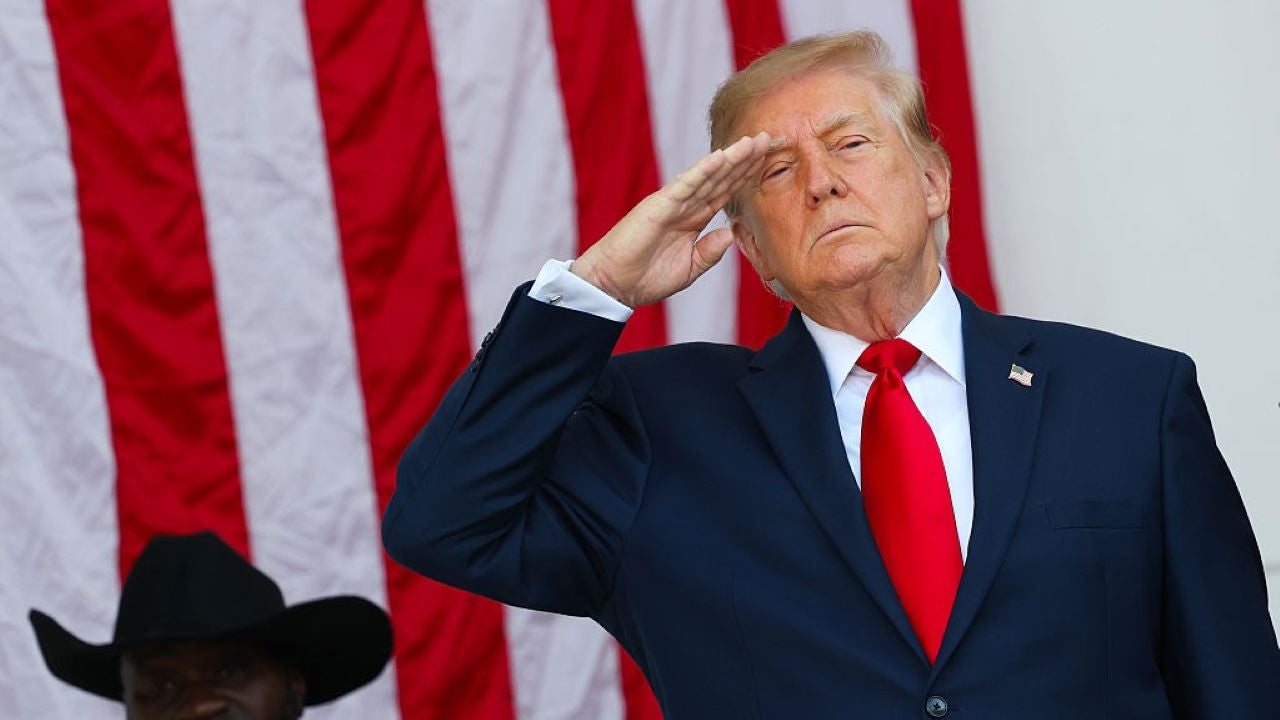
Former President Donald Trump recently reiterated his readiness to execute military action against Iran should U.S. allies face any threats, particularly in the Strait of Hormuz. “I would do that right now,” Trump asserted, emphasizing U.S. dominance in the region and Iran’s wavering economic stability.
Trump further described the Iranian regime as “collapsing,” sharing concerns over the nation’s hyperinflation and economic downturn, affirming that any aggressive moves from Iran would be met promptly by U.S. forces.
Saudi Arabia’s Defense Against Houthi Attacks
The Saudi-led coalition has reported successful interceptions of Houthi drones targeting both Riyadh and eastern regions of Saudi Arabia. These actions underscore the escalatory measures being taken against Houthi threats to national security and oil infrastructure.
Iran’s Military Preparedness and Threats to the U.S.
Iran’s military leaders have stated the readiness of the Islamic Revolutionary Guard Corps (IRGC) to deliver “new surprises on the battlefield” in response to U.S. pressure. Their public statements insist on Iran’s capabilities as a key deterrent against external threats.
Domestic and International Implications
The situation presents significant implications for regional stability, with domestic actors like the Houthis claiming responsibility for recent missile strikes, further complicating the geopolitical landscape. The international community remains watchful, considering the repercussions of escalated military conflict and economic instability.