


The Ford Mustang: A Canvas for Creative Customization
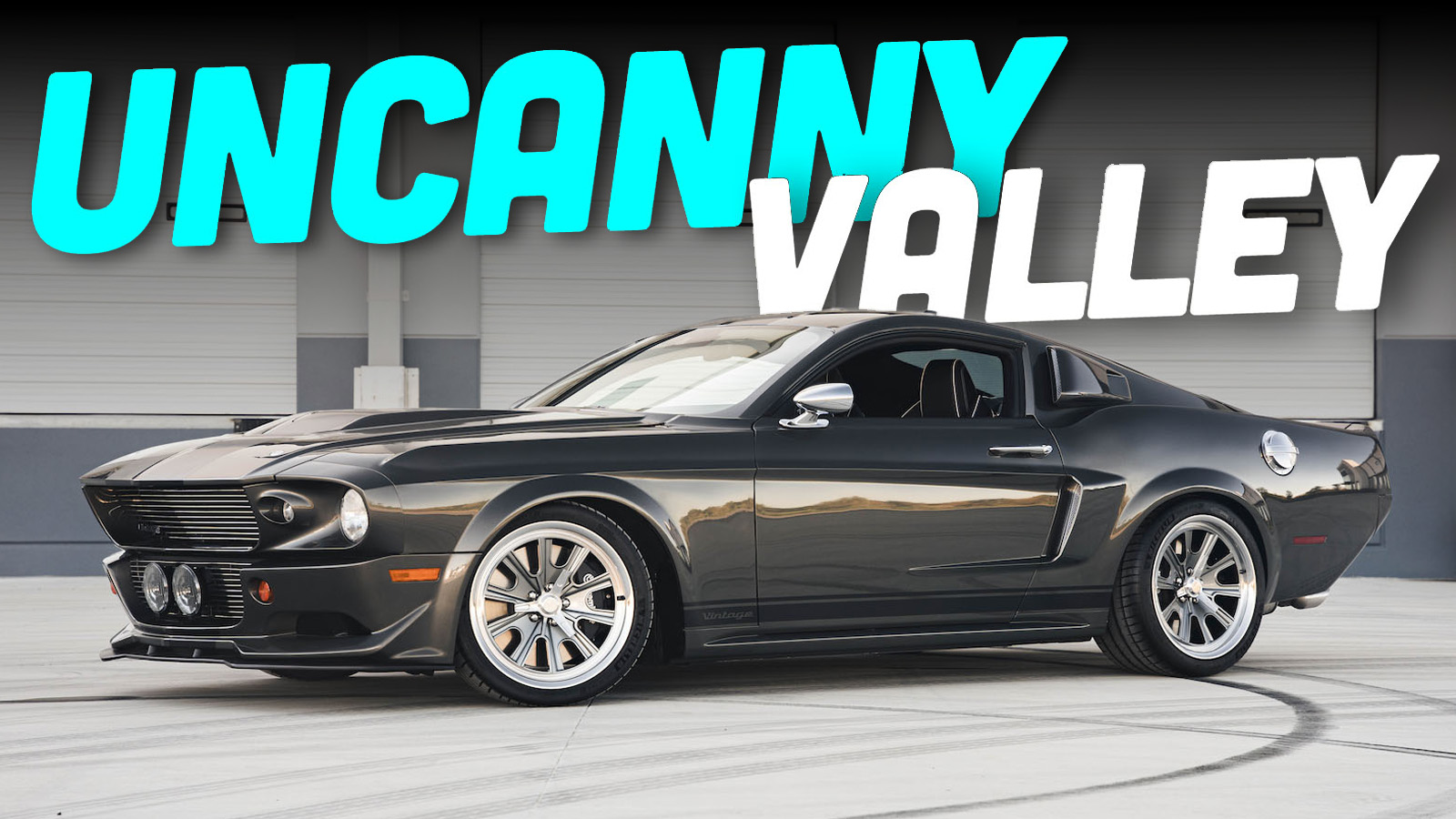
The Ford Mustang has long been known as a versatile performance vehicle, inspiring countless modifications across its storied history. From drag racing to extravagant builds such as limousines and wagons, it has become a blank canvas for automotive enthusiasts. Recently, a unique project by Vintage Modern poses an intriguing question: What if the Mustang were reimagined with an old-school aesthetic reminiscent of its iconic cinematic counterpart, Eleanor from the 2000 film “Gone In 60 Seconds”?
Modern Nostalgia: The Challenge of Styling
Vintage Modern previously garnered attention for their innovative approach to updating the Bronco, fusing classic design elements with modern safety and reliability. Their latest endeavor to revive the Mustang’s styling has proven to be more complex. The outcome presents a restomod that not only pays homage to its origins but also brings forth unique challenges in design.
Key Features of the Vintage Modern Mustang
- Interior Upgrade: The reupholstery utilizes woven textiles, eyelets, piping, and contrast stitching to enhance the modern Mustang’s interior.
- Power Boost: An optional Whipple supercharger can elevate the five-liter V8 engine to an impressive 840 horsepower and 615 lb-ft of torque.
- Audio System: A JL Audio sound system is available, promising superior sound quality compared to even the highest specifications of the current Mustang systems.
Design Elements and Critique
While Vintage Modern’s craftsmanship in creating carbon fiber body panels is commendable, the external design raises significant questions. Observations regarding its profile reveal:
- An excessive rear overhang that disrupts the vehicle’s balance.
- A pronounced, bulbous nose that seems disproportionate.
- A design that gives off a sense of unnecessary weight due to heavy surfacing techniques.

The Complexities of Blending Old and New
The original Mustang Fastback is considered a design landmark, known for its sleek and proportional lines that captured the spirit of its era. However, the transition to modern standards, including increased safety regulations and mechanical intricacies, has complicated efforts to develop a true retro-styled model. Vintage Modern’s initiative, while ambitious, highlights the difficulty in adhering to contemporary automobile requirements while trying to encapsulate a classic design ethos.

The Conclusion: A Unique Proposition
The Vintage Modern Fastback can be likened to the unique customizations seen in C5 Corvettes styled to resemble classic C1 models. While they may not appeal to the mass market, such vehicles cater to a niche audience seeking extraordinary experiences. Their distinctive designs could also spark interest in collectible automotive markets in the future.
