


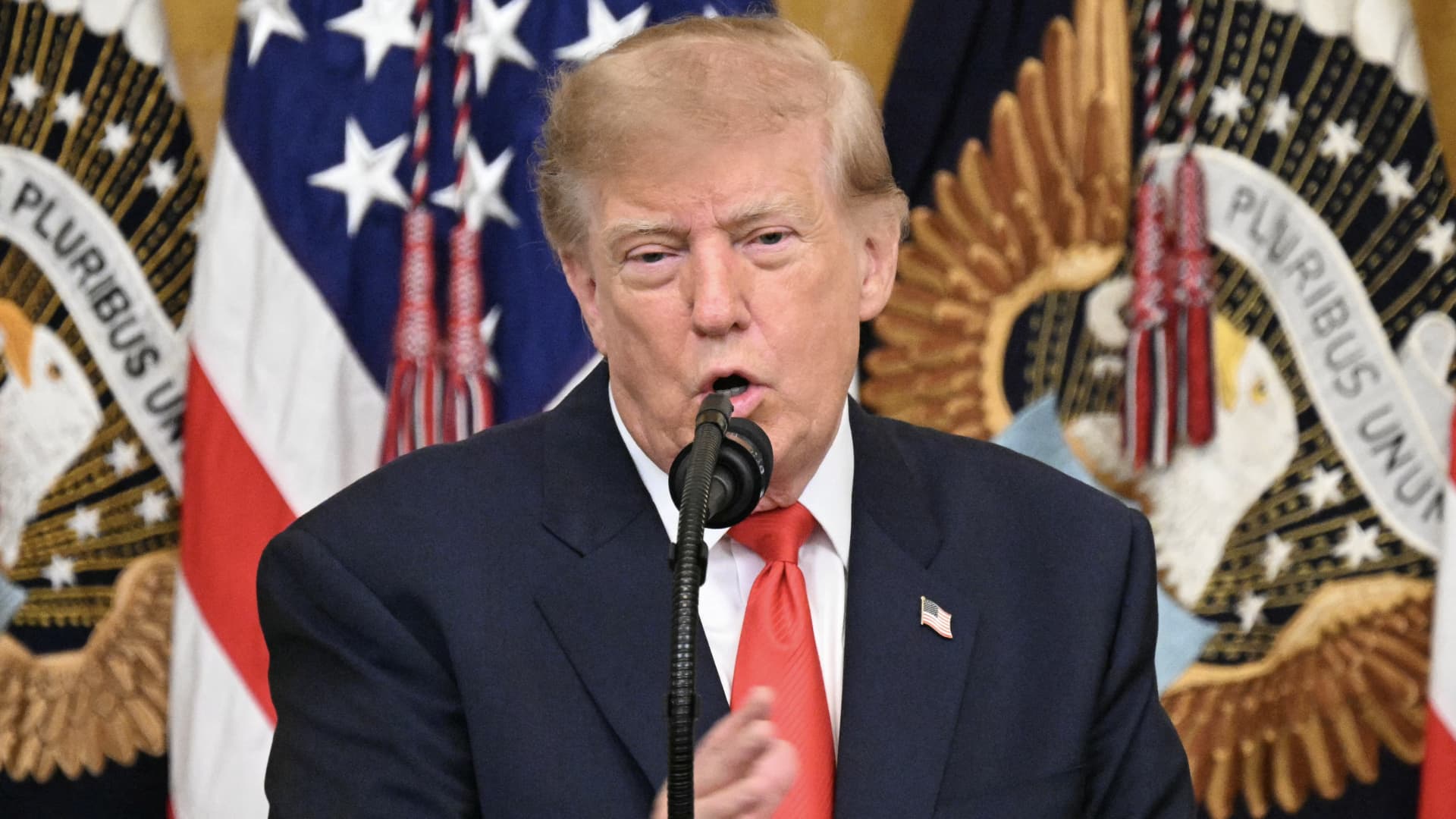
Federal Judge Halts Controversial Government Ads Targeting Midterm Elections
In a significant legal development, a federal judge has mandated that the Trump administration cease broadcasting government-funded advertisements. These ads have faced criticism for being labeled as propaganda and purportedly designed to sway the forthcoming midterm elections.
Details of the Court’s Decision
The ruling came on Sunday night from U.S. District Court in Manhattan, where Judge Jennifer Rochon issued the order amid concerns that the $20 million campaign, financed by the Department of Homeland Security (DHS), could misuse taxpayer funds for political purposes.
Legal Action by Advocacy Groups
A coalition comprising advocacy organization Common Cause and the Service Employees International Union Local 32BJ spearheaded the lawsuit aimed at blocking the advertisement campaign. According to Judge Rochon’s findings, the plaintiffs demonstrated adequate standing and were likely to prevail in their claims concerning the legality of the ads.
- The Court found that the case was not moot.
- The plaintiffs would incur irreparable harm without the injunction.
- An injunction aligns with public interest considerations.
Response from the Coalition
In response to the ruling, the coalition expressed satisfaction with the court’s swift action. “We are pleased the court acted swiftly to prevent more taxpayer dollars from being used for such blatantly unlawful political propaganda,” the coalition stated.
They further emphasized the unprecedented nature of the case, claiming there is no legal basis for the President to exploit government resources and funds intended for other purposes to potentially affect electoral outcomes. “As this case moves forward and voters make their voices heard in this election, we will work to ensure the rule of law continues to be upheld, protecting the rights of voters and our democracy,” the coalition remarked.
Ongoing Developments
This situation continues to unfold, and further updates are expected as the implications of the court’s ruling resonate through the political landscape leading up to the elections.
