


Pixel 11 Review: An In-Depth Look
As the Pixel 11 enters its first quarter, it has brought enticing discounts that are capturing the attention of potential buyers. This review delves into the characteristics of the base model, highlighting what it offers.
Familiar Design Elements
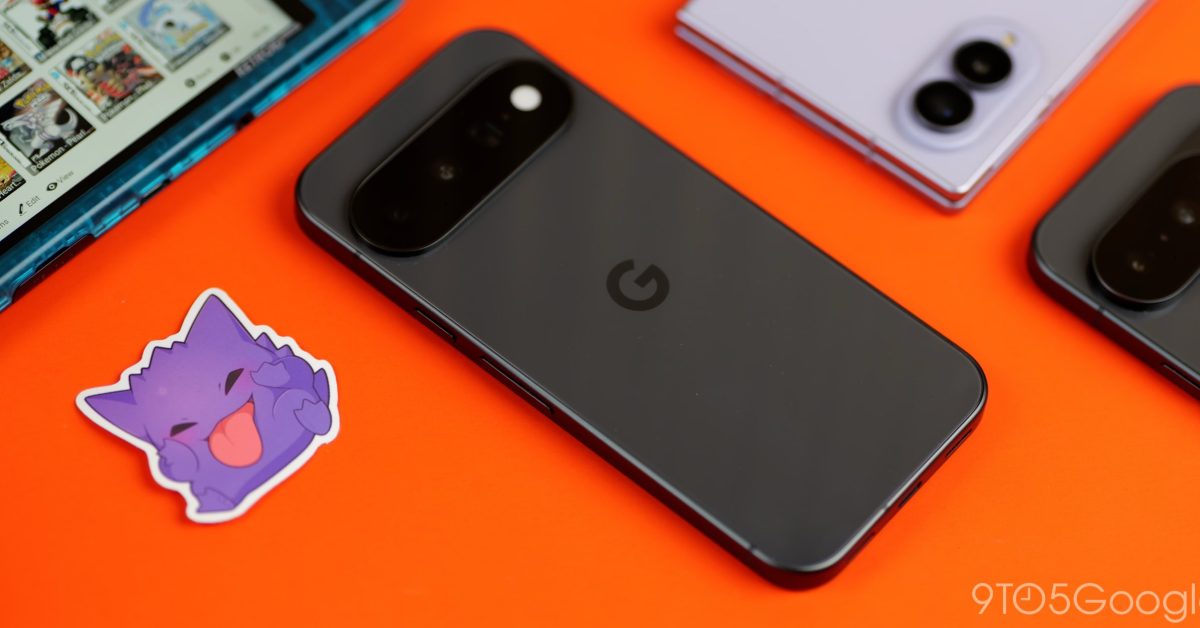
The design of the Pixel 11 is reminiscent of its predecessor, akin to a familiar piece of footwear. While it remains aesthetically pleasing, it lacks standout features, presenting a safe and conventional look that may not excite those seeking innovation.
Users have noted ongoing issues with the maximum brightness feature, as the display experiences edge shadowing in direct sunlight, resembling blooming often seen in lower-quality LCD screens. Although the display is otherwise impressive, this minor flaw does detract from the overall experience.
Device Build and Ergonomics
In terms of physicality, the Pixel 11 feels somewhat dated with its thickness. Those who prefer to use the phone without a case may find this manageable, although adding a case might make the device feel bulkier. Ideally, a sleeker design could have differentiated it from last year’s model, especially if that space was utilized for additional battery capacity.
Functionality Enhancements
One practical improvement is the repositioning of the NFC module to the top edge of the device. This change enhances compatibility with car NFC systems, improving user convenience compared to the previous model.
The Gemini Intelligence feature has gained traction among users, offering timely prompts for calendar additions that automatically compile relevant details. However, limitations in expanding its functionality have become apparent. Users expect enhanced efficiency, particularly with the integration of Google Messages, yet the potential remains underutilized.
Software Updates and Performance
Recent updates, notably from the November Pixel Drop, have introduced improvements to the Pixel 11, making it a more cohesive and fluid experience than at launch. Enhancements to the user interface have elevated its usability, indicating that those who purchased the device during recent promotional offers have benefited from an improved product.
The battery life remains commendable, allowing users to charge the phone just once daily. While charging speeds may still lag behind competitors, the reliability of the battery mitigates concerns about frequent recharges.
Camera Capabilities

The camera on the Pixel 11 continues to deliver impressive quality, despite not showcasing substantial upgrades compared to previous versions. The potential strategy of integrating the Pro camera specs into the base model may allow for quicker advancements and optimize component use, aligning with Google’s environmental commitments.
Camera functionalities like tuning looks offer customization. Users can find a specific look that suits their style, although this may sometimes overshadow the traditional point-and-shoot excellence typical of Pixel devices. Nonetheless, enthusiasts have found settings that enhance their photography experience without major drawbacks.
Market Position and Value
Priced at $699, the Pixel 11 presents itself as a competitive option for many users. Its capabilities are sufficient for average users, but those seeking cutting-edge technology may prefer alternatives. Price comparisons reveal that devices like the Galaxy S25 Ultra offer stronger specs for a similar investment.
Despite the notable improvements in the Pixel 11, its pricing strategy has historically posed challenges. As newer models become available at competitive rates, older models may continue to lose their appeal. It’s vital to note that the Pixel lineup tends to improve significantly after the initial release phase, often enhanced by subsequent updates.
Ultimately, while the Pixel 11 is a substantial upgrade in many ways, it may still struggle against competitors. This model arguably enters the market at an optimal price, reflecting its value proposition.
Final Thoughts
Overall, the Pixel 11 is a robust device with reliable features, appealing to everyday users who prioritize functionality over flagship-level performance. As the mobile landscape evolves, Google’s releases will likely continue to adapt, potentially reshaping its competitive edge.
