


Escalating Tensions in the Strait of Hormuz: Latest Developments
Iran Halts Tankers Amid Rising Hostilities
Recent reports from Iran’s state broadcaster IRIB indicate that four tankers were “halted” in the Strait of Hormuz over the last 24 hours. Although no further details have been confirmed, this action underscores the ongoing maritime tensions in the region.
Both Iranian and U.S. forces have engaged in naval confrontations in this strategically vital waterway. Iran commands that all commercial vessels must coordinate with its security forces to navigate shipping lanes close to its coast, while the U.S. maintains that southern routes are safe despite ongoing attacks.
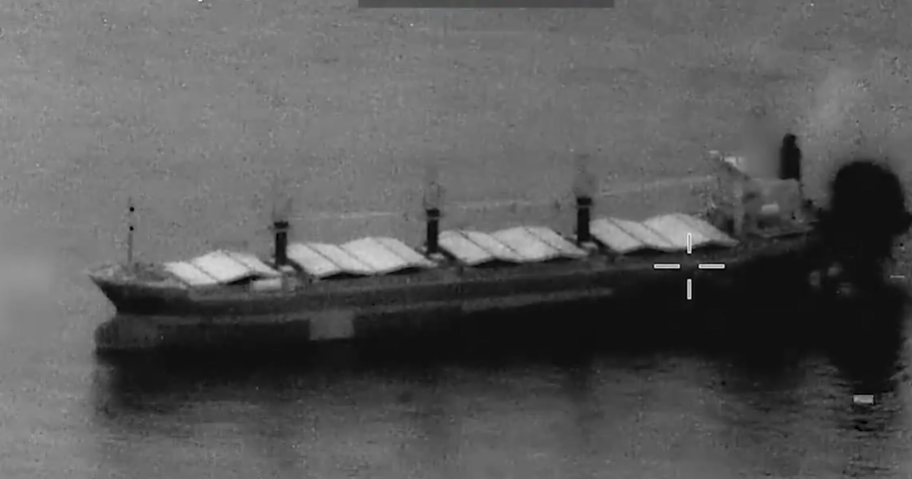
Iranian authorities have alleged that many ships traversing these southern routes have encountered sea mines, leading to fires on board. In a recent statement, U.S. Central Command revealed that it disabled a commercial vessel in the Gulf of Oman after its crew allegedly ignored multiple warnings regarding violations of a naval blockade against Iran.
Shifts in Oil Prices Amid Conflict
In the wake of escalating hostilities, oil prices are experiencing notable fluctuations. On Monday morning, Brent crude oil fell by 2% to $96.38 per barrel, while U.S. benchmark crude decreased by 1.5% to $89.56 per barrel. This decline follows a significant surge in prices after the initiation of warfare between the U.S. and Iran, compounded by threats to key energy supply routes.
Despite the current drop, oil prices remain approximately 50% higher than they were a year ago, reflecting the conflict’s profound impact on global energy markets.
Iran’s Proposal for a Shortened Peace Deal Implementation
In diplomatic efforts, Iran’s foreign ministry spokesperson announced that Tehran is willing to reduce the implementation period for a potential peace agreement with the U.S. to two days, down from seven. Esmaeil Baqaei characterized this gesture as a “sign of goodwill.” However, he insisted that any agreement must adhere to the core conditions established in a prior deal made in June.
This earlier agreement highlighted key issues including lifting U.S. sanctions, unblocking Iranian assets, and a ceasefire throughout the Middle East. Despite these efforts, U.S. Secretary of State Marco Rubio dismissed the likelihood of an immediate breakthrough, labeling Iran’s demands as “unacceptable.”
U.S. and Iran’s Diplomatic Dynamics
President Trump is set to meet with Qatari Prime Minister Sheikh Mohammed bin Abdulrahman Al Thani, who has been instrumental in mediating indirect discussions between the two nations. This meeting is anticipated to explore pathways for a peaceful resolution amidst the ongoing conflict.
In recent interviews, Trump stated he sees “no reason” to escalate the conflict further, emphasizing that his decision to engage militarily was in response to Iran’s nuclear program. He expressed a focus on ensuring U.S. national security while navigating the complex diplomatic landscape.
U.S. Naval Blockade Remains Strong
Trump also highlighted the enforcement of a new military initiative, Task Force Iron Gate, designed to extend the naval blockade intended to deter military technologies from reaching Iran. This task force is framed as a response to purported threats posed by Iran and is currently operational.
