


Controversy Surrounding Cleaning Duties in Boutique Fitness Studios
As boutique fitness studios become increasingly popular across the country, a significant debate has arisen regarding hygiene practices within these upscale environments. The issue revolves around whether it is the responsibility of paying members to clean gym equipment or whether the studios should take on this duty themselves.
Viral Critique Raises Questions
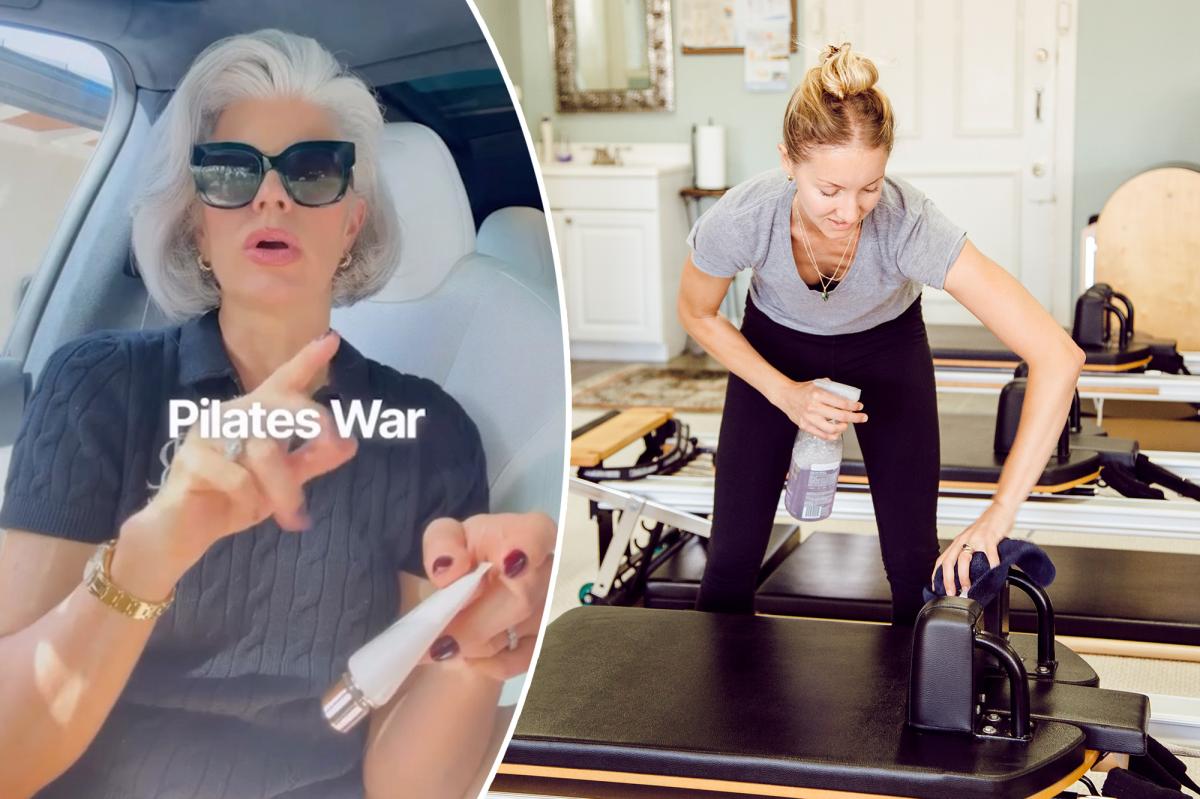
Beauty expert Nikol Johnson Sanchez recently brought attention to this issue through a widely shared social media video. In her clip, she criticizes the fitness industry’s expectation that members should handle post-class cleaning of shared equipment. “When did a luxury Pilates class become a self-service cleaning arrangement?” she questioned, highlighting concerns about cleanliness standards in high-end fitness classes.
Sanchez described her experience in boutique studios, noting the luxurious ambiance and high costs associated with elite fitness classes, only to be handed a small disinfectant wipe at the end. She compared this to high-end restaurants where patrons are not required to clear their own tables, questioning why fitness facilities place this burden on their clients.
The Professional Perspective
Industry leaders are acknowledging Sanchez’s points, with some agreeing that the trend undermines the overall boutique experience. Simon Ngo, Creative Director at Flow Athletic, expressed his concern, stating that the attention to detail seen in other aspects of the fitness experience should extend to cleaning procedures.
“It’s a letdown when the cleaning process feels neglected, especially in luxe environments,” he remarked. Ngo acknowledged that while patrons should practice good etiquette and tidy up after themselves, studios must also invest adequately in cleaning supplies. He advocates for multiple wipes for clients to ensure thorough disinfection.
Health Risks of Inadequate Cleaning
Concerns regarding hygiene in fitness settings extend beyond customer experience; they also pose genuine health threats. Dr. Shreya Andric, a principal dermatologist, has emphasized that gym equipment is often poorly sanitized, creating ideal conditions for the spread of various infections. High-touch surfaces can harbor bacteria and viruses that may lead to conditions such as folliculitis, staph infections, and ringworm.

Dr. Andric insists that cleaning procedures should not rely on the assumption that every client adequately wipes down equipment. Regular and thorough cleaning throughout the day is essential in maintaining a hygienic environment for all users.
Conclusion
The ongoing discourse on cleaning responsibilities in fitness studios highlights a critical gap in the service expectations set by boutique fitness brands. While client involvement in maintaining hygiene is a part of the fitness culture, it should not replace the essential cleaning standards that only the facility can ensure. As the fitness industry continues to evolve, striking the right balance between client responsibility and professional cleaning services remains vital for both health and customer satisfaction.
