


North Carolina House Democrats Prepare for Legislative Action
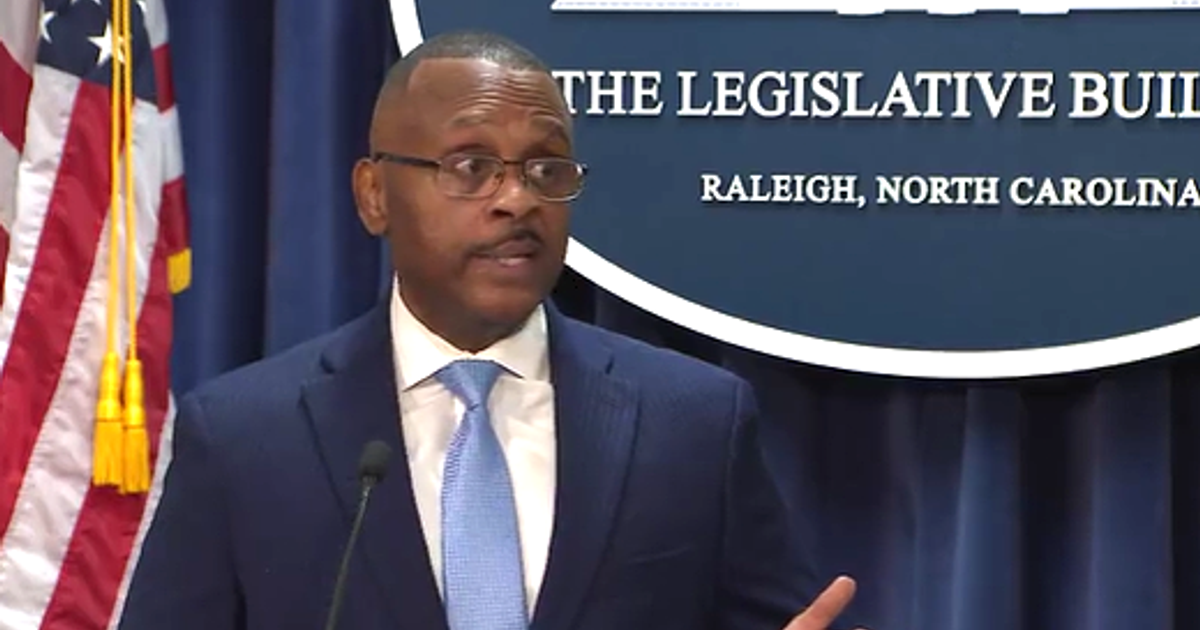
Following a significant shift in power during the recent elections, North Carolina’s Democrats are gearing up to collaborate with Republicans to address pressing issues and reduce living costs for residents, as stated by House Speaker-elect Robert Reives.
Election Outcomes and Democratic Momentum
In the November 3 elections, Democrats secured at least 66 out of 120 House seats, marking a historic gain of control for the first time in 15 years. This shift followed a prolonged period where Republicans held sway in both legislative chambers, pushing through a variety of initiatives ranging from tax reductions to changes in healthcare and education policies.
As preliminary results continue to unfold, with some races still undecided, Reives asserted that the election reflects a strong desire among voters for change. “Voters want action, not gridlock,” he emphasized, noting the necessity for bipartisan cooperation moving forward.
Policy Priorities Under Discussion
With a commanding Democratic majority, the party aims to focus on several key priorities:
- Affordability Issues: Both Reives and Governor Josh Stein highlighted the need to tackle rising costs related to housing, healthcare, and energy.
- Education Reforms: Enhancing educational accessibility and resources stands as another top priority.
- Medical Marijuana Legislation: Reives mentioned potential discussions around medical marijuana legalization, an issue gaining traction among voters.
- Private School Voucher Reevaluation: An intent to review the existing Opportunity Scholarship program, which provides financial assistance for private schooling, has been noted. Reives criticized its continued functionality, especially concerning the limited funding for public education.
Potential Challenges Ahead
The path ahead is not without obstacles. The leadership of the state Senate remains uncertain, especially with recent Democratic gains that have led to a closely contested Senate race. If the Democrats secure a tie, they will gain leverage in legislative discussions. However, if Republicans maintain control, they will likely set the legislative agenda.
Current Senate Republican leader Phil Berger lost his primary, creating further uncertainty in leadership dynamics, as several candidates have expressed interest in the role.
Looking Towards Collaboration
Reives expressed optimism about bipartisan efforts on the state budget, which requires consensus every two years. While previous years have seen conflicts over financial planning, the recent electoral shift may motivate Republican lawmakers to engage in cooperative dialogue.
“They can have the approach of ‘we’ll take this all back in 2028,’ or they can choose to implement real reforms now,” Reives stated, urging for meaningful collaboration.
Community Autonomy and Data Centers
Reives also touched on local governance, particularly regarding data center developments. He advocated for municipal authority to make determinations about such constructions, reflecting a broader desire for local governance and acknowledging public concerns over the environmental and infrastructural impacts of these facilities.
Conclusion
With major changes on the horizon, North Carolina legislators face the task of navigating shifting political landscapes while addressing pressing issues of affordability, education, and community governance. As the Democrats settle into their new roles, the focus will undoubtedly remain on achieving effective policies that resonate with the populace.
