


Investors Brace for Data-Center Challenges After Midterm Elections
The financial markets experienced significant turbulence on Thursday, with the Nasdaq Composite Index dropping 5.1%, officially entering correction territory. This downturn was primarily driven by investor apprehension regarding the potential slowdown in data-center projects following the Democratic Party’s sweep in the midterm elections.
As the political landscape shifts, industry leaders are concerned that new legislative priorities could impede growth and revenue generation for prominent AI laboratories.
Market Reactions
The Dow Jones Industrial Average faced a notable decline, shedding 1,097 points (2.1%), following an impressive rally to its highest point in 18 months a day earlier. Similarly, the S&P 500 index fell by 3.2%, reflecting broader market concerns as the Nasdaq saw more than a 10% loss from its recent October highs.
Several firms focused on cloud computing and AI infrastructure, termed “neocloud” companies, were significantly impacted. For example, CoreWeave and Nebius saw declines of 14.6% and 18%, respectively. Additional losses were reported by data center operators such as Iren and Applied Digital, which fell by 20% and 19.7%, respectively. Equipment manufacturer GE Vernova also declined by 9.2%.
Shifting Landscape for Data Centers
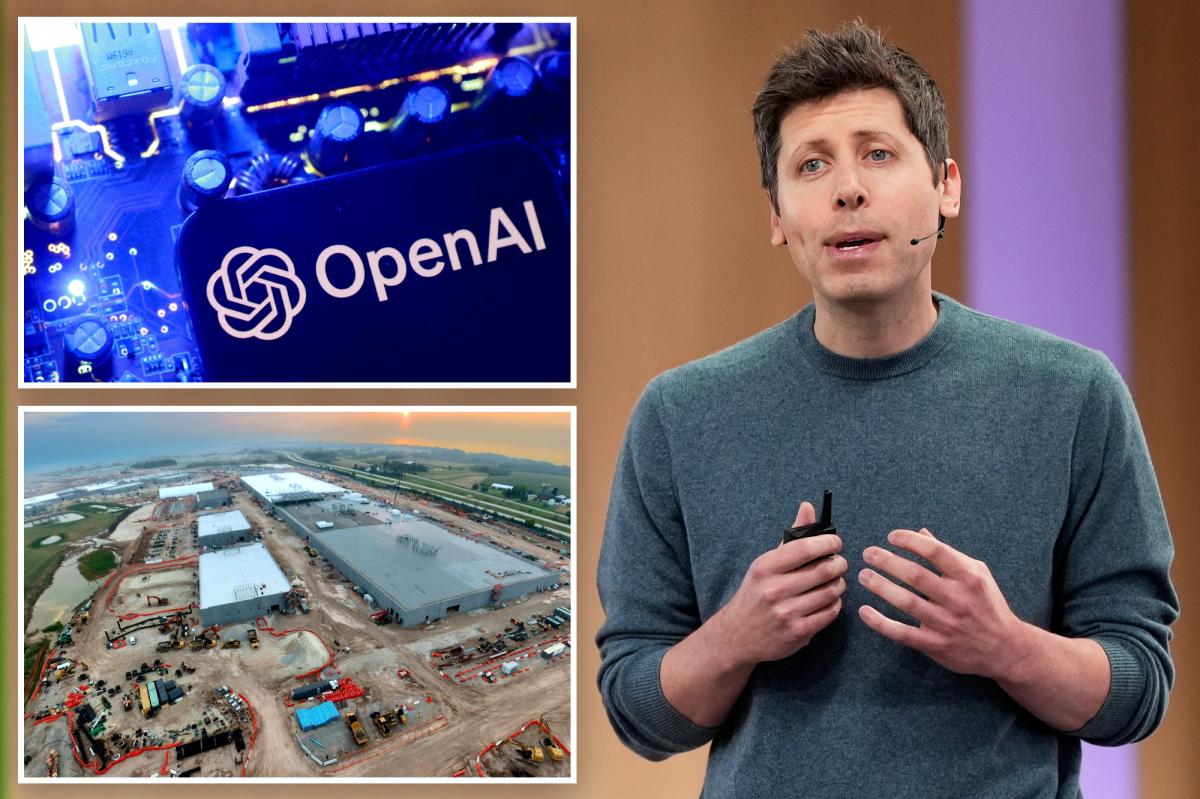
OpenAI is navigating this challenging environment by actively engaging with local communities and seeking to mitigate concerns related to power consumption related to data centers. Meta’s president, Dina Powell McCormick, acknowledged that the construction of new data centers would face significantly more scrutiny moving forward.
During the recent elections, voters expressed widespread opposition to data center constructions, as evidenced by 50 referendums, of which at least 46 resulted in a rejection of new projects. McCormick noted that data centers were a central topic in exit polls and their geographical concentration will likely shift as a consequence.
OpenAI’s Approach
In response to growing opposition, OpenAI unveiled its “National Community Compact,” aimed at establishing a more rigorous framework for data-center construction. This compact includes a pledge to reduce power consumption during peak periods, to provide transparency regarding operational impacts, and to ensure that local communities do not face increased electricity costs due to these developments.
The company committed to publicly sharing construction plans, minimizing the use of non-disclosure agreements, and setting employment goals for local residents. This initiative seems strategically timed, as OpenAI had anticipated a favorable outcome in the elections and had been formulating this approach in advance.
Economic Implications
Analysts predict a slowdown in the growth rate for data centers through 2028, particularly as new construction may pause in key regions such as Texas, where a significant portion of planned capacity exists. Dan Ives, an analyst at Yorkville Ives & Co, indicated that heightened scrutiny could affect around 30% of the expected capacity for data centers by 2028. Furthermore, Powell McCormick mentioned that some AI hyperscalers are considering establishing operations outside of the United States due to the political climate surrounding data center development.
Meta is actively seeking to negotiate with incoming state leaders who have campaigned with a focus on data center development, highlighting the economic benefits these projects can bring in terms of job creation and local revenue. For instance, following the recent election results, one newly elected governor indicated a willingness to engage with tech companies to retain investments in their region.
