


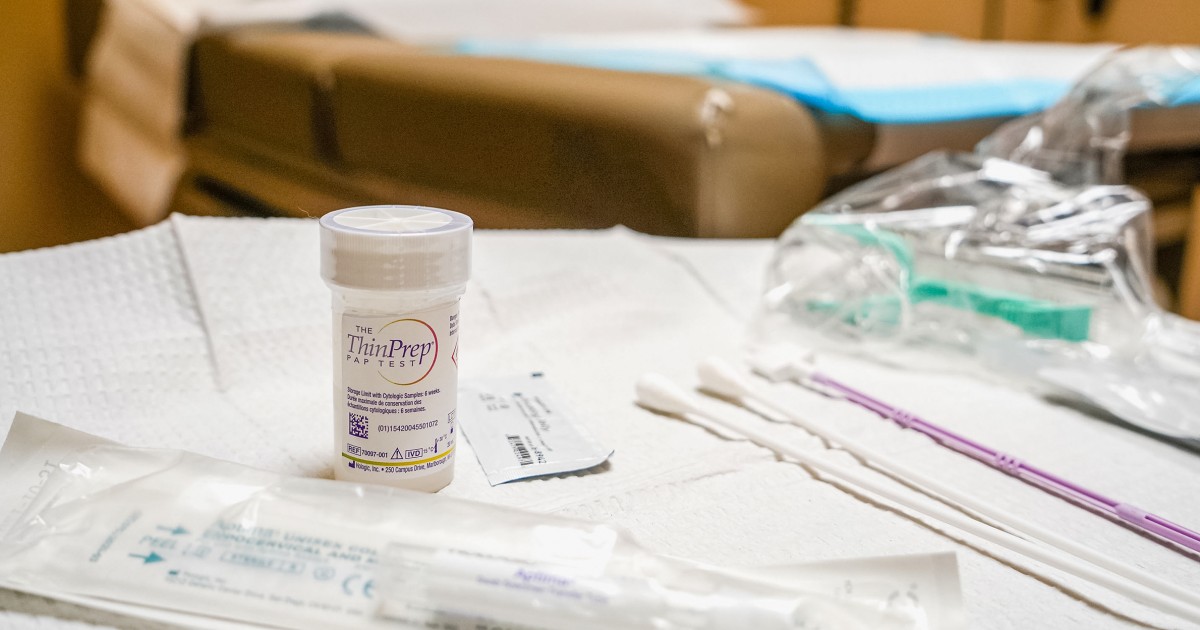
Shifting Guidelines for Cervical Cancer Screening: The Rise of HPV Testing
In a significant change to cervical cancer screening protocols, federal guidelines are leaning towards recommending HPV testing for women aged 30 to 65 over the traditional Pap smear. This represents a notable shift in how millions of women may be screened for cervical cancer in the future.
Understanding Cervical Cancer Screening
Cervical cancer is largely preventable, yet recent studies indicate a decline in the effectiveness of early detection efforts in the United States. Human papillomavirus (HPV), a highly prevalent sexually transmitted infection, is linked to nearly all cases of cervical cancer.
Recent Recommendations and Their Implications
The U.S. Preventive Services Task Force (USPSTF) recently convened for discussions that resulted in a recommendation shift whereby women in the specified age group may find themselves opting for HPV tests, including self-administered options. This change could have far-reaching impacts on cervical cancer screening practices.
Details of the Proposed Recommendations
- Previously, women aged 30 to 65 could choose between a Pap test every three years, an HPV test every five years, or both every five years.
- The task force continues to advise women aged 21 to 29 to undergo a Pap test every three years.
The Role of Self-Administered HPV Testing
Dr. Sangini Sheth, an associate professor at Yale School of Medicine, noted that self-collection methods could enhance access to screening, particularly for those who may find traditional speculum exams uncomfortable. Such innovations could facilitate screening in diverse healthcare settings, such as mobile clinics or labs without invasive exam environments.
Accuracy and Comfort with HPV Testing
Robert Smith, a cancer epidemiologist at the American Cancer Society, emphasized that self-collected specimens are comparably accurate to those collected by a physician. Research, such as a 2018 study published in the Journal of the American Medical Association, indicates that HPV testing can detect precancerous changes more effectively than Pap tests.
Modern Screening Practices
Traditionally, the Pap test has been the mainstay for detecting abnormal or precancerous cells on the cervix. However, HPV tests focus on identifying high-risk strains of the virus that may pose a greater risk for developing cervical cancer, allowing for extended intervals between screenings.
Emphasizing the Importance of HPV Testing
Dr. Sheth pointed out the value of HPV testing, asserting that Pap tests alone miss a significant number of abnormalities, catching only approximately 50% to 70% of them. Thus, reliance solely on Pap testing may leave women vulnerable to undiagnosed HPV-related issues.
Future Directions and Final Recommendations
While the task force’s recommendations are typically formalized upon publication, the timeline for this decision remains unclear, particularly in light of the recent Supreme Court ruling that gives the Health Secretary the authority to review these recommendations. The current task force comprises new members, some of whom have financial ties to pharmaceutical companies.
Comparative Screening Guidelines
It is noteworthy that the American Cancer Society has been advocating for HPV testing since 2020, starting screening at 25 years of age. In contrast, the USPSTF retains the age of 21 for initial Pap testing, transitioning to HPV testing only after age 30. Additionally, the society recommends more frequent testing for self-collected samples due to the need for more comprehensive data.
Concluding Thoughts
A spokesperson for the American College of Obstetricians and Gynecologists stated that they are observing the USPSTF process closely and will review the final recommendations once made available. The evolving landscape of cervical cancer screening underscores the critical need to adapt practices that enhance women’s health and access to preventative care.
