


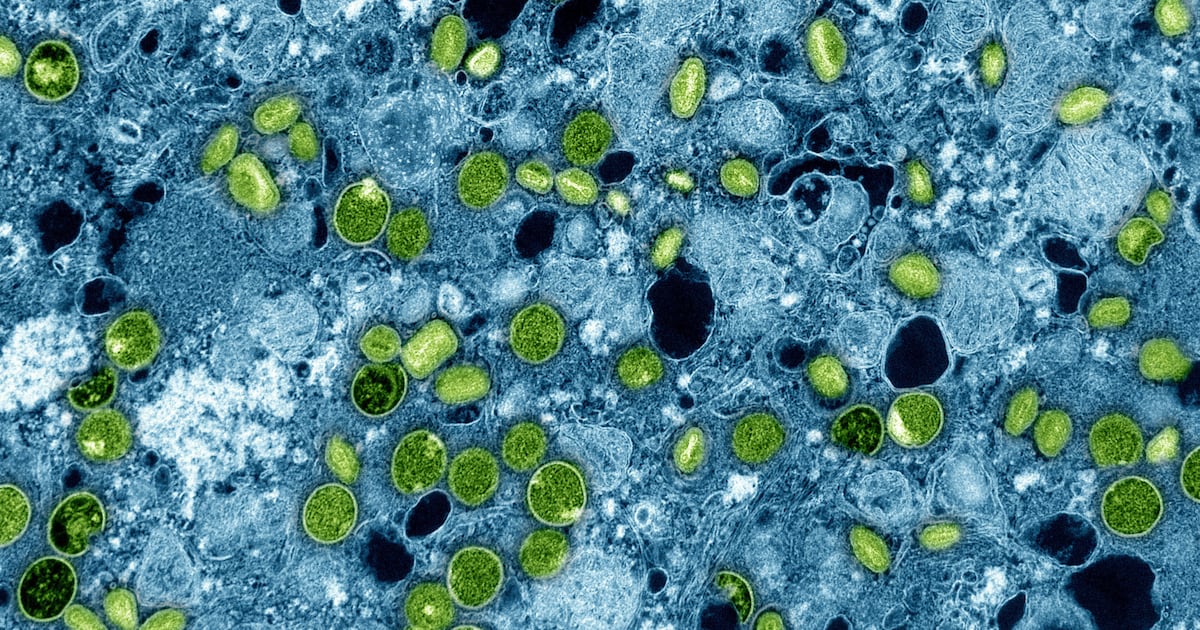
Resurgence of Mpox and New Borealpox Cases in Alaska
A recent outbreak in Alaska, particularly in Anchorage, has led health officials to report an increase in cases of mpox, formerly known as monkeypox. Four new infections have emerged, marking the highest annual cases in the state since 2022.
Details of the Outbreak
According to state epidemiologist Dr. Joe McLaughlin, there have been four confirmed cases in Anchorage. Notably, none of the infected individuals reported any recent travel outside of Alaska, which differs from previous cases that were linked to out-of-state travel. The new cases indicate a potential local transmission of the virus.
Three of the cases surfaced in October and were communicated through a public alert by the state’s Department of Health. The fourth case was reported later that month.
Symptoms and Recovery
Mpox symptoms can take between three to 17 days to manifest after infection. Initial symptoms resemble those of the flu, including:
- Fever
- Chills
- Fatigue
- Headaches
- Sore muscles
- Swollen lymph nodes
Following the flu-like phase, lesions appear, which can be firm and may be tender to the touch. It generally takes two to four weeks for these lesions to heal, during which time individuals remain infectious.
National Context
The rise in mpox cases in Anchorage reflects a broader trend seen across the United States. After a period of decreased incidence following the 2022-23 outbreak, the CDC has documented a resurgence in infections since March of this year. The present strain identified is genetically distinct from that which caused the previous global outbreak.
Vaccination Efforts
To combat the spread of mpox, health officials in Alaska are urging high-risk individuals to get vaccinated with the JYNNEOS vaccine, which is effective against both mpox strains as well as smallpox. Since its FDA approval in 2019, a total of 851 residents have received the initial dose, with 604 completing the two-dose regimen.
The vaccine is recommended for:
- Men who have sex with men
- Individuals exposed to suspected mpox cases
- Travelers to regions experiencing mpox outbreaks
- Healthcare workers with a risk of exposure
If exposed to mpox, receiving the vaccine within four days is ideal; however, it can still be effective if administered up to 14 days post-exposure.

Borealpox: A Rare Concern
In addition to mpox, two cases of borealpox, a less common viral disease, have also been reported in Alaska this year. This brings the total number of known borealpox cases to nine globally. While previous cases have been mild, a recent death linked to a different strain of the virus has raised concerns.
Borealpox is characterized by skin lesions and flu-like symptoms. It is primarily found in small mammals, such as the red-backed voles prevalent in Alaska. Currently, there is no vaccine available for borealpox, although researchers are exploring potential vaccine options and treatments.
The Alaska Department of Health continues to monitor both viral diseases closely as it works to ensure public health safety through awareness and vaccination campaigns.
